 Whalesbook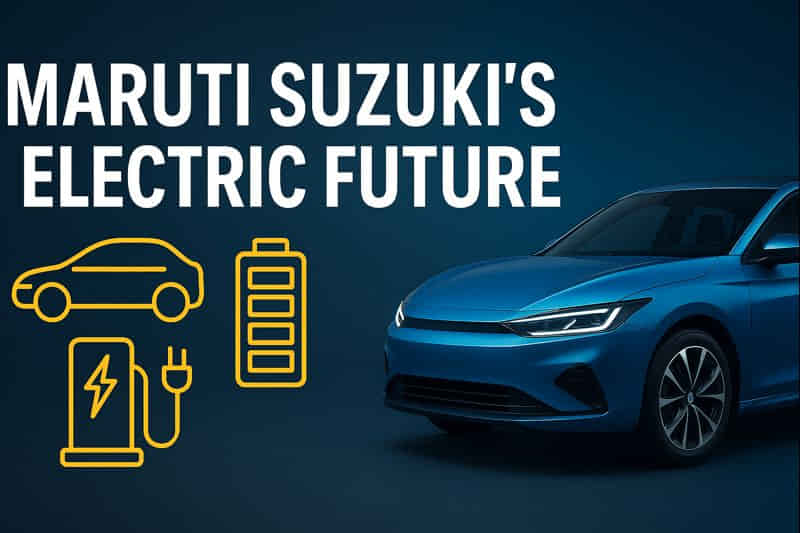
Maruti Suzuki Accelerates Electric Vehicle Ambitions
Maruti Suzuki India is embarking on a significant strategic pivot towards electric vehicles, with ambitious plans to localize the production of batteries and other crucial components. This move is central to its strategy to bolster the entire electric vehicle (EV) ecosystem within India over the coming years.
The company is gearing up to introduce its first electric model, the e-VITARA, into the domestic market next year. This launch is part of a broader effort to instill greater confidence in potential buyers, a critical step as Maruti Suzuki aims to solidify its position in the burgeoning EV segment.
The Core Issue
Partho Banerjee, Senior Executive Officer (Marketing & Sales) at Maruti Suzuki India, highlighted the primary challenge: consumer confidence. He noted that current perceptions of EVs are often marred by negativity surrounding driving range, stemming from earlier product experiences. This leads many consumers to view EVs as secondary vehicles rather than primary household transport.
"The customer is not confident (about EVs)," Banerjee stated. "The initial products that were launched, and the experiences from those, has created a huge amount of negativity in the minds of people regarding the driving range." He elaborated that the lack of widespread public charging infrastructure further deters buyers from choosing an EV as their first car.
Financial Implications
The localization strategy involves substantial investment in manufacturing capabilities and supply chains within India. This not only aims to reduce import dependency but also potentially lower production costs for EVs over time. The development and launch of multiple EV models, alongside the expansion of service and charging infrastructure, represent a significant capital outlay.
Future Outlook
Maruti Suzuki has set a target to introduce five electric models into its product portfolio by the fiscal year 2030. Banerjee projects that the overall Indian EV market could reach 5.5 to 6 million units by then, with EV penetration hitting 13-15 percent, though this forecast is subject to reassessment following recent tax policy changes.
To counter adoption hurdles, Maruti Suzuki is enhancing its customer outreach. The automaker plans to establish 1,500 EV-enabled workshops across 1,100 cities nationwide and has already deployed 2,000 charging points. Furthermore, initiatives like an assured buyback scheme and subscription models are being introduced to mitigate concerns about resale value.
Market Reaction
While direct market reaction is not detailed, the proactive strategy by Maruti Suzuki signals a strong intent to capture market share in the EV space. Investors will be watching the execution of these plans and their impact on the company's financial performance and competitive standing.
Official Statements and Responses
Maruti Suzuki's leadership has been vocal about the challenges. "We are trying to instill confidence in the customers before they acquire an EV. If the buyer is not confident about the entire ecosystem he will not buy an EV," Banerjee emphasized. He stressed the need for original equipment manufacturers (OEMs) to focus on product quality, after-sales service, and building a robust ecosystem to foster customer trust.
Impact
This strategic push by Maruti Suzuki is poised to significantly influence the Indian EV market. By addressing key consumer pain points and investing in local manufacturing, the company aims to accelerate EV adoption. Success in this transition could lead to increased market share for Maruti Suzuki and drive competition, potentially benefiting consumers with more choices and better infrastructure. The company has already begun exports of the e-VITARA, shipping 10,000 units to 26 markets, indicating a global readiness.
Impact Rating: 7/10
Difficult Terms Explained
EV (Electric Vehicle): A vehicle that is powered entirely or primarily by electricity.
Localization: The process of manufacturing components or products within a specific country rather than importing them.
ICE (Internal Combustion Engine): A type of engine that burns fuel to produce power, commonly found in traditional gasoline or diesel vehicles.
GST 2.0: Refers to potential future changes or reforms in India's Goods and Services Tax system.
OEM (Original Equipment Manufacturer): A company that manufactures parts or products that are then sold by another company under its brand name.
Assured Buyback Scheme: A program where the manufacturer guarantees to buy back a product from the customer at a predetermined price within a specified period.
Subscription Scheme: A model where customers pay a regular fee to use a product or service, rather than purchasing it outright.
e-VITARA: The name of Maruti Suzuki's upcoming electric vehicle model.