

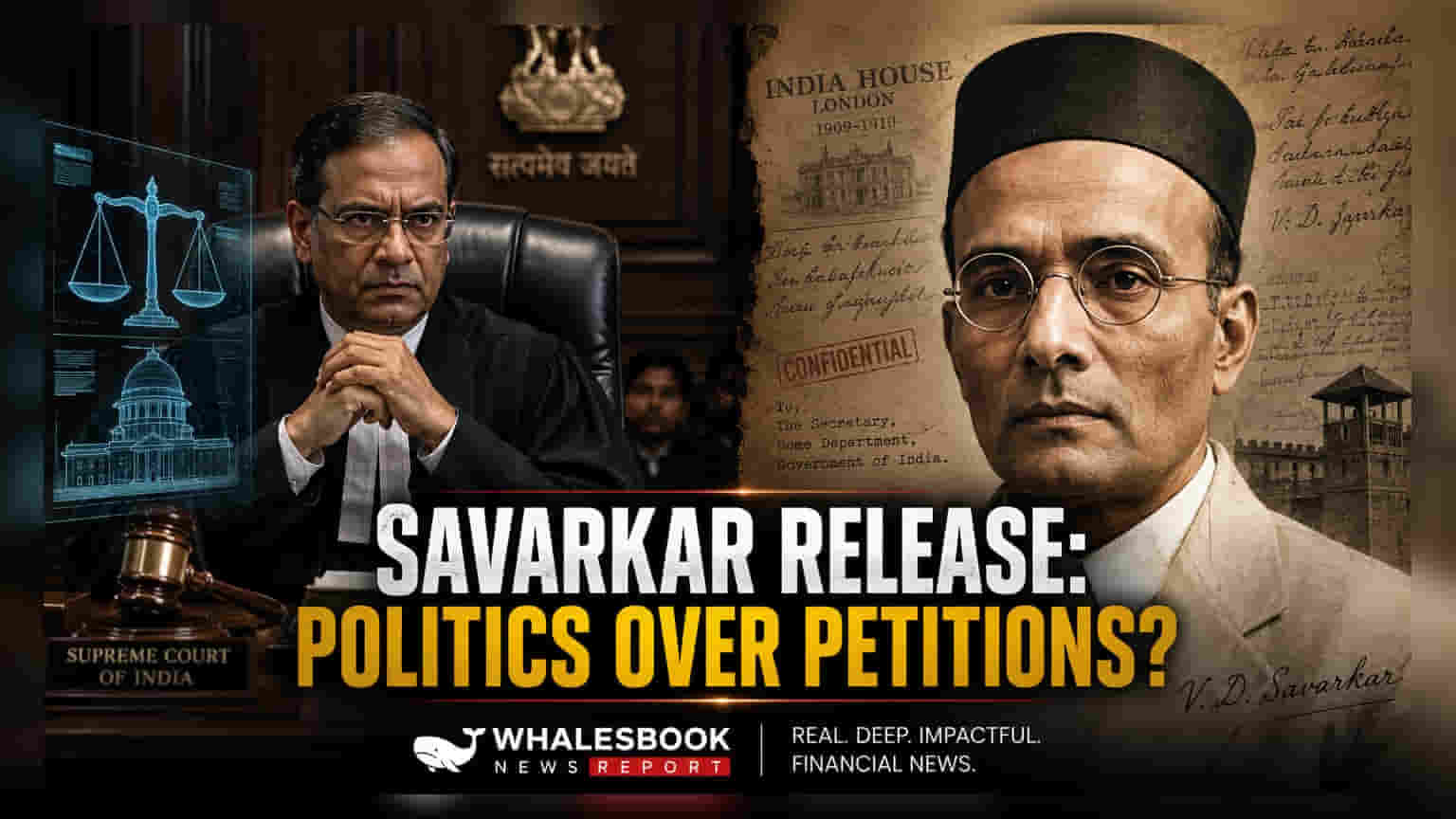
In a Pune court, Satyaki Savarkar testified that his ancestor Vinayak Damodar Savarkar’s release from prison resulted from political efforts rather than mercy petitions. The statement is part of an ongoing criminal defamation case filed by Satyaki Savarkar against Congress leader Rahul Gandhi. The legal proceedings are scheduled to resume on July 7.
What Happened
Satyaki Savarkar, the grandnephew of Vinayak Damodar Savarkar, appeared before a Pune court on Wednesday to provide testimony in a criminal defamation case he initiated against Congress leader Rahul Gandhi. During the deposition before judicial magistrate Amol Shinde, Satyaki Savarkar challenged the narrative that his ancestor's release from prison was due to mercy petitions submitted to the British colonial government.
He argued that political maneuvers, rather than requests for clemency, led to Savarkar's release. He specifically pointed to political pressure, including a resolution passed at the Kakinada Congress session in 1923, as key factors that contributed to the eventual freedom of the freedom fighter.
The Defamation Case Background
The court appearance is part of a legal dispute that originated following comments made by Rahul Gandhi during a speech in London in March 2023. Satyaki Savarkar filed the defamation complaint alleging that Gandhi distorted history and damaged his ancestor’s reputation by claiming that Savarkar and others found it "pleasurable" to assault a Muslim man. The complaint asserts that no such documentation exists in the published writings of Savarkar. Through this lawsuit, the complainant is seeking a conviction and damages against the political leader.
Testimony And Cross-Examination
During his testimony, Satyaki Savarkar highlighted the timeline of his ancestor's incarceration, noting that Vinayak Savarkar spent 12 years in the Andaman cellular jail beginning in 1911, followed by a transfer to mainland prisons and subsequent internment until 1937. He suggested that public pressure and growing popularity played a role in his release, drawing a parallel to the political intervention that had also been sought for Bhagat Singh.
When questioned about specific historical documents, such as a petition dated November 14, 1913, Satyaki Savarkar stated he could not confirm if his ancestor had expressed a willingness to forgo political activity in exchange for release. The legal process is currently in the stage of cross-examination. Rahul Gandhi’s legal representative, Advocate Milind Pawar, is conducting the questioning.
What To Watch Next
The legal proceedings are expected to continue as the court evaluates the arguments from both sides. The next hearing in the case is scheduled for July 7, at which point the cross-examination of Satyaki Savarkar by the defense is expected to resume. Observers of this case will be monitoring the upcoming sessions for further developments in the testimony and the progression of the legal arguments regarding the historical claims being disputed by both parties.