

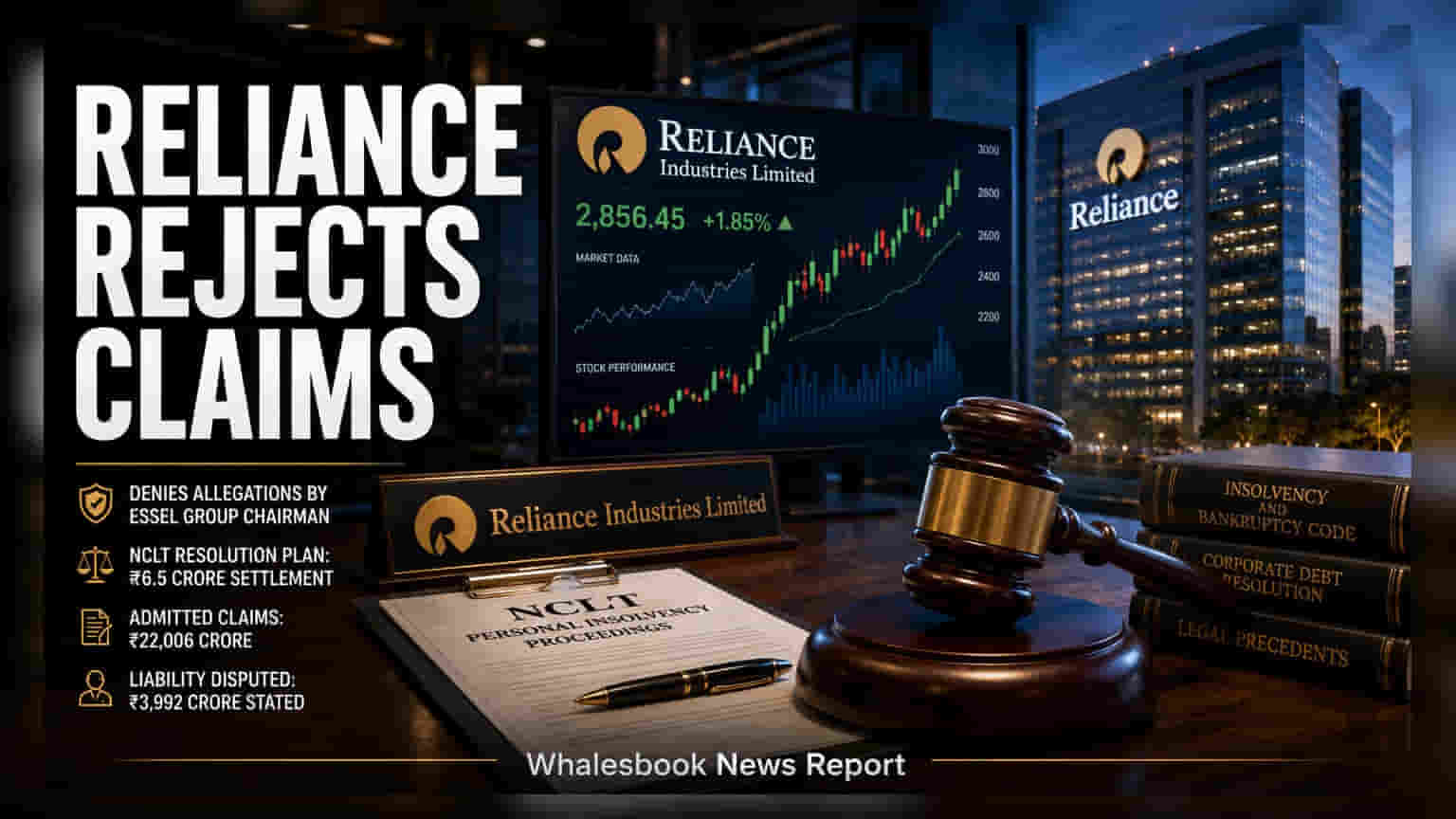
Reliance Industries has formally denied claims made by Essel Group Chairman Subhash Chandra regarding its media properties, calling them baseless. This follows ongoing personal insolvency proceedings at the NCLT, where a third-member ruling recently approved a resolution plan amidst creditor opposition.
Reliance Industries Limited has formally denied allegations made by Essel Group Chairman Subhash Chandra concerning the conduct of its media properties. In a regulatory filing submitted to the BSE and NSE on Friday, August 28, 2026, the conglomerate addressed public statements from the Essel Group Chairman, describing the accusations as baseless. The company reiterated that its media assets have not been used to target any individuals and maintained its commitment to professional standards.
The friction between the two groups occurs against the backdrop of long-standing personal insolvency proceedings involving Subhash Chandra at the National Company Law Tribunal. Earlier this week, a third member of the tribunal bench provided a decisive vote in support of a resolution plan, which proposes a settlement payment of ₹6.5 crore to address creditor claims. This ruling emerged to resolve a previous split verdict within the tribunal, although the resolution plan continues to face significant opposition from creditors, including LIC Housing Finance.
The central issue in these legal proceedings is the valuation of liabilities. Dissenting creditors have pointed to admitted claims against Chandra totaling approximately ₹22,006 crore. However, Subhash Chandra has contested this figure, stating that his personal liability as a guarantor is significantly lower, at roughly ₹3,992 crore. Furthermore, the Essel Group Chairman has maintained that the borrowing entities linked to these personal guarantees have already repaid around ₹43,000 crore to lenders over time.
For investors and market stakeholders, the ongoing insolvency case is important because it highlights the complexities involved in personal guarantor liability and corporate debt restructuring. While the Reliance statement serves to clarify the company's position and protect its reputation regarding its media business, the NCLT case represents a significant legal process that could influence how personal insolvency matters are resolved in the Indian corporate sector.
The matter is now set to return to the original division bench of the NCLT. Under established legal procedures, the bench is expected to issue a formal order that aligns with the majority opinion formed by the third-member intervention. Investors and observers will continue to track the final NCLT order, as well as any further legal challenges that dissenting creditors may file against the approved settlement plan, as these could affect the pace and final outcome of the debt resolution process.