

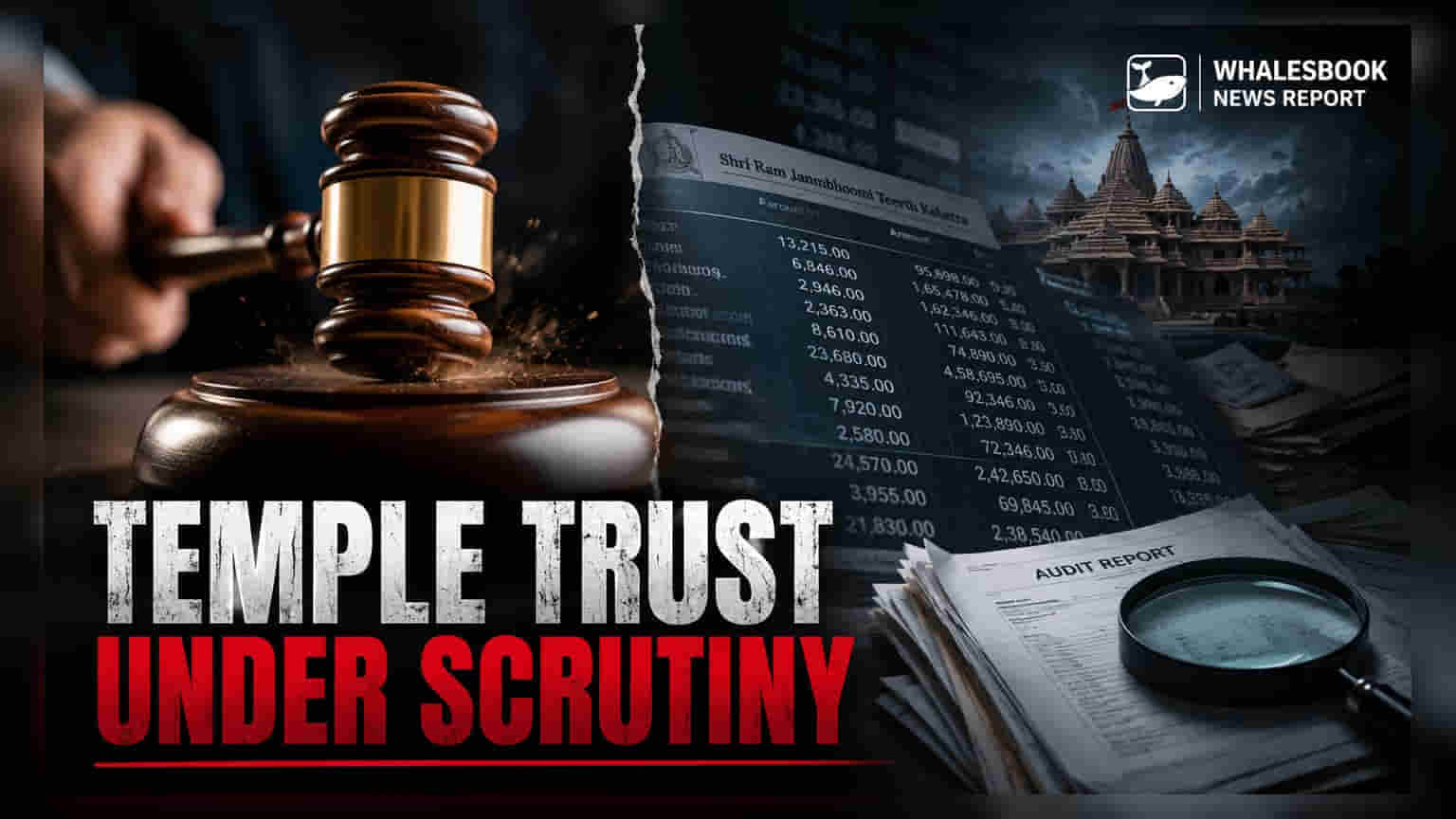
An RJD MP has filed a PIL in the Supreme Court demanding a CBI investigation into the financial dealings of the Shri Ram Janmabhoomi Teerth Kshetra Trust. The petition seeks greater transparency regarding donations and management of temple funds, including a request to preserve all financial records and limit major administrative decisions during the probe.
What Happened
Rashtriya Janata Dal (RJD) Member of Parliament Sudhakar Singh has filed a public interest litigation (PIL) in the Supreme Court, calling for an independent Central Bureau of Investigation (CBI) probe into the financial affairs of the Shri Ram Janmabhoomi Teerth Kshetra Trust. The petitioner has raised concerns regarding the management of donations received for the construction of the Ram Mandir in Ayodhya. The plea aims to ensure financial transparency and accountability, specifically requesting that the court oversee the process to prevent any potential misuse of funds or tampering with records.
Demands for Financial Oversight
The petition requests the establishment of a court-monitored committee consisting of retired judicial officers and financial experts to oversee the Trust's administration while the investigation is underway. A key part of the plea is the demand to preserve all physical and electronic financial records, such as bank statements, UPI transaction logs, and server data. Furthermore, the petition asks the court to direct the Trust to regularly publish audited financial reports and details regarding fund utilization on its official website, while maintaining the privacy of individual donors.
Request to Restrain Administrative Decisions
To maintain the status quo during the potential investigation, the petitioner has asked the Supreme Court to restrain the Trust from making significant financial or administrative decisions. This includes limiting the award of large contracts, major fund utilization, and substantial investments until the legal process reaches a conclusion. The plea emphasizes that these measures are intended to ensure oversight rather than interfere with religious rituals or daily temple operations.
Context of Previous Legal Efforts
This development follows earlier attempts by advocates Ajay Kumar Rai and Dinesh Kumar Yadav, who previously moved the Supreme Court seeking an urgent CBI inquiry into alleged financial irregularities involving the Trust. In that instance, the court bench declined an urgent listing, advising the petitioners to follow standard procedural filings through the court registry. The current petition by Sudhakar Singh reinforces the ongoing legal focus on the institutional independence of investigations into the Trust's finances, suggesting that existing mechanisms may require more specialized forensic scrutiny.
What to Monitor Next
Investors and observers should track the Supreme Court's response to this petition, particularly whether the court decides to issue a notice to the Trust or list the matter for a formal hearing. The outcome of this legal challenge may influence the administrative and financial protocols the Trust adopts for transparency. Key monitorables include any directives from the court regarding the preservation of financial records or the appointment of an oversight committee, which would set a precedent for the governance of high-value religious and charitable trusts in India.