 Whalesbook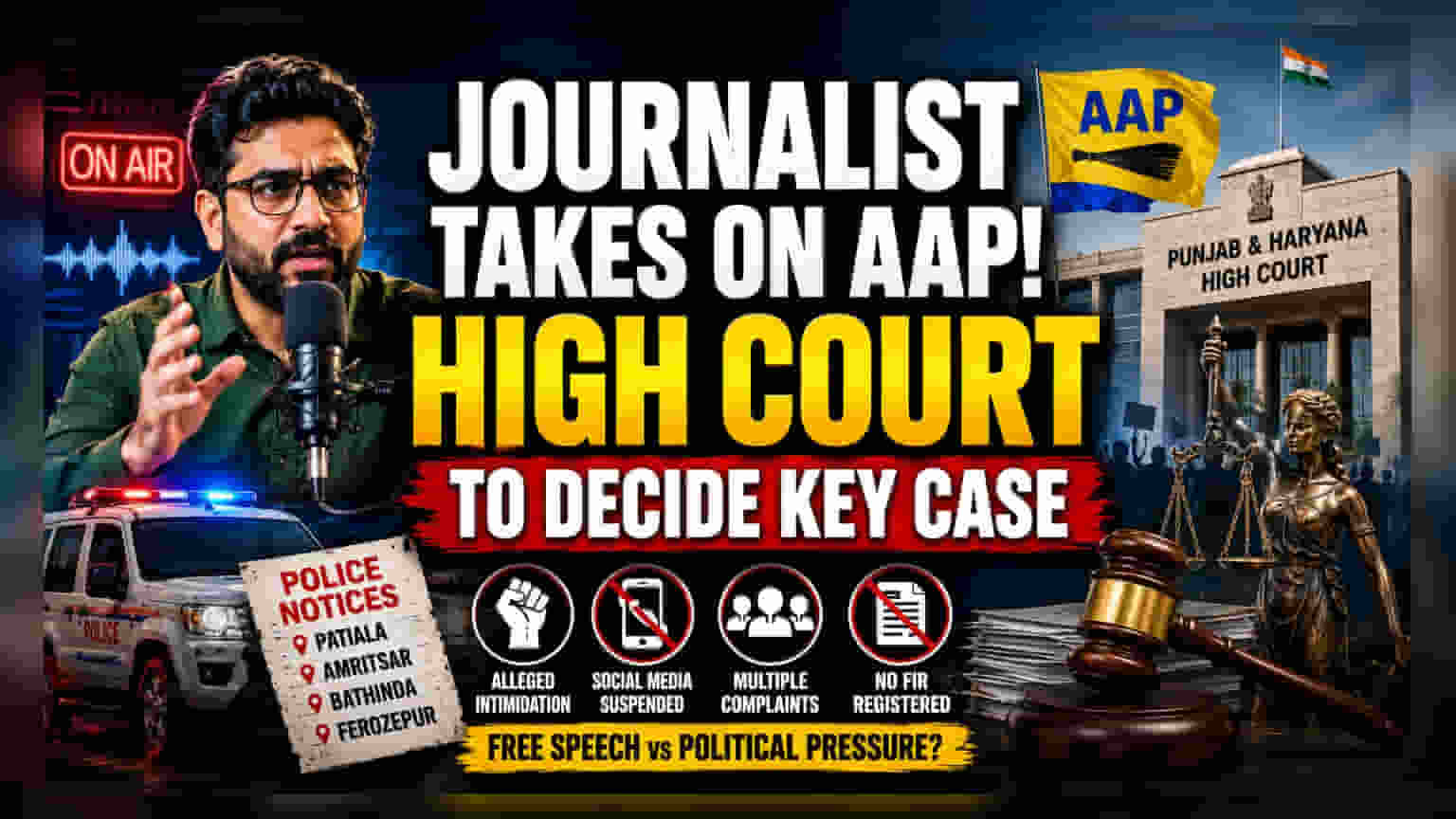


What Happened
Rattandeep Singh Dhaliwal, a journalist based in Bathinda, has moved the Punjab and Haryana High Court to quash police proceedings initiated against him. The legal action follows a series of complaints filed by various Aam Aadmi Party (AAP) legislators. The dispute arose after Dhaliwal published podcast content in which he speculated that approximately 32 sitting AAP MLAs might not be renominated for the upcoming Punjab assembly elections.
The Arguments Presented
In his petition, Dhaliwal alleges that the complaints lodged by multiple legislators represent a coordinated effort to intimidate him rather than a genuine pursuit of justice. He claims that instead of issuing a public clarification or denial regarding the podcast, the political party directed its members to file identical complaints across different districts. The journalist reports having received police notices from Patiala, Amritsar, Bathinda, and Ferozepur. He further alleges that his residence was raided by authorities and that his social media channels have been suspended, characterizing these actions as a form of vendetta.
Representing the journalist, Senior Advocate RS Bains argued that the police actions are excessive and intended to silence commentary. Conversely, the Punjab Advocate General, Maninderjit Singh Bedi, presented the state's position, noting that no First Information Reports (FIRs) have been registered at this stage. The Advocate General contended that the petition is premature and that the journalist is required to join the ongoing proceedings and address the concerns raised by the complainants. The state maintains that the journalist’s claims about candidate nominations were made without a verified basis or official record.
The Court's Role
Justice Rohit Kapoor is scheduled to hear the matter. As part of the review process, the court has indicated it will first examine the content of the podcast in question before issuing any formal orders. This step is critical in determining whether the journalist's content warrants the legal proceedings initiated by the MLAs or if the complaints constitute an overreach.
Why Legal Procedures Matter
For observers and the public, this case highlights the intersection of political discourse and the legal process. In such disputes, courts often play a balancing role, ensuring that the right to expression is protected while also verifying if the content published exceeds legal boundaries or spreads misinformation. The outcome of this hearing will likely clarify the extent to which police can initiate investigations based on complaints from public representatives regarding media content.
What Investors and Observers May Monitor
The key monitorable for the public is the court’s upcoming assessment of the podcast content. Further updates on whether the court decides to stay the police proceedings or requires the journalist to cooperate with the local police investigations will be significant. The final decision will serve as a precedent for how similar complaints involving political figures and media commentary are handled within the state.