 Whalesbook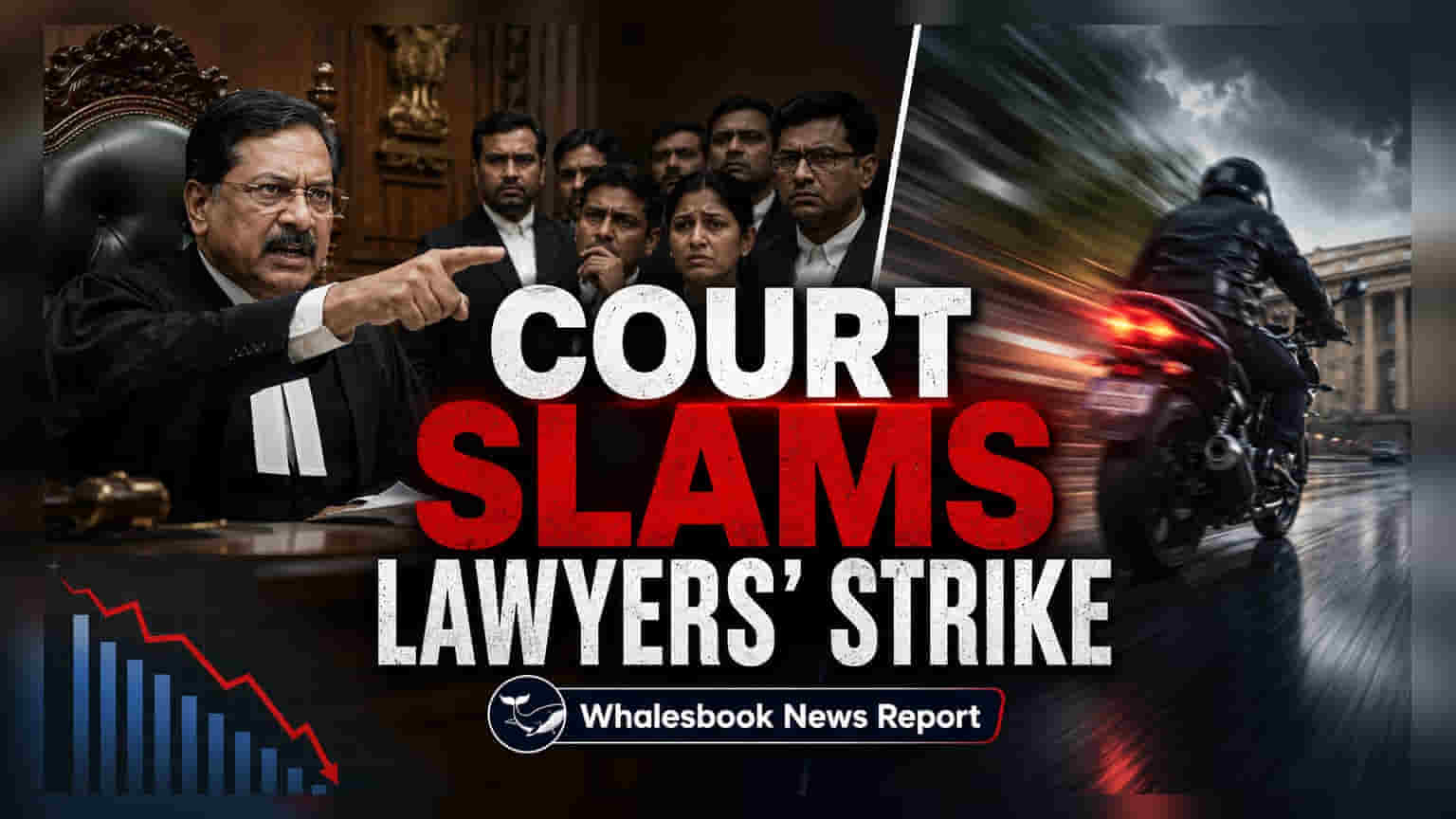


Court Questions Bar Association's Strike Strategy
The Punjab and Haryana High Court expressed strong disapproval of the High Court Bar Association's decision to halt judicial proceedings. This work stoppage followed an assassination attempt on advocate Gagandeep Jammu.
A division bench, led by Chief Justice Sheel Nagu, challenged the Bar Association's strategy, questioning its effectiveness in deterring criminal activity. The Chief Justice noted the significant inconvenience to litigants, many of whom travel long distances, and called the strike "the easiest way out."
Advocate's Distress and Security
Advocate Gagandeep Jammu appeared before the court, conveying his distress and feeling subject to blackmail over his safety. He stated he was not seeking court protection but was being questioned regarding the lawyers' actions. Jammu reported not having slept for two nights due to the escalating situation.
Previously, the court had ordered enhanced security for Jammu following a shooting incident where an unidentified assailant fired shots at him. Police have registered a case against the assailant under attempt to murder and the Arms Act.
Considering New Procedures for Lawyer Safety
In response to growing concerns for legal professionals' safety, the court indicated it is considering a Standard Operating Procedure (SOP) to address attacks on lawyers. Attacks on advocates have become a recurring issue, leading to similar strikes across Punjab and Haryana in the past.
The Supreme Court has also commented on the adverse impact of lawyer strikes, noting how they can affect thousands of cases and hold litigants "at ransom."
Alternatives to Disruptive Strikes
The court's criticism highlights a broader debate on the effectiveness and consequences of lawyer strikes. While strikes are a historical protest method for bar associations, they disrupt the justice delivery system and inconvenience the public.
Past strikes have been called for various reasons, including protests against legislative changes or perceived police misconduct. The judiciary consistently emphasizes the need for lawyers to explore alternative protest methods that do not unduly burden the public or impede court functions. Proposals for enhanced advocate protection, such as specialized legislation, are also being considered to address safety concerns within the legal fraternity.