

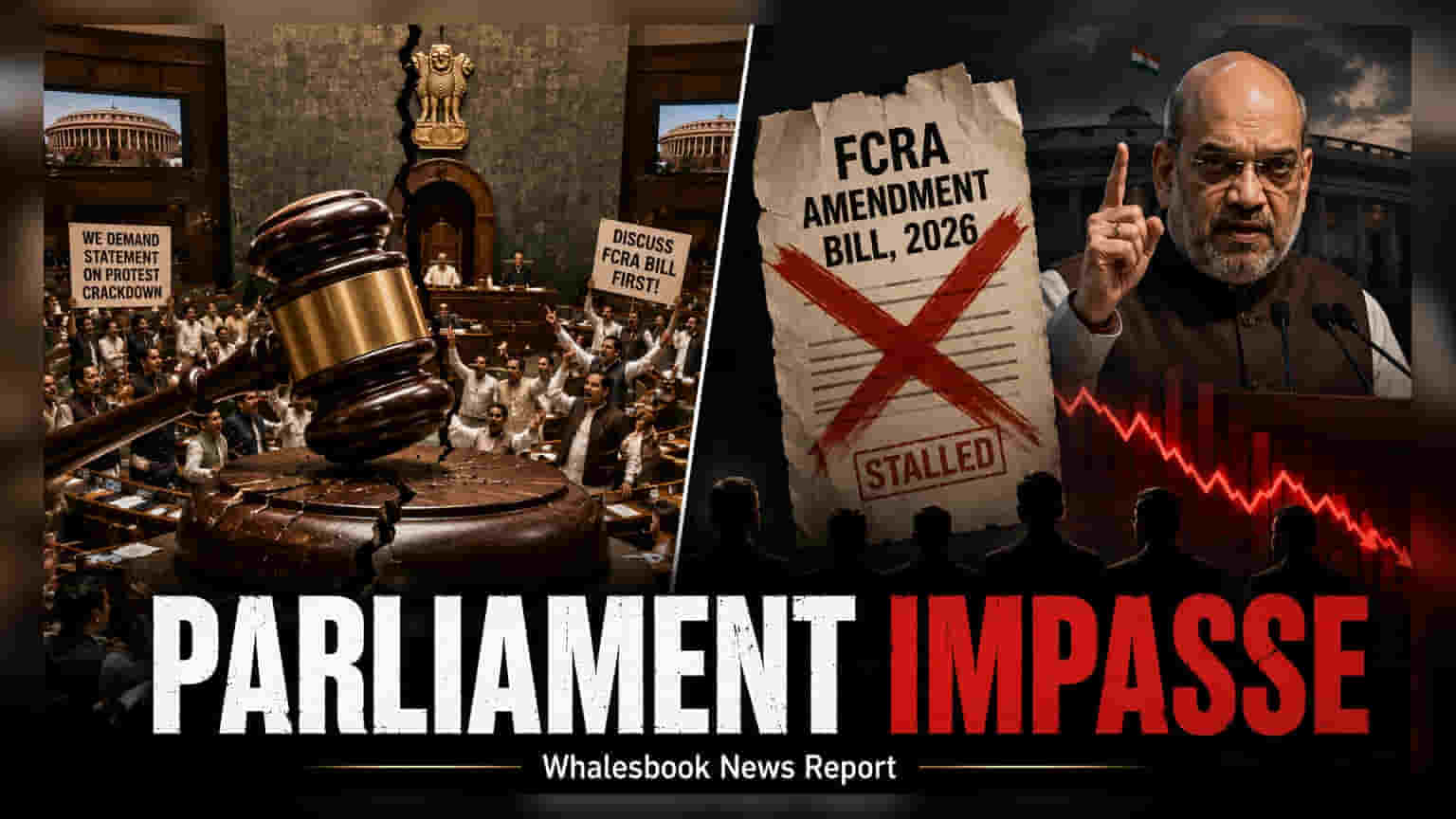
The Monsoon Session of Parliament, concluding around August 13, faces a stalemate over the FCRA Bill and opposition demands. Simultaneously, Indian markets brace for a planned retail trader boycott on August 12 protesting the new Closing Auction Session mechanism. Investors are monitoring these developments for signs of policy stability and potential short-term trading volatility.
The Monsoon Session of India’s Parliament is approaching its scheduled conclusion on August 13, 2026, amid persistent legislative gridlock. Parliamentary proceedings have been frequently disrupted, with the opposition demanding a formal statement from Home Minister Amit Shah regarding police action during recent student protests. This deadlock has significantly limited the time available for legislative debate on key economic and social policy reforms.
A primary point of contention in the current session is the Foreign Contribution (Regulation) Amendment Bill, 2026. The bill, which has raised concerns among various minority institutions and civil society organizations, remains stalled. Government sources have indicated that referring the bill to a Joint Parliamentary Committee is currently being considered as a way to address stakeholders' objections and break the legislative impasse. For investors, the ability of Parliament to function efficiently is often a key indicator of policy stability and the speed at which reforms are implemented.
While legislative proceedings continue to face interruptions, the market is also preparing for a separate development that could impact near-term trading activity. Retail traders have announced plans to boycott the stock market on August 12, 2026. This protest is directed at the newly introduced Closing Auction Session mechanism, which has faced pushback from some segments of the trading community. This potential for a retail trader boycott is being watched for any impact on liquidity or short-term trading volumes in the Indian markets.
These concurrent events present a complex environment for market participants. The legislative gridlock in Parliament raises questions about the government's ability to pass critical bills, while the retail protest highlights growing operational grievances within the market ecosystem. Investors and traders are currently navigating both the uncertainty of policy-making in New Delhi and the potential for temporary volatility in market participation. The most important updates to monitor in the coming days include any formal decision regarding the FCRA Bill’s referral to a committee and the actual participation levels in the stock market during the announced protest date.