

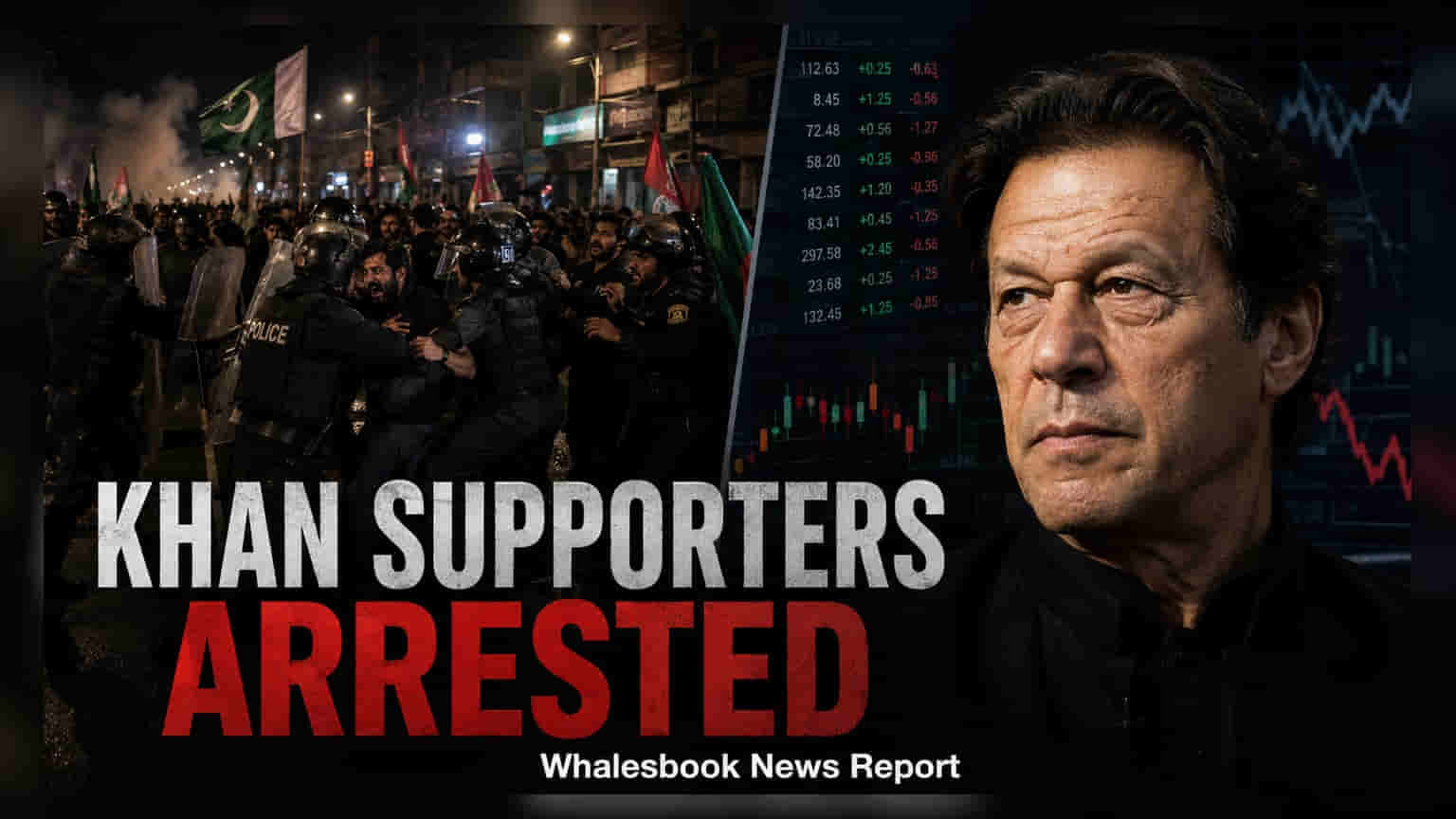
Nationwide demonstrations took place across Pakistan on August 5, 2026, marking the third anniversary of former Prime Minister Imran Khan's incarceration. Authorities reported mass arrests and clashes in major cities, including Karachi and Lahore. For Indian market observers, persistent political volatility in neighboring nations is a factor to track as it influences regional investor sentiment and economic stability.
On August 5, 2026, widespread protests erupted across Pakistan as supporters of the Pakistan Tehreek-e-Insaf (PTI) party marked the third anniversary of the incarceration of their founder and former Prime Minister, Imran Khan. Demonstrations were reported across multiple provinces, including Sindh, Punjab, and Khyber Pakhtunkhwa, despite authorities denying permission for public gatherings in several districts.
Police forces in major urban centers, including Karachi, Lahore, and Mianwali, utilized tear gas, baton charges, and mass arrests to disperse the crowds. Local reports indicate that numerous party leaders and workers were detained during the demonstrations, which also resulted in significant traffic disruptions and restricted movement in key commercial areas.
The political situation remains volatile, with ongoing tensions regarding Khan's detention conditions. Rights organizations, including Amnesty International, have raised concerns regarding his legal status, access to medical care, and the environment of his confinement. These developments underscore the broader political instability currently present in the region.
For investors, the relevance of these events lies in the assessment of geopolitical risk. While this political situation does not have a direct impact on Indian corporate earnings, persistent civil unrest in neighboring countries is monitored by the investment community for its potential to affect regional trade, economic sentiment, and supply chain stability. Prolonged instability often creates an uncertain business environment, leading to increased risk assessments for any activity involving cross-border interaction or regional exposure.
Investors typically monitor such developments to understand the overall climate of stability in South Asia, as domestic political shocks can sometimes influence currency markets and international credit perspectives within the region. The primary monitorable remains the duration of these protests and whether they escalate to further disrupt local economic activity or trade corridors.