 Whalesbook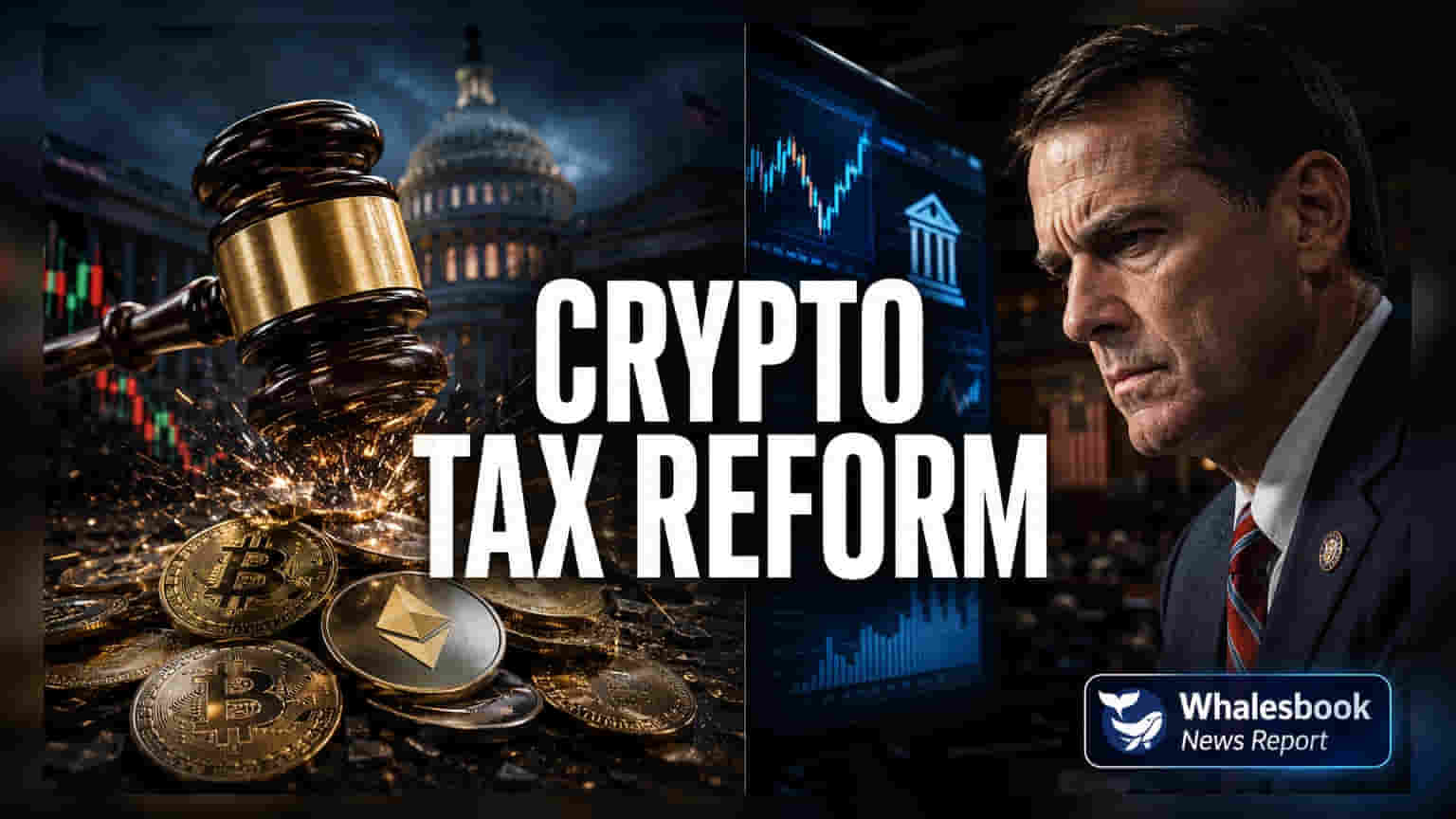


Lawmakers are renewing efforts to codify the tax treatment of digital assets, introducing a revised bill focused on clarity and simplification. This legislative push, spearheaded by a bipartisan group including Congressmen Steven Horsford and Max Miller, seeks to modernize the existing tax framework for cryptocurrencies.
Stablecoin Clarification and Trading Safe Harbors
A core component of the proposed legislation addresses "regulated payment stablecoins," which would generally avoid gain or loss recognition unless their cost basis falls below 99% of their redemption value. The bill also seeks to implement a safe harbor for individuals engaged in digital asset trading, whether through brokers or personal accounts. Furthermore, it clarifies the application of "wash sale" rules to cryptocurrency transactions and provides guidance on the taxation of digital assets received as validator rewards.
IRS Review of Small Transaction Taxation
The legislation specifically mandates the Internal Revenue Service (IRS) to conduct a thorough review of the tax implications for small cryptocurrency transactions. This directive includes an assessment of the volume of transactions under $200 currently subject to tax laws and an evaluation of the potential benefits and risks associated with implementing a de minimis exemption. The digital asset industry has long championed such exemptions to encourage the use of cryptocurrencies for everyday purchases.
Addressing Broader Tax Unresolved Questions
Advocates believe this bill represents a crucial first step toward comprehensive reform in cryptocurrency taxation. They contend that the current tax code has not kept pace with the rapid evolution of digital assets, leaving significant questions unanswered regarding the tax consequences of selling, lending, or donating cryptocurrencies, as well as earning staking rewards. This legislative effort aims to begin resolving these ambiguities, paving the way for more extensive future reforms. Regulatory scrutiny on cryptocurrency taxation remains a key concern for the industry, with ongoing discussions about how to best integrate digital assets into existing financial frameworks while ensuring tax compliance and fairness. The potential economic impact of clear tax guidelines could unlock greater adoption and investment within the digital asset space, as the IRS gains more defined parameters for oversight. The current legislative proposal, while focused on specific areas, signals a continued governmental engagement with the complexities of digital asset taxation.