

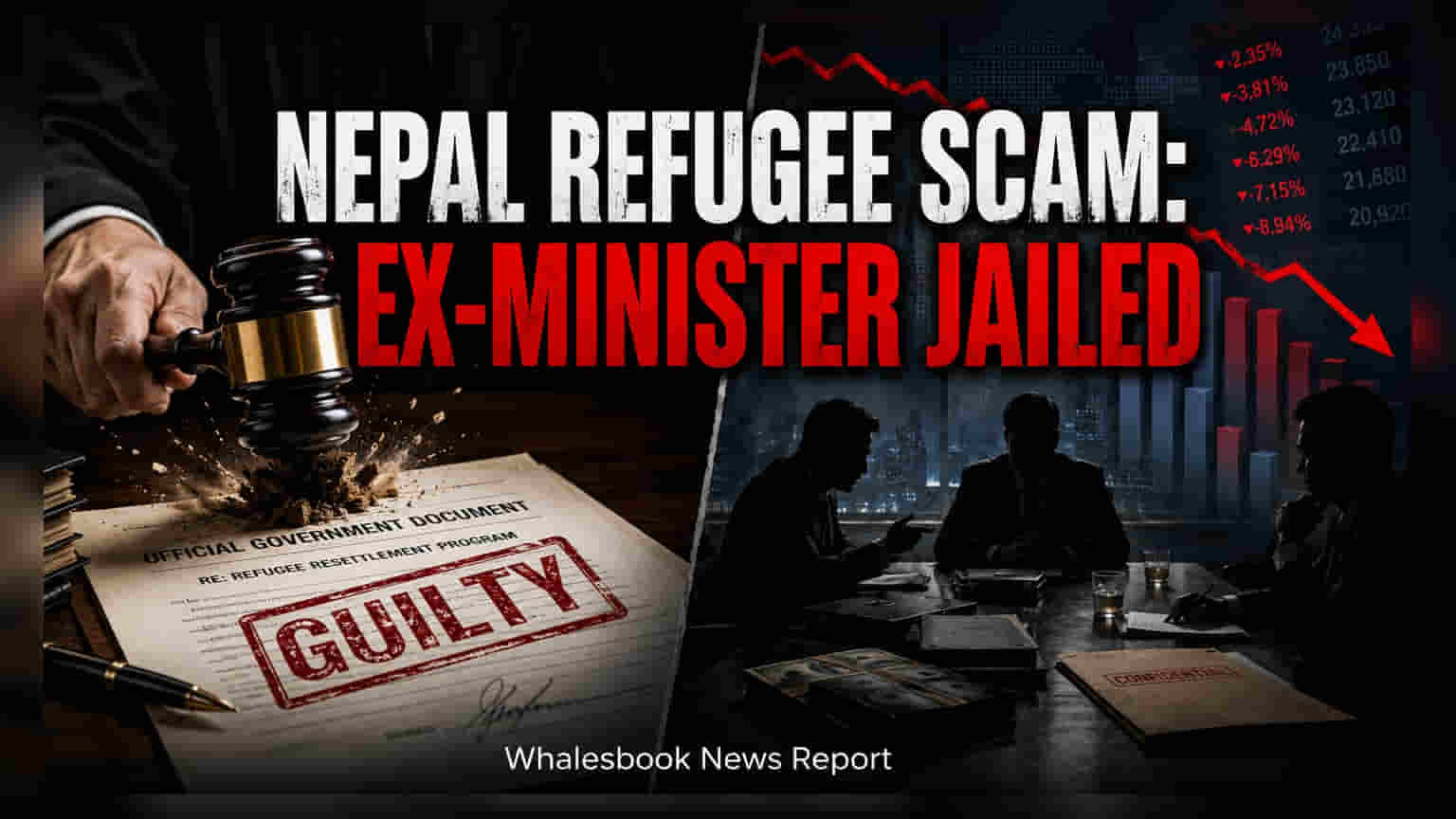
Nepal’s former deputy prime minister Top Bahadur Rayamajhi has been sentenced to four years in prison for his role in the fake Bhutanese refugee scam. The Kathmandu District Court also sentenced former home minister Bal Krishna Khand to two years for his involvement as an accomplice. This verdict involves 16 individuals convicted of organized crime, fraud, and offenses against the state.
The Kathmandu District Court in Nepal has handed down a four-year prison sentence to former deputy prime minister Top Bahadur Rayamajhi. The verdict follows his conviction in a widespread fraudulent scheme involving the illegal registration of Bhutanese refugees as Nepali citizens. This operation was designed to facilitate the migration of these individuals to the United States under false identities.
Court Verdict on Refugee Scam
Presided over by Judge Tej Bahadur Khadka, the court bench also delivered a two-year prison sentence to former home minister Bal Krishna Khand for his role as an accomplice in the matter. Alongside the prison terms, the court imposed financial penalties, with Rayamajhi ordered to pay NPR 40,000 and Khand ordered to pay NPR 20,000. These rulings are part of a larger legal process involving 16 individuals who were found guilty of participating in the organized criminal operation.
Charges and Impact on State Reputation
The court categorized the activities as serious offenses against the state, specifically citing charges of fraud and organized crime. According to the court’s order, the scheme involved the systematic creation of fake identity documents and the manipulation of official government records. The legal proceedings highlighted that these actions directly undermined the integrity of official Nepali documentation and caused significant damage to the country's international reputation.
Rayamajhi, a senior leader within the Communist Party of Nepal-Unified Marxist-Leninist, faced scrutiny throughout the investigation for his influence in the events. The case has been closely watched due to the high-ranking positions previously held by the defendants, reflecting the severity with which the judiciary is addressing corruption and state-level fraud. Investors and observers often track such legal developments in the region as they can influence political stability and governance standards, which in turn impact the broader investment climate.
Moving forward, the primary monitorable for this case will be whether any of the convicted individuals choose to file an appeal against the district court's decision in a higher court. Additionally, any subsequent regulatory or governmental responses regarding the integrity of official citizen registration processes may also draw attention.