

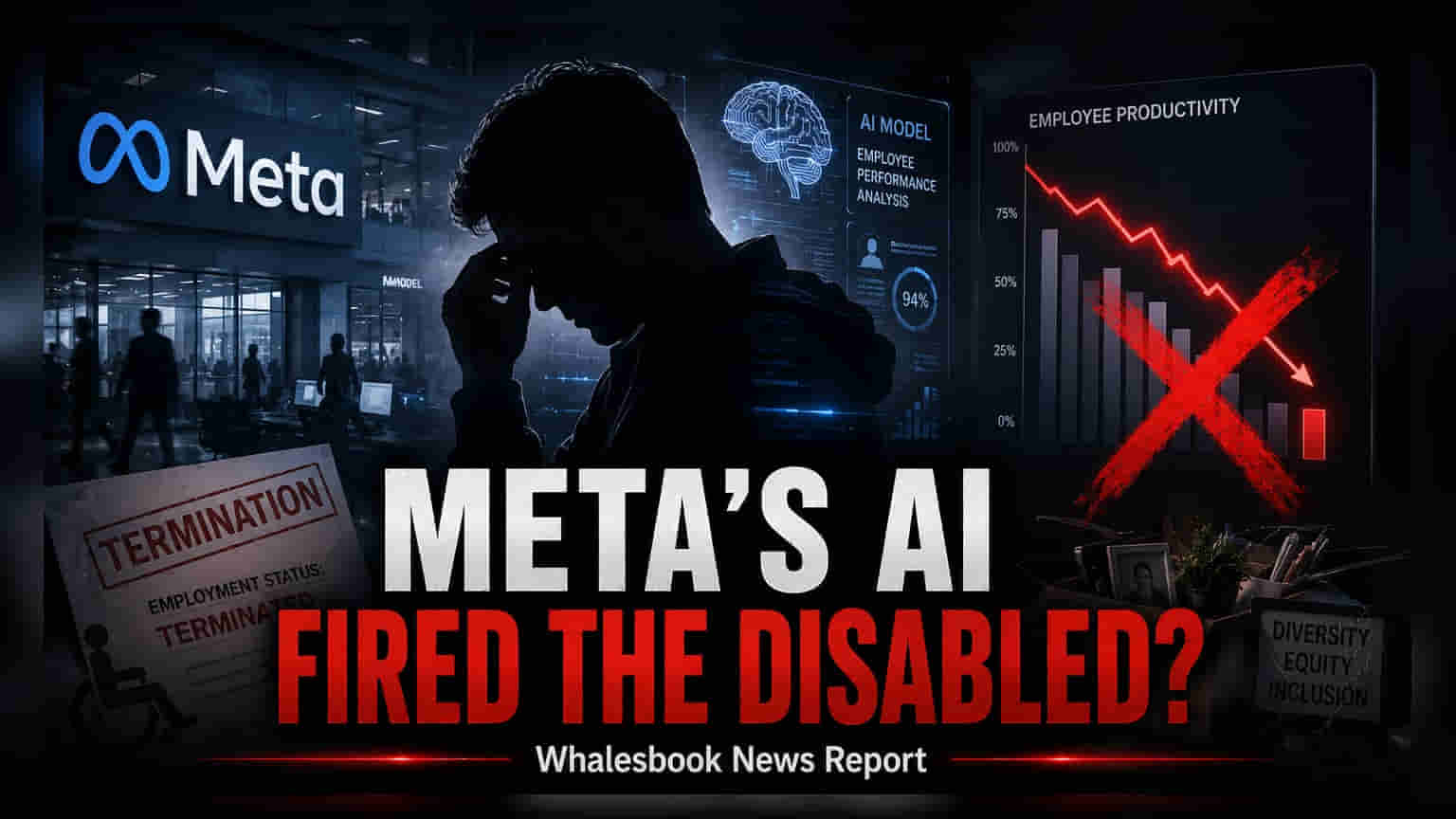
A federal lawsuit filed by 26 former employees alleges that Meta Platforms used AI software to unfairly target workers on medical leave or those with disabilities during layoffs. Meta has denied these claims, asserting that workforce decisions were made by human management rather than automated systems. Investors may track potential legal costs and governance implications surrounding AI-driven HR practices.
Meta Platforms is currently facing a federal lawsuit in the United States involving allegations that its artificial intelligence software played a role in the termination of employees with medical conditions. A group of 26 former workers filed the suit in Oakland, California, claiming that the company's AI-driven process for selecting individuals for layoffs disproportionately impacted those on medical leave, employees with disabilities, and pregnant workers.
The plaintiffs argue that the software prioritized specific metrics, such as productivity levels and AI token usage, which allegedly penalized individuals who had taken time off for health-related reasons. This legal action raises significant questions about the intersection of advanced technology and corporate human resource policies, particularly concerning compliance with anti-discrimination and anti-retaliation laws.
Meta's Response and Corporate Position
In response to the filing, a Meta spokesperson has rejected the allegations, characterizing them as being without merit. The company maintains that workforce reduction decisions were guided by human management rather than automated systems. As Meta continues to adjust its workforce, the outcome of this litigation could set a precedent for how large technology firms utilize data-driven tools in sensitive personnel management.
Business Context and Governance Risks
For investors, the primary concern surrounding such litigation involves potential legal expenses, regulatory scrutiny, and the broader governance risks associated with AI implementation. Meta has previously undertaken large-scale restructuring efforts, announcing a 10% reduction in its global workforce earlier this year. While the company is currently focused on capital efficiency and investing heavily in artificial intelligence infrastructure, legal challenges related to its internal practices can influence public perception and management focus.
Historically, technology companies have faced increasing pressure to ensure transparency in algorithmic decision-making. Investors typically monitor how such companies handle litigation to gauge potential impacts on long-term reputation and operating costs. The central issue remains whether the company’s HR processes can stand up to regulatory and judicial review regarding fair employment practices.
The progress of this case will be a key monitorable. Specifically, updates regarding court hearings, potential discovery processes, or any settlement discussions may offer more clarity on the materiality of these claims for Meta’s operations. Investors may track subsequent regulatory responses or any changes in the company's internal HR governance policies as these legal proceedings unfold.