

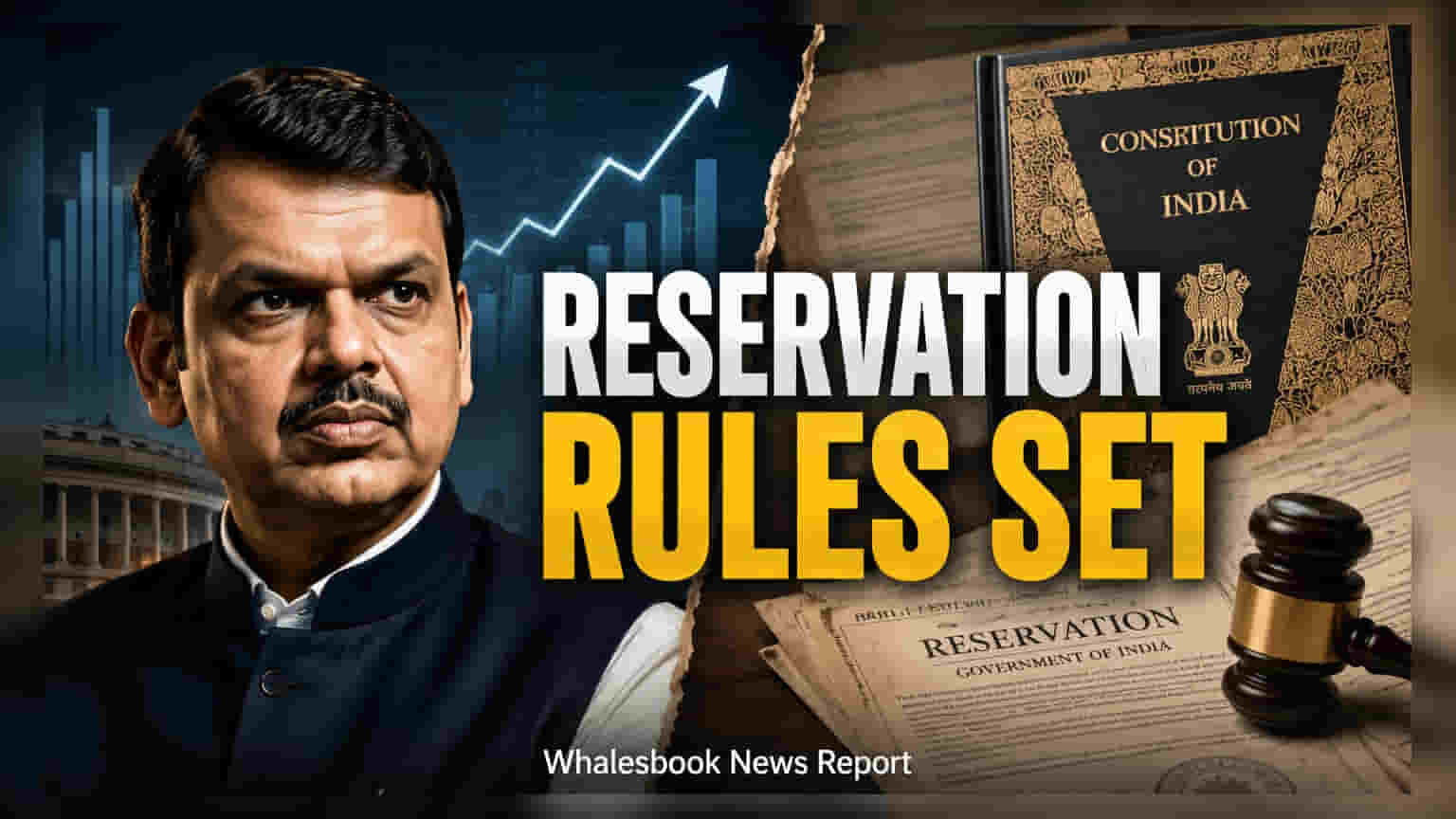
Chief Minister Devendra Fadnavis confirmed the state will hear reservation pleas while adhering to constitutional limits. The government ruled out redistributing existing quotas, as the state faces legal challenges in the Bombay High Court and threats of statewide agitations later this month.
Maharashtra Chief Minister Devendra Fadnavis has announced that the state government will examine all reservation demands, including those from the Maratha community and Other Backward Classes (OBCs). Speaking on the matter, the Chief Minister emphasized that any decisions or policy adjustments will remain strictly within the boundaries of the Indian Constitution and established legal frameworks.
The government has clarified that it will not undertake the redistribution of existing benefits from one community to another. This statement comes amidst ongoing political debates and pressure regarding quota systems in the state. To streamline these matters, the government has established a dedicated 'Maratha Reservation Cell' within the General Administration Department to handle legal and administrative coordination.
From an administrative perspective, the government reiterated that ministers are performing their duties by forwarding representations for inquiry. The Chief Minister defended his colleagues against political criticism, noting that the inquiry process for such demands is evidence-based and governed by independent committee structures rather than administrative pressure.
For businesses and the broader economic environment, policy stability in Maharashtra is a key monitorable. As one of India’s largest industrial states, persistent uncertainty surrounding reservation policies can have indirect implications for the operating environment. Investors typically watch for potential disruptions to normalcy when social tensions or agitation threats emerge.
There are two primary risks that stakeholders are currently monitoring. First, the 2024 Maratha reservation law, which provides a 10% quota in education and jobs, is currently facing legal challenges in the Bombay High Court. Any adverse judicial intervention or stay order could prolong policy uncertainty. Second, activist Manoj Jarange has threatened to initiate statewide agitations starting August 29, 2026, over the issue of Kunbi caste certificates. Potential civil unrest or disruptions associated with such protests can impact logistics, local operations, and the overall business climate.
Moving forward, the key updates to track will be the progress of the legal proceedings in the Bombay High Court and the government's handling of the upcoming protest deadline. These developments will provide clarity on the sustainability of the current reservation framework and the stability of the local business environment.