 Whalesbook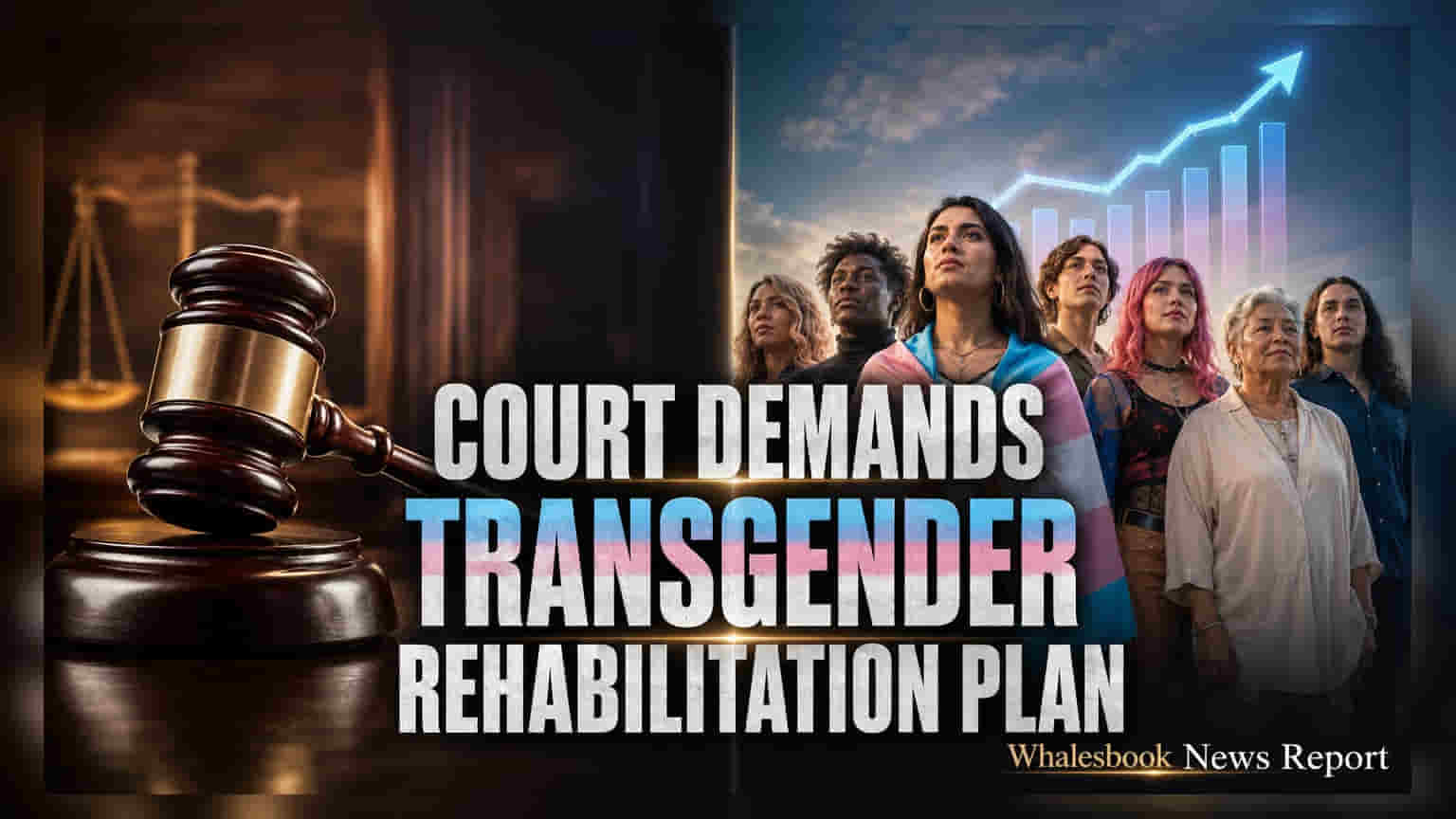


Judicial Intervention Sparks Governance Debate
The Madurai Bench of the Madras High Court has directed the Tamil Nadu government to develop a comprehensive, taluk-level rehabilitation scheme for transgender individuals. The order aims to promote self-employment, sustainable livelihoods, and meaningful social inclusion. The Chief Secretary is tasked with overseeing implementation, with a compliance report due by July 26.
Criticism Over Lack of Consultation
A key concern is the perceived absence of direct consultation with transgender persons and their organizations. Critics argue that such significant policy directives require input from the community they aim to serve, raising questions about judicial overreach and the potential for policies that don't align with lived realities.
Scrutiny of 'Rehabilitation' Terminology
The use of the term "rehabilitation" has also drawn criticism, with some suggesting it implies a deficit model. While the order addresses systemic issues like exclusion and economic instability, there are concerns it could oversimplify complex situations and lead to paternalistic interventions rather than genuine welfare.
Emphasis on Participatory Governance
Despite criticisms, the court's focus on livelihood and social inclusion offers an opportunity for more inclusive policy-making. However, for the initiatives to be effective and legitimate, the court must prioritize the inclusion of transgender voices. Ensuring transparency and active participation from transgender organizations is crucial for empowering transgender individuals in their own governance.