 Whalesbook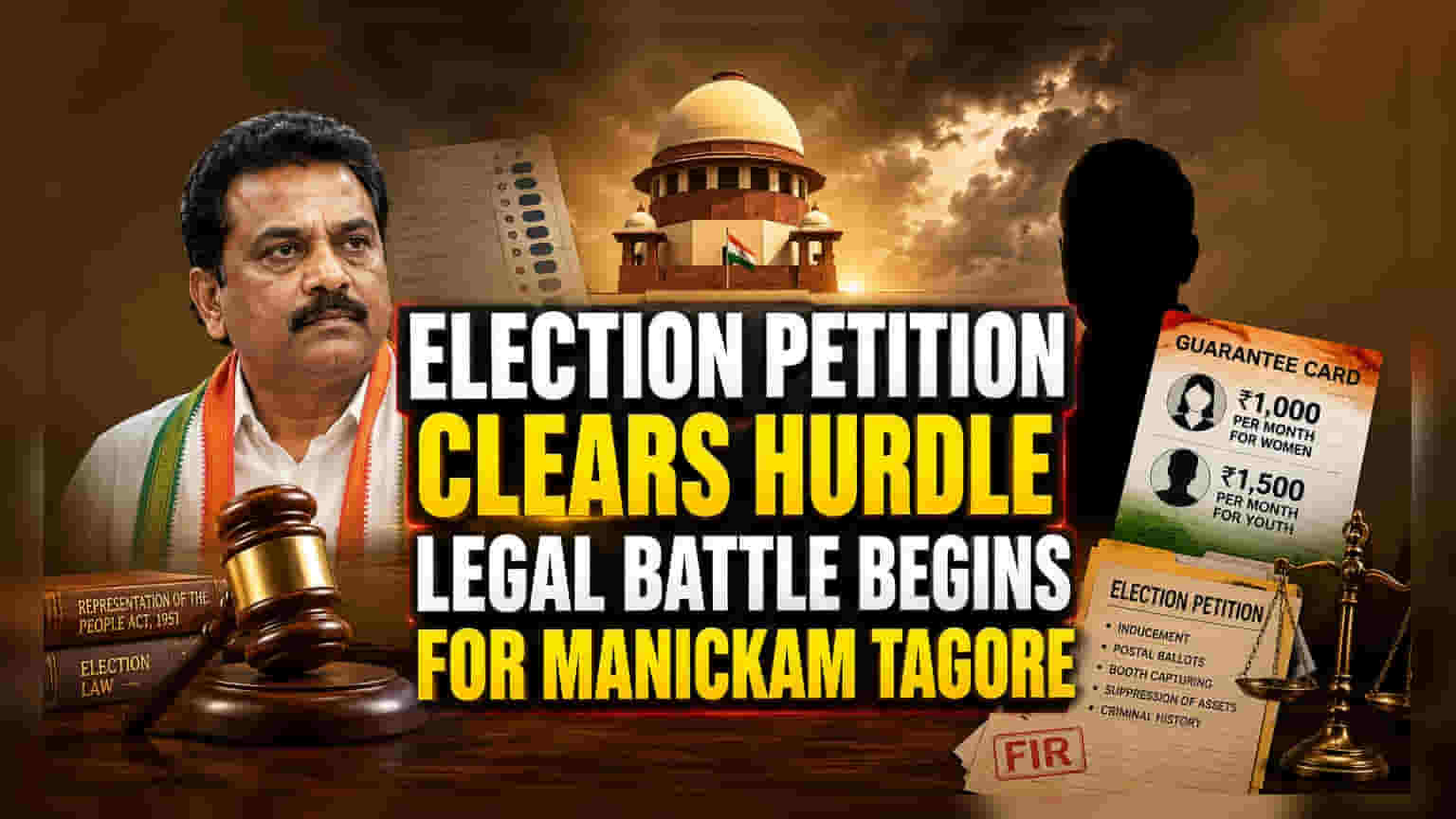


The Judicial Green Light
The persistence of the election petition against B Manickam Tagore marks a significant legal hurdle for the sitting MP. By dismissing the rejection applications, Justice N Sathish Kumar has effectively affirmed that the grievances raised by DMDK leader V Vijaya Prabhakaran contain enough substance to warrant a full evidentiary trial. This development moves the dispute beyond mere political posturing and into the sphere of rigorous judicial scrutiny regarding electoral conduct under the Representation of the Peoples Act.
The Mechanics of the Alleged Inducement
At the core of the conflict lies the distinction between a broad campaign platform and a targeted bribe. The petitioner argues that the 'Guarantee Cards' distributed by the Congress party functioned as a sophisticated mechanism to establish a direct, contractual link with individual voters. The promise of specific annual stipends for women and youth is being scrutinized not as policy rhetoric, but as a potential violation of electoral norms that prohibit private inducements. While the defense maintains that these cards were standard manifesto materials—and notes that the Election Commission’s specific prohibitory circular arrived post-polling—the court found that the existence of registered First Information Reports (FIRs) and specific witness testimony necessitates a deeper examination of the timeline and intent.
The Forensic Risk Factor
Beyond the card controversy, the trial will address broader allegations including the improper handling of postal ballots and claims of booth capturing. In similar past election litigations, courts have maintained a high threshold for overturning results, requiring evidence that the alleged malpractice materially affected the outcome. However, the inclusion of accusations regarding the suppression of assets and criminal history in the candidate’s nomination papers adds layers of potential liability. For the defense, the primary risk is that the discovery process may unearth systemic issues that extend beyond a single constituency, potentially influencing the broader perception of the party's electoral tactics. The July 9 hearing is expected to define the scope of evidence, and the potential for a lengthy trial could cast a persistent shadow over the legislative tenure of the constituency's representation.