 Whalesbook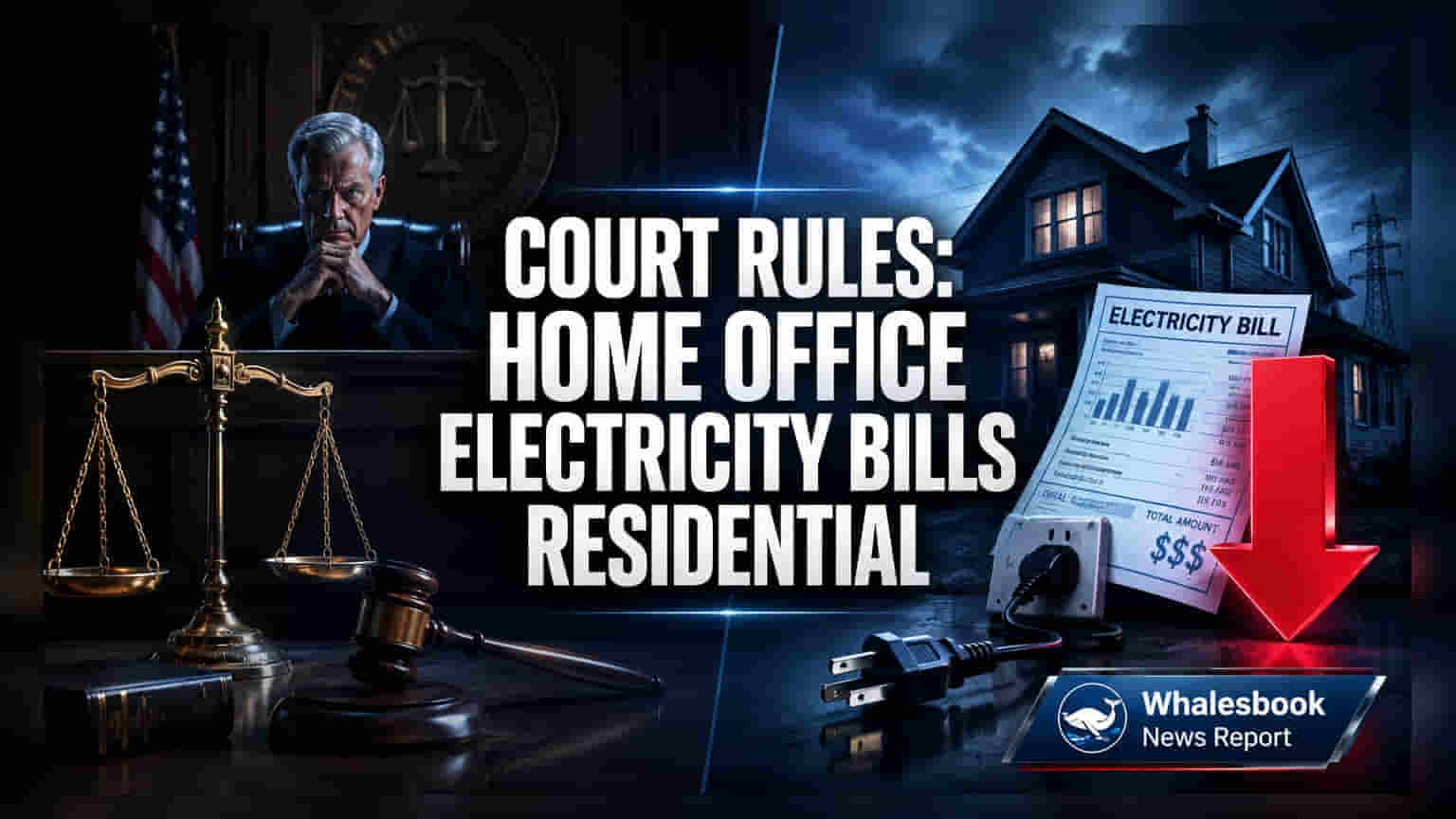


Home Offices Exempt from Commercial Electricity Tariffs
The Madhya Pradesh High Court has ruled that professional services provided from a home office do not qualify for commercial electricity tariffs. This decision sets a precedent for how electricity boards in India bill independent consultants.
The court reasoned that legal practice relies on specialized knowledge and personal skill, lacking the profit-driven and inventory-heavy nature of traditional commercial businesses. Therefore, utility companies like the Madhya Pradesh Madhya Kshetra Vidyut Vitran Company Limited can no longer arbitrarily classify residential addresses as commercial simply because a professional operates there.
Economic and Regulatory Impact
This ruling provides immediate financial relief for lawyers and other independent professionals working from home. It challenges the energy sector's efforts to expand revenue by broadly defining commercial activity. The court's emphasis on intellectual labor as distinct from high-volume commercial enterprises aligns with previous judicial decisions in other parts of India, such as Madras.
Analysts note that such rulings limit regional distribution companies' ability to increase their commercial tariff base. This could potentially shift the burden of electricity costs to other sectors, including domestic consumers.
Enforcement Challenges for Utilities
The dispute highlights a lack of clear national policy for hybrid residential-professional spaces. Electricity boards have often used broad definitions of commerce to cover revenue shortfalls, but these are now facing greater legal scrutiny.
State distribution companies, often operating with tight margins, will face increased administrative challenges. They will need to audit thousands of home offices to distinguish between passive professional work and actual commercial use, adding to their operational costs.
Future Billing Outlook
This verdict is likely to encourage similar legal challenges from other home-based professionals, including architects, doctors, and financial consultants. Regulatory bodies may be pressured to create a new, intermediate billing category for such users.
Utilities might respond by focusing on more detailed monitoring of electricity consumption rather than relying solely on the occupancy status of a property to determine tariff rates.