

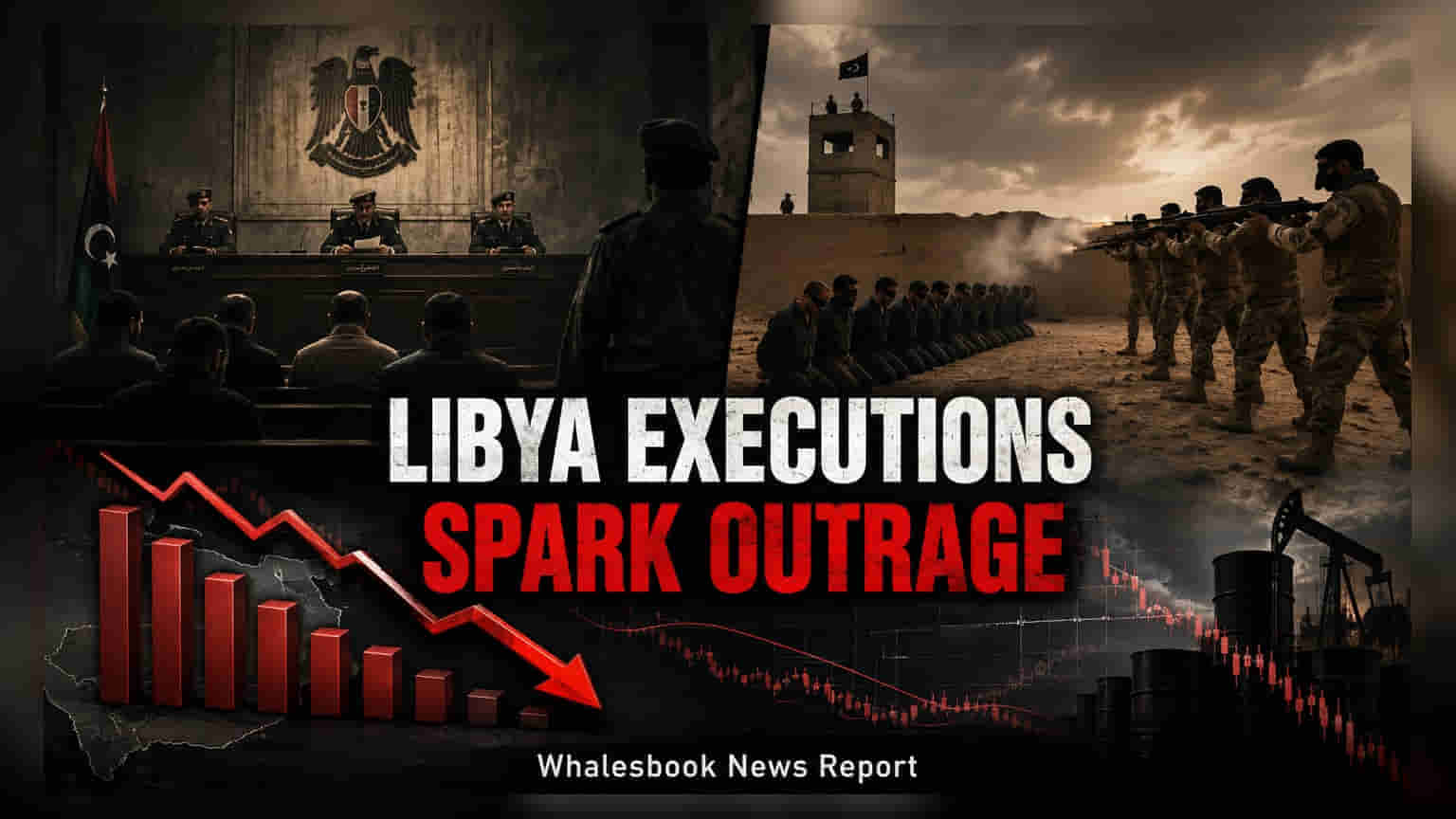
Eastern Libyan authorities executed 10 individuals convicted of terrorism-related offenses by military courts. The move has sparked criticism from human rights organizations over due process concerns. For international stakeholders and energy markets, the event underscores the persistent political and judicial instability in the oil-producing nation.
Authorities in eastern Libya have executed 10 people by firing squad at the Qarnada military prison. The office of the military prosecutor, which operates under the Libyan National Army (LNA) led by General Khalifa Hifter, announced the executions on Sunday. The individuals were convicted by military courts for charges including participation in terrorist organizations and the targeting of military and civilian personnel.
This development has drawn immediate and sharp criticism from human rights groups. The National Institution for Human Rights in Libya has publicly challenged the legal foundation of these executions. The organization highlighted that the military courts lack the jurisdiction to try civilians, noting that previous rulings from the Constitutional Court of Libya have declared such trials unconstitutional for these types of offenses.
For international observers and those monitoring the energy sector, this event brings renewed attention to the fragmented governance in Libya. The country remains divided between rival administrations, with each controlling different regions and critical infrastructure. Because Libya is a major oil producer, political and judicial volatility can often create a risk premium for regional operations. International entities continue to observe whether such actions will lead to increased domestic tension or affect the long-term stability of the regions controlled by the LNA.
Human rights bodies have long raised concerns regarding the state of the justice system in Libya. They point to a lack of due process and the persistent use of capital punishment in trials that often fall short of international legal standards. As the situation remains fluid, stakeholders and international observers are monitoring how this judicial action might influence the broader political climate in the region.