 Whalesbook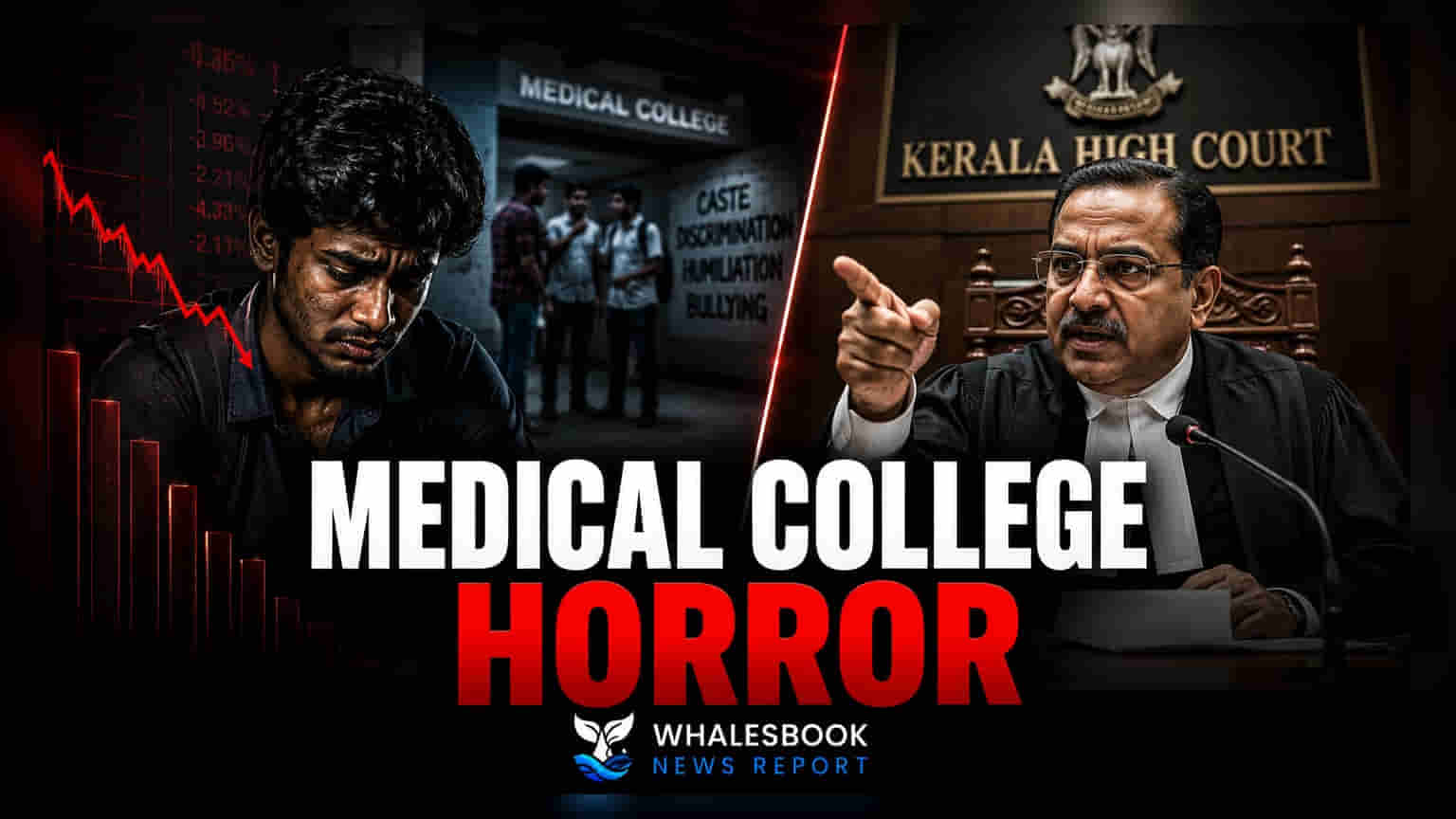


The Institutional Crisis
The Kerala High Court has initiated a push to dismantle the toxic hierarchy embedded within the state’s medical education sector. Driven by a case involving the death of a Dalit student, the court is shifting focus from individual criminal liability to systemic reform. Justice A Badharudeen’s proposal for a covert commission signals a loss of confidence in internal university grievance mechanisms, which have long been criticized for protecting faculty at the expense of student welfare.
The Anatomy of Academic Hazing
The court’s characterization of the abuse as a professionalized form of the "Mother-in-law syndrome" highlights a deeply entrenched culture of retaliation. By framing harassment as a generational cycle—where victims eventually become perpetrators—the judiciary is identifying an institutional inertia that standard disciplinary committees have failed to break. This cycle is often reinforced by the intense power disparity in PG medical training, where clinical supervision roles provide faculty with near-total control over a student’s career progression, creating a climate of silence.
The Legal Crossroads
At the center of this controversy is the anticipatory bail plea of Dr. M Kodanda Ram of Kannur Dental College. The proceedings have exposed a stark divide between the prosecution, which relies on witness accounts of systemic caste-based harassment, and the defense, which emphasizes external stressors such as the student’s financial liabilities. With the court now demanding a broader inquiry, the legal focus is expanding beyond the suicide of Nithin Raj to address the potential for institutional negligence under the Scheduled Castes and the Scheduled Tribes (Prevention of Atrocities) Act.
The Forensic Risk Perspective
Educational institutions facing such scrutiny often encounter severe reputational damage that impacts recruitment and accreditation. The call for a secret investigation suggests that the judiciary believes traditional evidence-gathering methods are insufficient to penetrate the culture of fear in these colleges. If established, such a commission could set a precedent for mandatory external oversight in medical training, likely increasing compliance costs and forcing a complete overhaul of faculty management and student support protocols. The upcoming June 8 hearing is expected to define the mandate of this committee and determine whether the state will impose stricter liability on academic administrators for the actions of their teaching staff.