

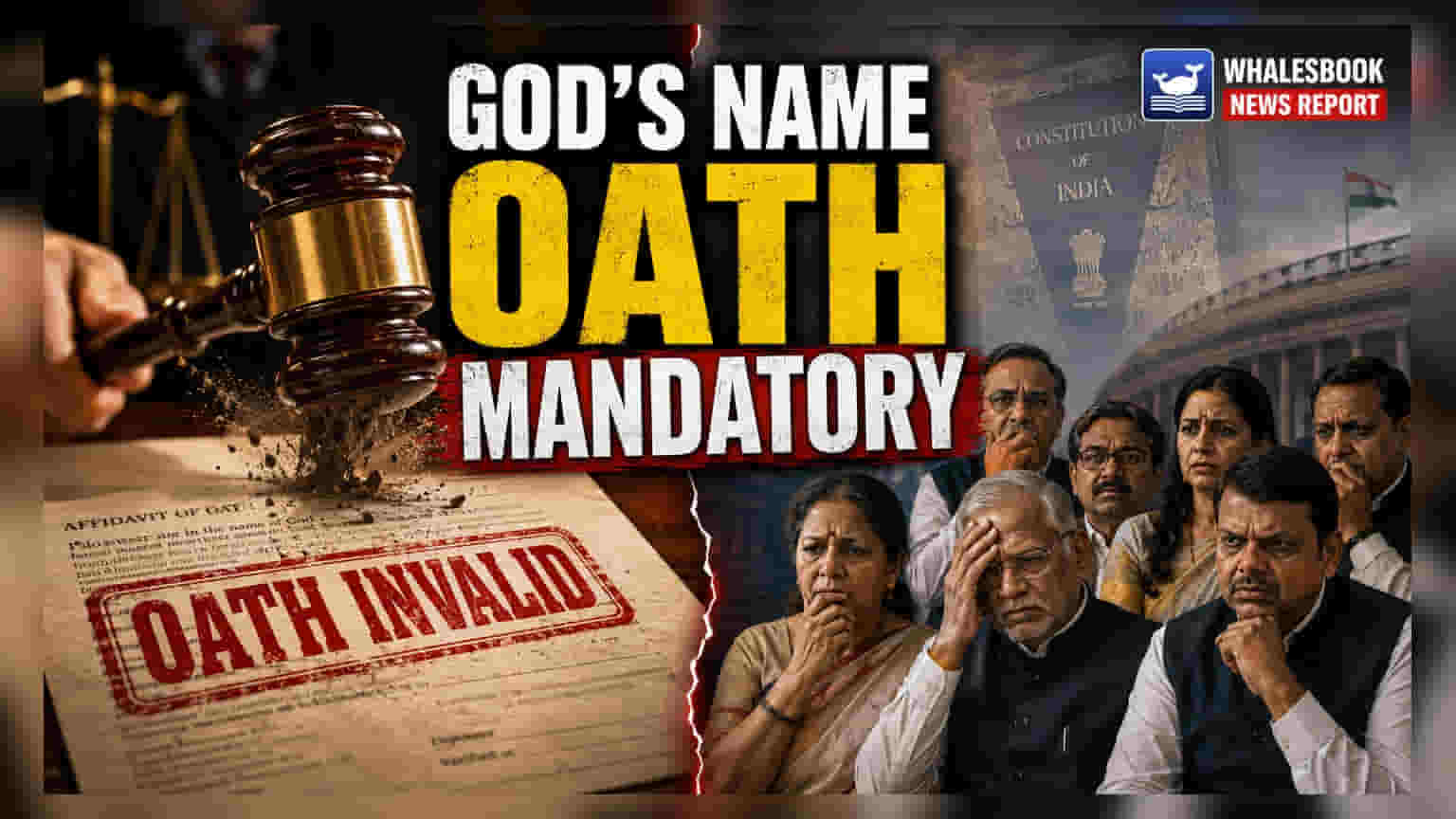
The Kerala High Court has ruled that oaths taken by elected officials must strictly follow the forms prescribed in the Constitution. Officials who swear in the name of deities, leaders, or other figures instead of the mandated 'God' or 'solemn affirmation' are legally ineligible to hold office.
What Happened
The Kerala High Court has issued a ruling clarifying the strict requirements for oaths taken by elected officials. The court invalidated the oaths of certain councillors in the Thiruvananthapuram Municipal Corporation because they deviated from the specific formats defined by the Constitution of India. Instead of using the prescribed "in the name of God" or the "solemnly affirm" option, these officials had sworn allegiance in the names of local deities, political martyrs, or "Bharat Matha." The court stated that such deviations make the oath legally invalid, meaning the officials cannot officially assume their duties until they comply.
The Constitutional Mandate
The Constitution of India includes specific templates for oaths to ensure uniformity and respect for the legal framework. These templates are not just symbolic; they are mandatory requirements for anyone entering a public office. The court highlighted that the inclusion of the term "God" in the constitutional text was intended as a general reference to the Almighty, rather than being linked to any specific religion or figure. For those who do not believe in a deity, the option to "solemnly affirm" is provided as an equally valid constitutional alternative.
Legal Implications for Elected Officials
The judgment, delivered in the case of S.P. Deepak v. Kerala State Election Commissioner & Ors., establishes that an oath is a serious legal obligation rather than a personal declaration. By deviating from the prescribed text, an official fails to complete the necessary legal steps to occupy their position. The court has placed the onus on the officials administering the oath—such as presiding officers or election commissioners—to ensure that every word spoken matches the constitutional requirement. If a deviation occurs and is recorded, the affected individual is considered ineligible to hold the office.
Precedent and Future Compliance
This ruling is expected to serve as a significant legal precedent, signaling to legislative bodies and local governments across India that constitutional compliance is mandatory. Officials who have already taken oaths in incorrect formats may now face requirements to be sworn in again to maintain the legality of their tenure. The decision reinforces the court's view that public representatives cannot pledge allegiance to the Constitution while simultaneously altering the very words of that Constitution to suit personal or political preferences.
What To Watch Next
Investors and observers should monitor how local government bodies across Kerala and other states respond to this order. The key monitorable will be whether election commissions issue fresh directives to ensure all future oath-taking ceremonies are monitored for strict constitutional adherence to avoid governance disruptions.