

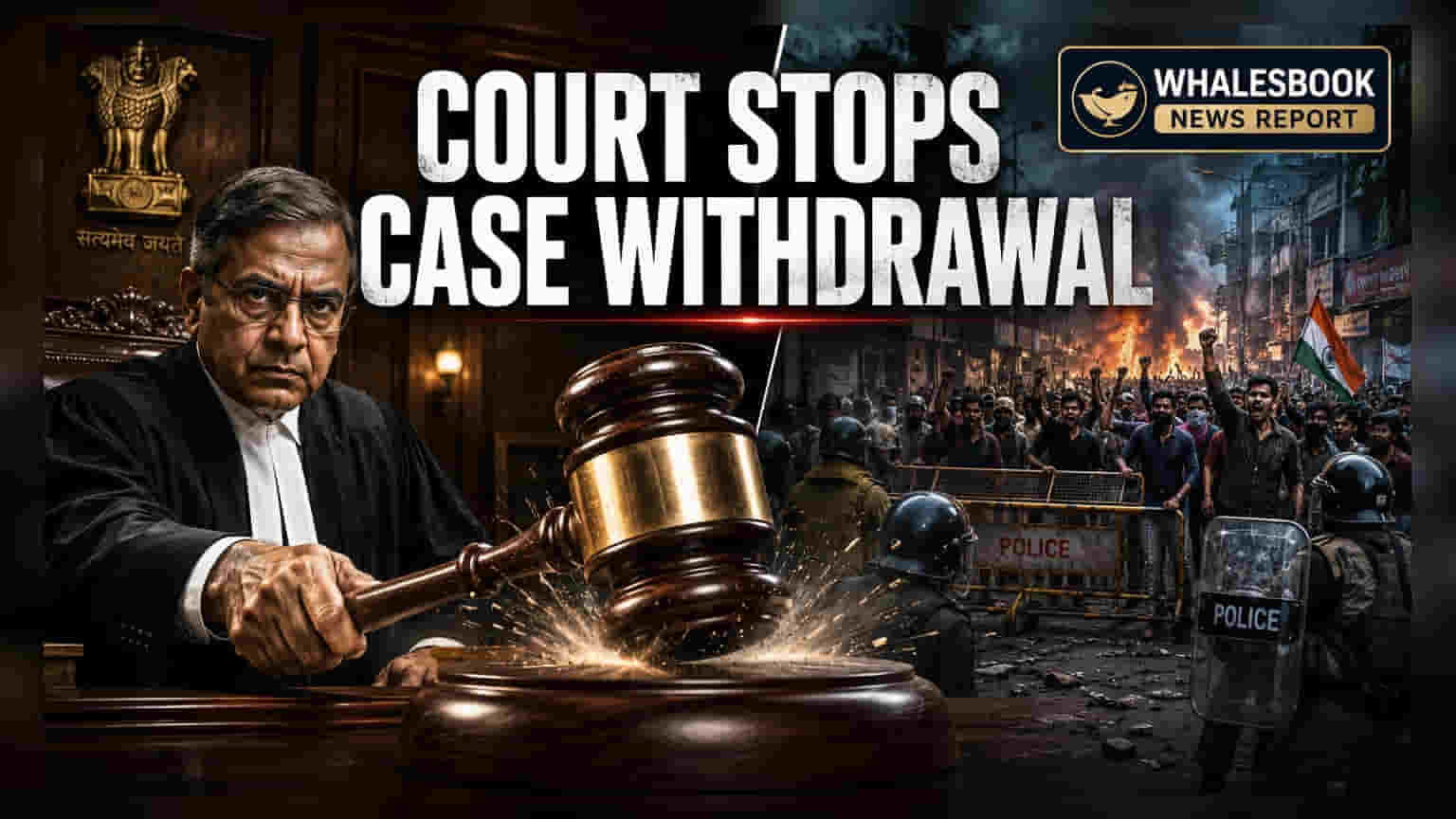
The Karnataka High Court has temporarily stayed the state government's order to withdraw 52 criminal cases, including those involving rioting and public disorder. The division bench halted the process until it reviews the legal validity of the move, noting a similar previous order was quashed. This judicial intervention highlights the oversight on administrative decisions regarding law and order in the state.
What Happened
The Karnataka High Court has issued an interim stay on the state government’s decision to withdraw prosecution in 52 criminal cases. A division bench, led by Chief Justice Vibhu Bakhru and Justice KS Hemalekha, halted the implementation of the government order dated May 27, 2026. The court directed that the government’s plan, which aimed to drop charges across various police stations, must not be executed until the court determines its legal validity. The state has been ordered to submit its response to the court before the next hearing, which is set for September 28, 2026.
Why This Matters for Governance
For investors and observers of the business environment, this development highlights the role of the judiciary in maintaining checks and balances on executive decisions. Governance, legal stability, and the rule of law are key factors when evaluating the business climate of a state. Regular judicial oversight on how the administration handles public order issues, such as riots or public property damage, provides signals regarding the consistency of state policy and the enforcement of the law. Institutional investors often monitor these dynamics to assess potential risks to state-level stability and the continuity of the legal framework.
The Nature of the Cases
The court’s intervention follows a public interest litigation (PIL) filed by advocate Girish Bharadwaj. The petition challenged the government order, arguing that it mirrored an earlier attempt to withdraw cases that was previously struck down by the High Court. According to the petition, the 52 cases involved serious offenses that impact public order and social harmony. Specific charges mentioned in the petition include rioting, unlawful assembly, criminal conspiracy, inciting enmity, assault on public servants, attempted murder, and violations under the Prevention of Damage to Public Property Act, 1984, and the Disaster Management Act, 2005.
Legal and Administrative Context
The petitioner argued that the decision to withdraw these cases, which reportedly originated from a recommendation by a cabinet sub-committee, was made despite negative opinions from relevant departments and was contrary to established judicial directives. The petition also identified Health Minister UT Khader as a key figure in the process, though the court did not issue a notice to him at this stage. By staying the government order, the court has ensured that the status quo is maintained while the matter is thoroughly examined.
What Investors Should Track
The primary monitorable for this situation is the outcome of the next court hearing scheduled for September 28, 2026. The court’s final ruling on whether the government order is legally sound will clarify the extent to which the executive can exercise discretion in withdrawing criminal prosecutions. Any further developments regarding the state's response or subsequent court orders will provide clarity on the legal standards governing such administrative decisions.