 Whalesbook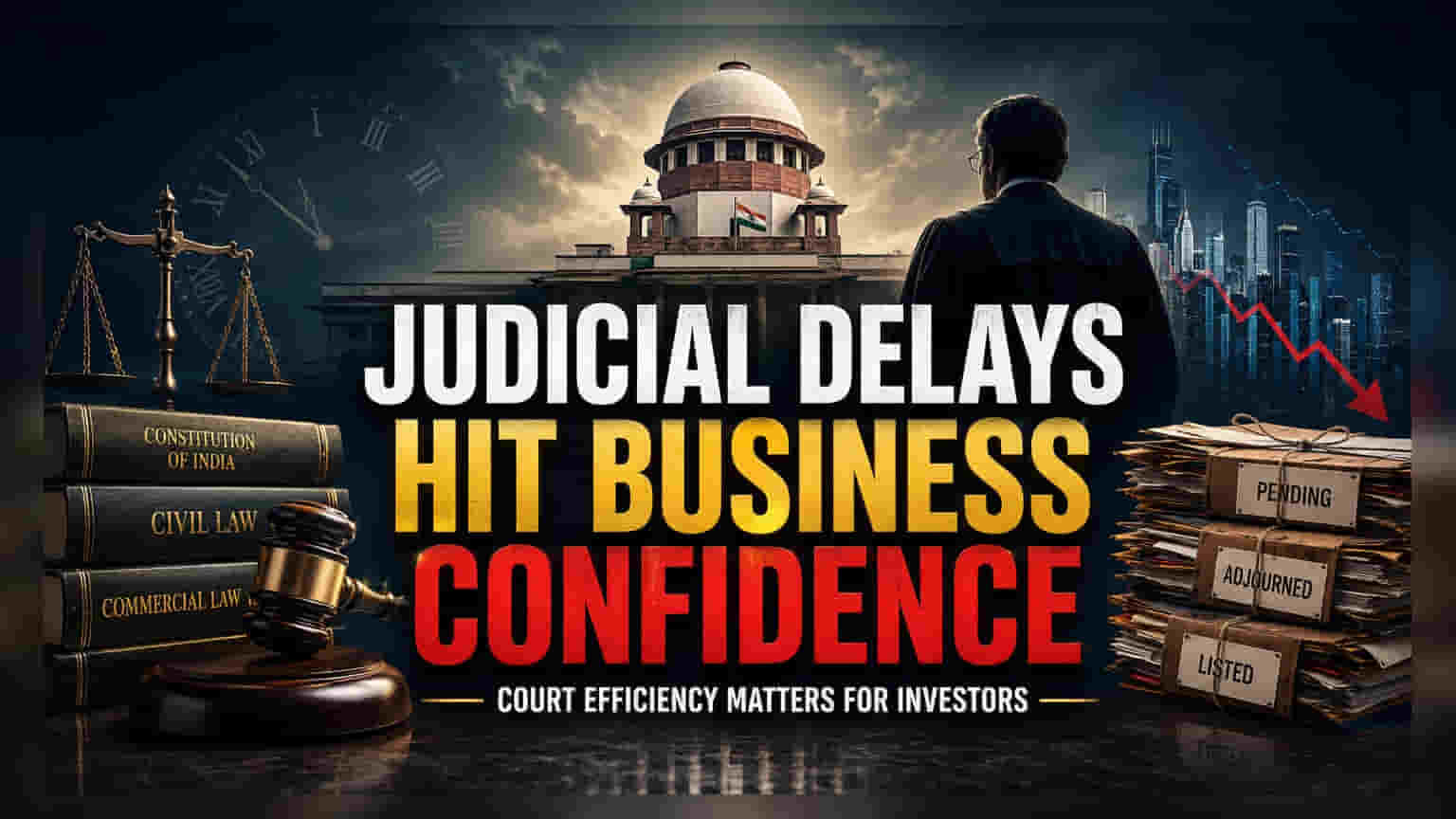


Senior Advocate Sudeep Pasbola has raised concerns regarding judicial independence and legal processes in India. For investors, the strength and efficiency of the judiciary are vital for business stability, contract enforcement, and dispute resolution. We analyze why legal infrastructure remains a key monitorable for the corporate sector.
What Happened
Senior Advocate Sudeep Pasbola, a veteran criminal defence lawyer with over three decades of experience, has expressed concerns regarding the current state of judicial independence in India. In recent comments, he highlighted a perceived decline in judicial autonomy, attributing part of this to the shifting relationship between the press and the judiciary. He also noted that legal trials are becoming increasingly lengthy, which impacts the overall efficiency of the court system. His observations touch upon broader challenges, including the influence of public sentiment on legal proceedings and the practical difficulties faced by legal practitioners in lower courts.
Why This Matters For Investors
For the Indian investment community, the judiciary is not just a social institution but a critical pillar of the economy. Investors, both domestic and foreign, rely on the legal system for contract enforcement, property rights, and commercial dispute resolution. A predictable, independent, and efficient judicial system is essential for maintaining a stable business climate. When legal processes become overly prolonged, capital can get locked in litigation for years, affecting project timelines and cash flows for companies. The ability of the court system to deliver timely verdicts is a direct input for business risk assessment and capital allocation decisions.
The Impact of Public Sentiment and Media
Pasbola pointed to the influence of public sentiment, often amplified by media, on legal outcomes. For corporate entities, this presents a distinct risk profile. High-profile cases involving large companies often attract intense media scrutiny. When public opinion, rather than just legal facts, starts to dominate the discourse, it creates reputational risks that can be difficult to manage. Investors often monitor how companies handle such legal scrutiny, as it can impact stock price volatility and long-term brand equity, regardless of the eventual judicial verdict.
Systemic Challenges and Business Stability
The veteran lawyer also highlighted infrastructure and systemic issues within courts, such as the lack of basic facilities, which can impede the smooth functioning of legal proceedings. From a business perspective, the efficacy of the legal system is often measured by its ability to resolve commercial disputes quickly. Delays in miscellaneous work and administrative hurdles can accumulate, causing uncertainty. For companies involved in arbitration or long-drawn litigation, these systemic delays act as a hidden cost, impacting operational agility and the ability to pivot in response to changing market conditions.
Legal Aid and Competitive Dynamics
Pasbola raised concerns regarding the trend of litigants who can afford private counsel opting for state-funded legal aid. In the corporate world, this relates to the broader debate on legal accessibility and fair competition. A robust legal framework ensures that private legal practitioners remain available and competent to represent corporate interests effectively. Any distortion in the availability of skilled legal representation can, in the long run, affect the quality of counsel available for commercial law matters.
What Investors Should Track
Investors and market participants should monitor several factors related to the legal and regulatory environment. First, track developments in judicial infrastructure and efforts toward faster case disposal, as these impact the ease of doing business. Second, pay attention to the regulatory and legal stability of the sectors companies operate in, as changes in the interpretation of laws can create sudden business headwinds. Finally, observe the quality of arbitration and dispute resolution mechanisms available, as these are increasingly the first line of defense for companies looking to avoid prolonged court battles.