

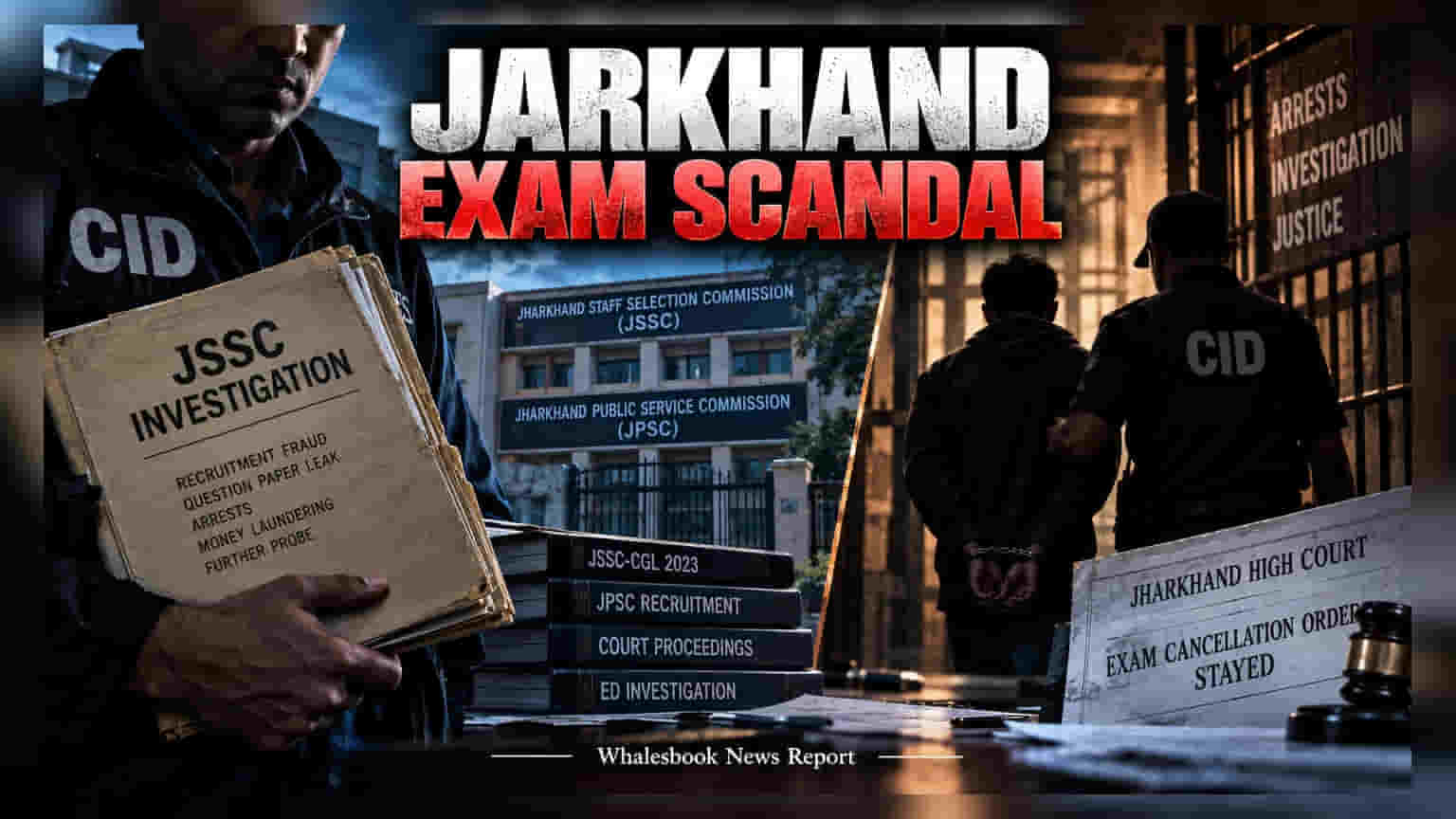
The Jharkhand CID has arrested two more suspects linked to state recruitment exam irregularities, bringing total arrests across JSSC and JPSC cases to over 30. The legal status of these exams remains uncertain as the Jharkhand High Court has stayed the government's cancellation order, while a separate money laundering investigation is ongoing.
The ongoing investigation into alleged irregularities within Jharkhand's recruitment process has widened, with the Criminal Investigation Department (CID) announcing two additional arrests. These latest developments are tied to separate examinations held by the Jharkhand Staff Selection Commission (JSSC) and the Jharkhand Public Service Commission (JPSC), highlighting the scale of the administrative and legal challenges facing the state’s recruitment system.
The CID has apprehended Dilip Kumar Paswan in connection with the 2023 JSSC Combined Graduate Level (JSSC-CGL) examination, increasing the number of arrests in that specific case to 13. Simultaneously, investigators arrested Sanjit Kumar, who operates a coaching center in Ranchi, regarding the JPSC recruitment probe. This broader JPSC investigation has already resulted in over 20 arrests, including that of the former JPSC chairman, L. Khiangte, in August.
From a governance and risk perspective, the situation remains complex. While the state government initially moved to cancel several recruitment examinations in response to public protests and evidence of malpractice, the implementation of these decisions has faced legal hurdles. The Jharkhand High Court has granted a stay on the government's order to cancel the exams, following petitions filed by candidates who had qualified. This judicial intervention leaves the recruitment process in a state of limbo, creating significant uncertainty for thousands of aspirants and the administrative bodies involved.
Beyond the recruitment fraud allegations, the situation has attracted the attention of federal authorities. The Enforcement Directorate (ED) has initiated a separate money laundering investigation, which adds a layer of regulatory scrutiny to the matter. For those monitoring the broader business and administrative environment in Jharkhand, these events are significant. They underscore the systemic risks involved in state-level public procurement and recruitment projects, where governance failures can lead to prolonged legal battles, operational paralysis, and increased regulatory oversight.
The key monitorables for the coming weeks remain the upcoming hearings in the Jharkhand High Court regarding the status of the exams, as well as any further findings from the Enforcement Directorate’s investigation. These developments will determine whether the current recruitment cycles are eventually validated or if the state must restart the entire hiring process.