 Whalesbook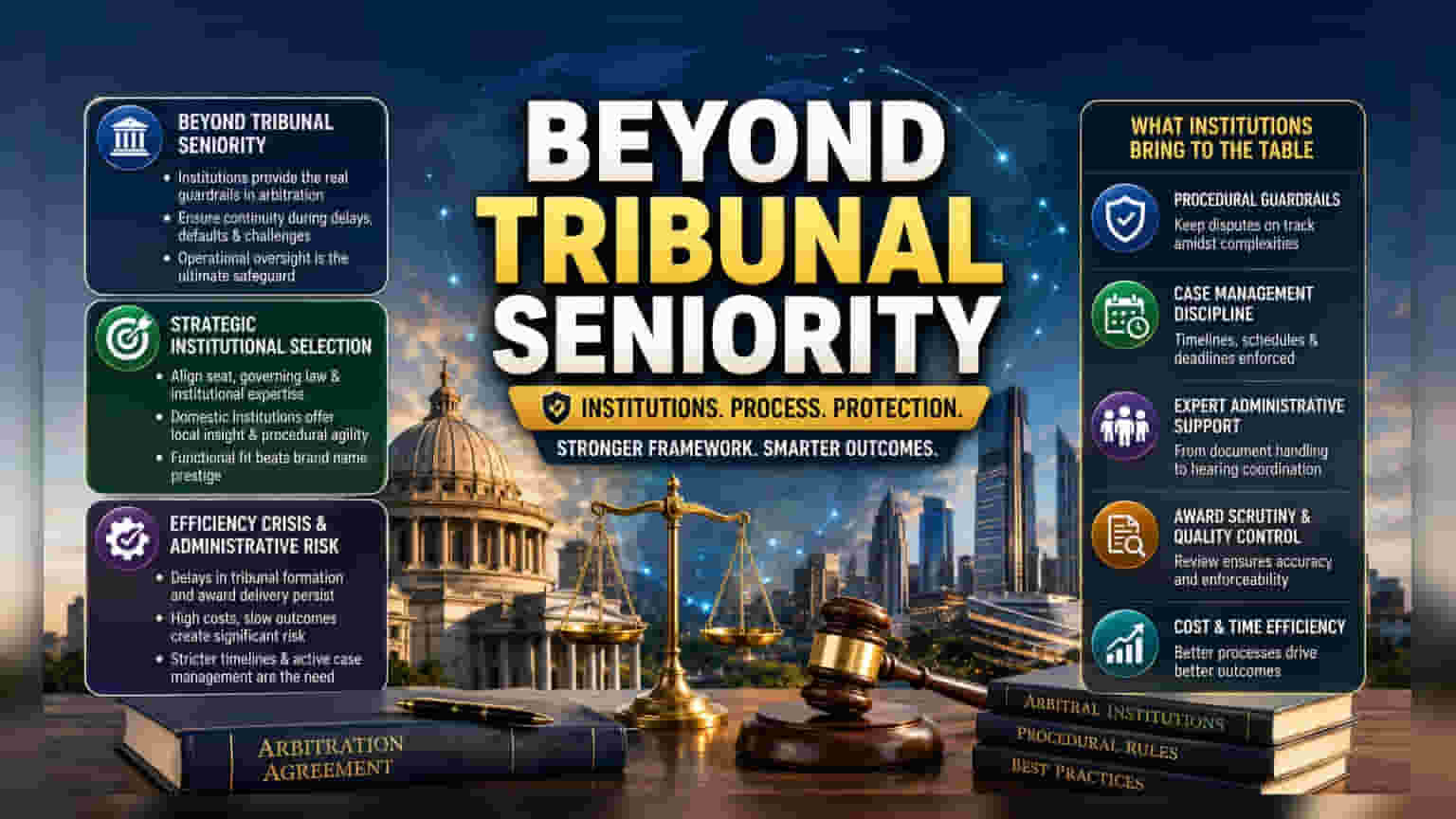


Beyond Tribunal Seniority
The reliance on high-profile tribunals often creates a false sense of security in complex legal disputes. While parties frequently prioritize the reputation of individual arbitrators, the operational framework provided by arbitral institutions functions as the primary hedge against structural failure. Rather than acting as mere administrative figureheads, these bodies provide the requisite guardrails when proceedings encounter tactical stalling, party default, or jurisdictional challenges. The shift in focus toward institutional mandate suggests that seasoned practitioners now view administrative oversight as the final safeguard against the procedural drift that often inflates costs and timeline projections.
Strategic Institutional Selection
The prevailing trend in cross-border dispute resolution favors a localized, functional approach rather than the traditional reliance on global arbitration hubs. Selecting an institution now requires a forensic alignment of the arbitration seat, the governing law, and the specific expertise of the body overseeing the case. For disputes anchored in the Indian market, domestic entities are increasingly viewed as more effective than international counterparts, largely due to their familiarity with regional legislative nuances. This pragmatic alignment challenges the long-standing preference for 'name-brand' institutions, suggesting that parties are prioritizing procedural agility over the prestige of global legacy organizations.
The Efficiency Crisis and Administrative Risk
Despite the growth of institutional models, chronic inefficiencies persist, particularly regarding the speed of tribunal formation and final award delivery. The administrative burden is not merely a logistical concern; it represents a significant financial risk to corporations balancing multi-year litigation cycles. Critics point to the disconnect between the high cost of premium institutional arbitration and the reality of mounting delays in award issuance. There is an increasing demand for institutions to move beyond simple case management and actively enforce stricter timelines for document production and hearing schedules. The scrutiny of awards by institutional reviewers remains a vital check on calculation errors, yet this layer of oversight must be carefully calibrated to ensure it does not contribute further to the very delays it seeks to prevent.