

Despite the 2013 ban, official data shows 332 sanitation worker deaths occurred between 2021 and 2026. Legal ambiguity in defining 'manual scavenging' versus 'hazardous cleaning' creates gaps in accountability and safety. For stakeholders, this highlights significant governance and ESG risks, as municipal bodies and contractors face mounting pressure to adopt mechanized sanitation and ensure better safety compliance.
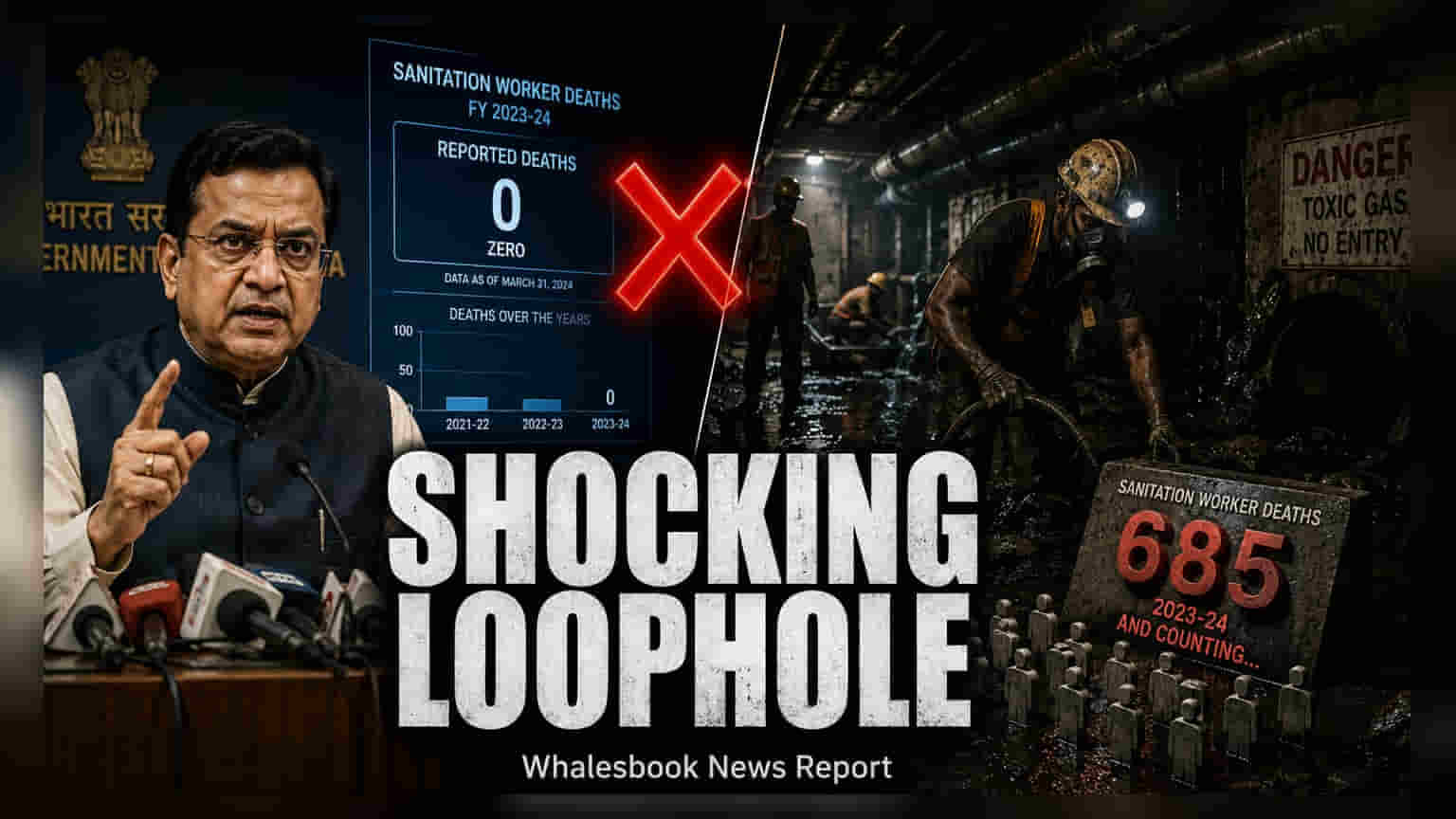
The ongoing challenge of sanitation worker safety in India remains a critical governance issue. Between January 2021 and June 2026, the government reported 332 deaths of sanitation workers during sewer and septic tank cleaning operations. This figure stands in stark contrast to the intended objective of the Prohibition of Employment as Manual Scavengers and their Rehabilitation Act, 2013, which was designed to eliminate the practice entirely.
A primary factor contributing to the persistence of this issue is the legal interpretation within the existing framework. The 2013 Act provides a specific definition for 'manual scavenging,' but many incidents involving deaths in sewers are often categorized by authorities as 'hazardous cleaning' rather than manual scavenging. This distinction creates a significant regulatory grey area. Because these classifications differ, the reporting of deaths and the subsequent enforcement of safety and liability protocols are often inconsistent, creating hurdles in holding municipal bodies and contractors accountable.
For investors and market observers, this situation underscores a growing emphasis on ESG (Environmental, Social, and Governance) compliance. Municipal bodies and private firms involved in civic contracting are increasingly under the scanner regarding labor safety standards. The reputational and legal risks associated with manual cleaning operations are rising, as the government continues to enforce stricter mandates for mechanized sanitation.
To address these systemic issues, the government introduced the National Action for Mechanised Sanitation Ecosystem (NAMASTE) scheme in 2023. The goal of this initiative is to replace manual labor with machines for sewer and septic tank maintenance. Success in this area relies on the rapid adoption of technology and the decommissioning of manual cleaning practices. Currently, the transition is slow, with a continued reliance on contractual and often inadequately trained labor in many regions.
The financial implications of these incidents are also significant. The Supreme Court has mandated compensation of ₹30 lakh for the families of workers who die during septic tank cleaning. While this provides necessary support to the families, it also serves as a financial liability for the responsible entities, including municipal corporations and the agencies they hire. Consistent litigation and the high cost of non-compliance are forcing a re-evaluation of how civic contracts are managed and executed.
Moving forward, the primary focus for tracking this sector will be the effectiveness of the NAMASTE scheme in driving the shift toward mechanization. Investors and civic monitors will likely watch for stricter enforcement of safety norms, the wider adoption of sanitation machinery, and improvements in the transparent reporting of occupational safety data to ensure that the legal framework effectively protects the workforce.