 Whalesbook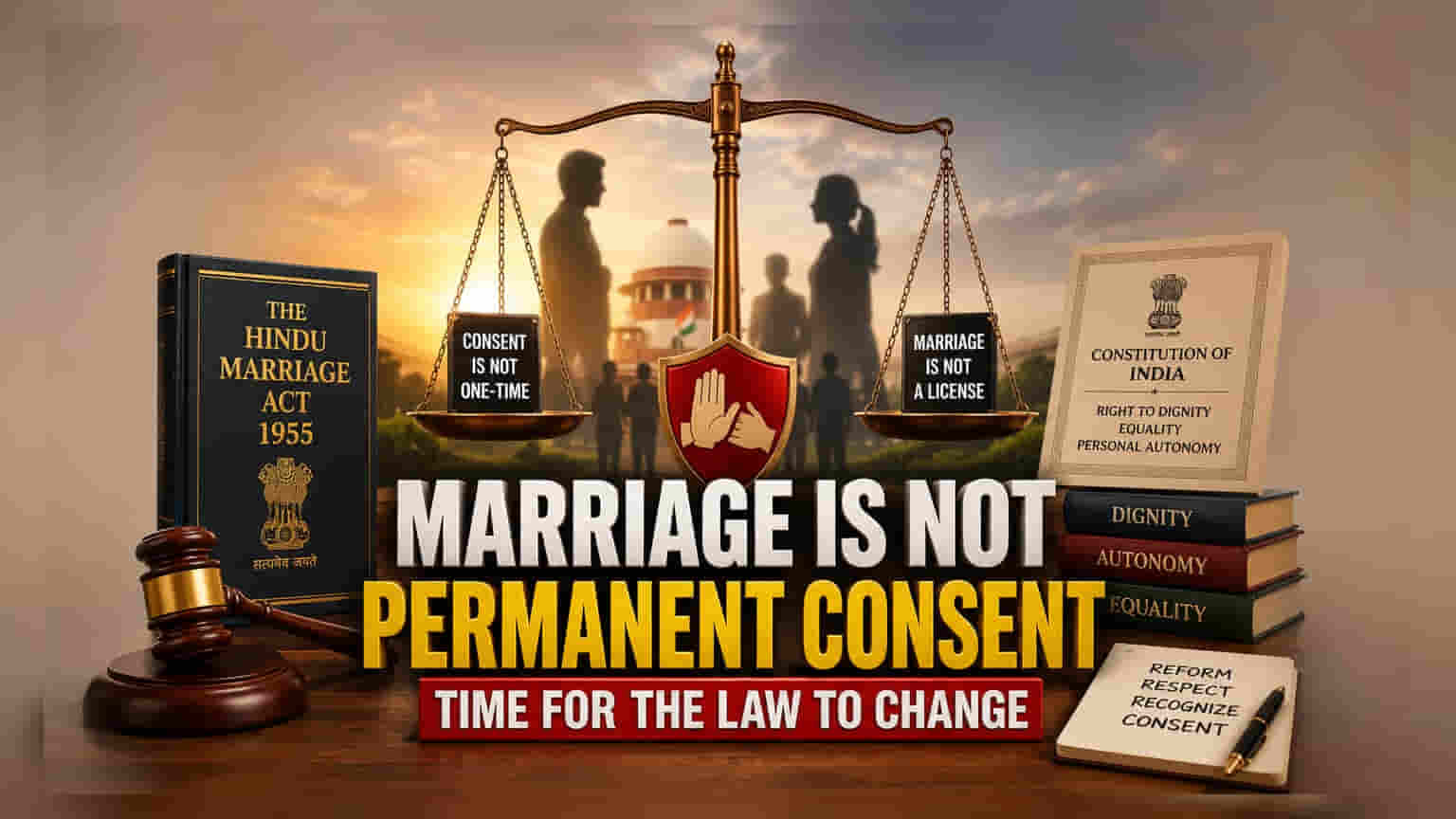


Indian marriage laws are facing scrutiny regarding the concept of ongoing sexual consent within a marriage. Legal experts highlight that the Hindu Marriage Act, 1955, focuses primarily on consent at the time of the wedding, leaving a gap in addressing personal autonomy after the ceremony. Recent court observations suggest a shift in legal perspectives, sparking discussions on the need for legislative reform to align with modern constitutional rights.
What Happened
Recent legal discourse in India has centered on the limitations of the Hindu Marriage Act, 1955, specifically regarding how it handles sexual consent within a marriage. The law currently treats consent as a one-time event that occurs at the wedding. While the Act provides protections against fraud or force at the time of the marriage, it does not explicitly recognize a spouse's right to withdraw or withhold consent for sexual intimacy after the wedding has taken place.
The Legal Gap
Under Section 12 of the Hindu Marriage Act, a marriage can be declared voidable if it was obtained through force or fraud, or if one party is considered incapable of consummation due to physical or psychological reasons, often described as impotency. However, the law does not view the lack of consent to consummate as an independent ground for legal separation or annulment. This creates a challenging situation where spouses may struggle to seek legal relief when their personal autonomy is not respected, as courts generally require evidence of medical incapacity or pre-existing fraud to intervene.
Judicial Perspectives and Societal Context
The judiciary has shown an evolving understanding of these issues. Some recent observations by the Gujarat High Court have acknowledged that marriage does not imply an automatic, permanent grant of sexual consent. These judicial comments reflect a growing recognition that individual dignity and bodily autonomy should be upheld within matrimonial relationships. Despite this, courts have historically been cautious. In many instances, allegations of non-consensual consummation have been dismissed because they did not fit into the existing legal categories of medical incapacity or pre-marriage fraud.
Societal expectations often complicate these legal matters. In various communities, pressure to comply with marital duties remains high, and the lack of clear legal protections can make it difficult for individuals to assert their rights without facing significant social or personal backlash. Critics argue that current legal interpretations may unintentionally reinforce traditional views that prioritize the status of the marriage over the individual rights of the spouses.
The Path Forward
Legal experts are advocating for reforms to modernize matrimonial laws. One potential path involves amending the current framework to explicitly include non-consent to consummation as a valid ground for voidable marriage. Another approach involves a broader judicial interpretation of existing terms like 'cruelty' or 'force' to better encompass instances where marital consent is violated. The goal of these proposals is to shift the legal view of marriage from a contract with static obligations to a partnership between free individuals where consent remains dynamic and inviolable.
What Observers Are Monitoring
Legal and social analysts are closely watching for further judicial precedents and potential legislative amendments that might address these gaps. The key focus remains on how the Indian legal system will balance traditional family structures with contemporary constitutional standards of equality and personal dignity. Future developments in this area will likely depend on continued judicial engagement and broader public debate regarding the interpretation of matrimonial rights in the modern era.