 Whalesbook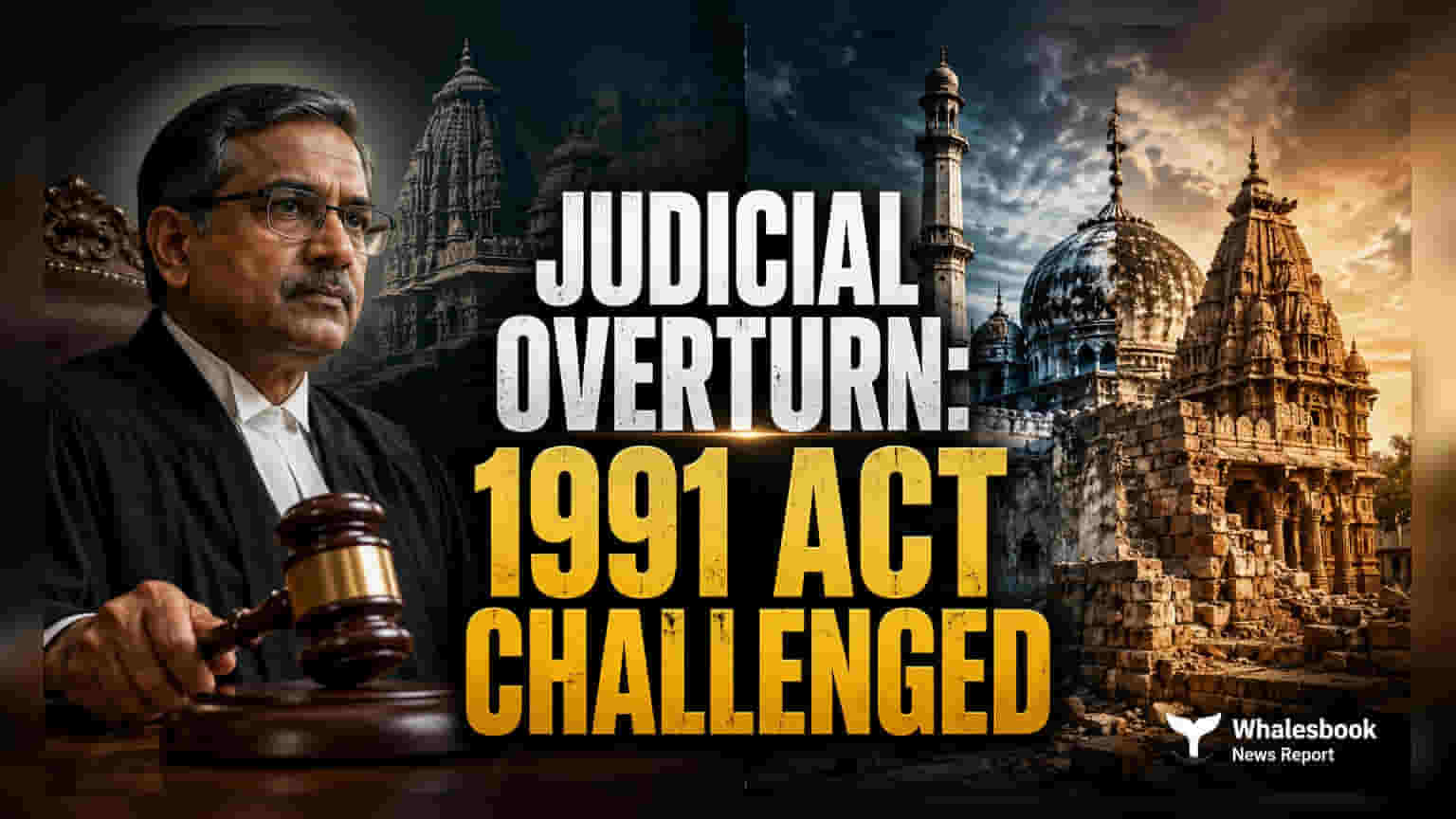


Judicial Trend Challenges 1991 Religious Places Act
Recent judicial decisions in India are raising questions about the effectiveness of the 1991 Places of Worship Act. This law was intended to freeze the religious status of all sites as they were on August 15, 1947, aiming to prevent new claims over historical sites. However, a growing trend of court rulings appears to be bypassing its intent, leading to concerns about national stability and the judiciary's role in mediating deep-seated historical and religious conflicts. This divergence in legal interpretation could create a fragmented approach to managing India's heritage sites.
Key Court Decisions Fueling Disputes
The Madhya Pradesh High Court's ruling concerning the Bhojshala-Kamal Maula mosque marks a significant development. The court declared the structure a Hindu temple and allowed Muslim worshippers to seek alternative land. This decision effectively prioritizes a historical religious claim over the site's established status, echoing the legal strategy used in the Ram Janmabhoomi-Babri Masjid case. Critics fear this could encourage numerous other claims across India, leading to more litigation and heightened communal tensions.
Meanwhile, the Allahabad High Court's focus on non-vegetarian food waste in the Ganga River, while granting bail, has drawn criticism. The court's emphasis on potential offense to Hindu religious sentiments has been seen by some as overlooking broader environmental concerns. This approach could lead to a piecemeal strategy for environmental protection and further public division.
Risks to Social Fabric and Investment
The judiciary's willingness to entertain historical claims that could contravene the 1991 Places of Worship Act poses a risk to India's social harmony. The Act was enacted to prevent the relitigation of past grievances and promote national unity. Rulings that appear to circumvent its provisions might embolden certain groups and lead to continuous legal challenges. This judicial approach could inflame existing disputes, creating social and political instability that might discourage investment and affect economic growth.
Future Outlook
Judicial interpretations of the 1991 Places of Worship Act will be closely watched. Any further rulings that challenge the Act's core principles could increase social friction and lead to more legal battles over religious sites. The long-term communal harmony and the legal framework for heritage sites in India depend on consistent and principled application of existing laws by the judiciary.