 Whalesbook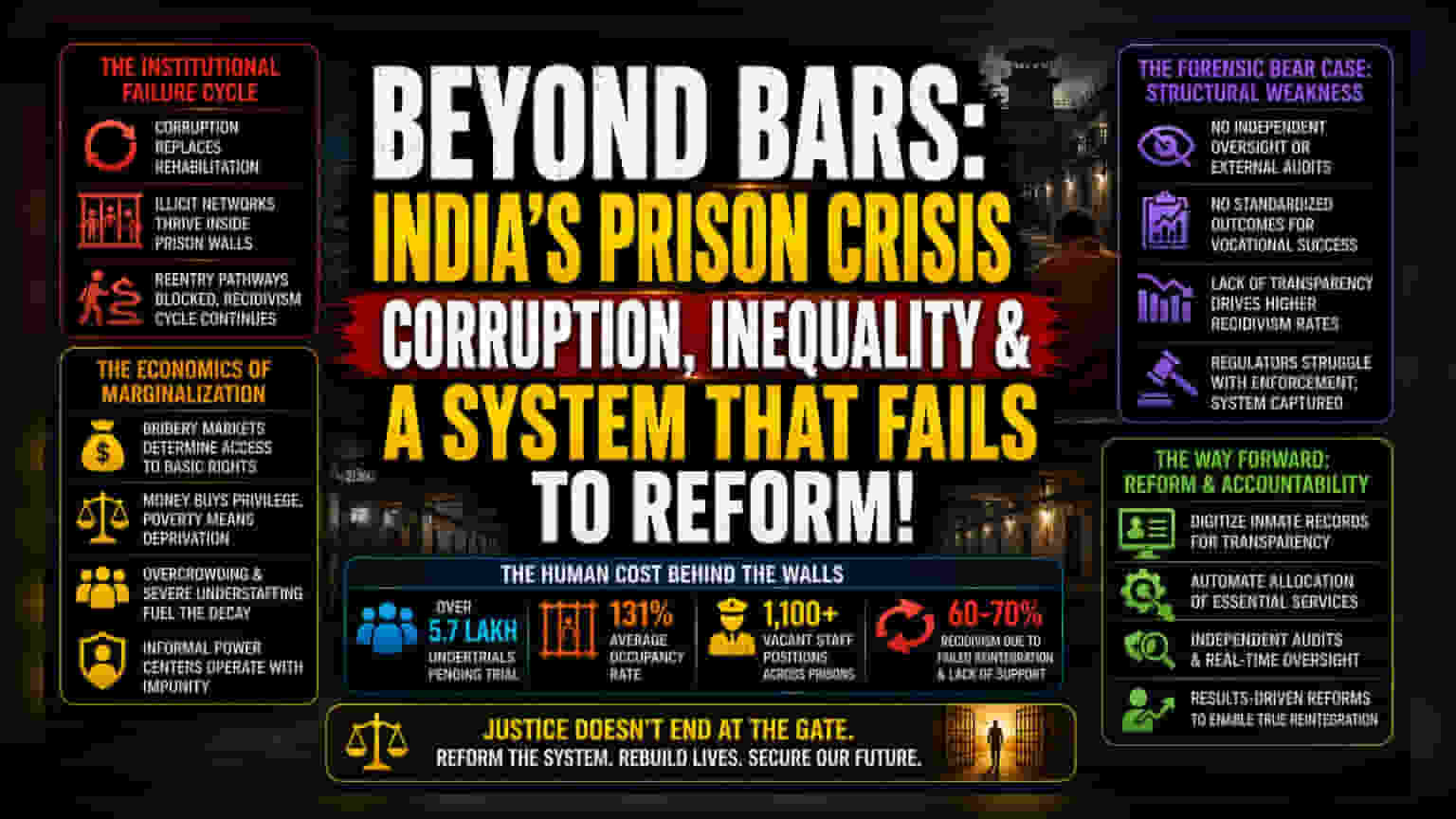


The Institutional Failure Cycle
The reliance on correctional facilities as a mechanism for social re-entry faces an existential threat as internal governance structures collapse under the weight of pervasive malfeasance. Investigations indicate that the transition from incarceration to rehabilitation is being actively obstructed by a shadow economy operating within prison walls. This environment forces inmates into survival modes where illicit networking replaces vocational training, effectively negating the state’s constitutional obligation to provide a pathway toward reform.
The Economics of Marginalization
Financial disparity dictates the quality of life behind bars, creating a stark divide that mirrors broader social inequalities. Inmates lacking the capital to navigate the informal bribery markets face systematic deprivation, while those with influence maintain access to resources that exacerbate the power imbalance. This administrative failure is not merely a breach of human rights protocols but an operational deficiency that destroys the rehabilitative intent of the system. Overcrowding and severe understaffing serve as the technical drivers of this decay, allowing informal power centers to usurp official authority and operate with near-total impunity.
The Forensic Bear Case: Structural Weakness
The primary danger lies in the total absence of external oversight mechanisms. Without independent auditing, the correctional apparatus remains prone to institutional capture. The current model fails to implement standardized, measurable outcomes for vocational success, leaving the system vulnerable to persistent recidivism. Historical data shows that when corrective facilities operate without transparent resource allocation, the probability of successful reintegration drops significantly. Regulatory agencies continue to struggle with enforcement, as internal mechanisms are too compromised to offer meaningful reform from within.
Future Outlook and Policy Implications
Moving forward, the focus must shift toward digitizing inmate records and automating the allocation of essential services to mitigate the reliance on human-intermediated bribery. Absent a fundamental overhaul of administrative oversight, the system will continue to generate significant downstream costs for law enforcement and society. Brokerage reports on public sector governance suggest that until transparency benchmarks are met, the justice system will struggle to regain public confidence or fulfill its core legal mandate.