

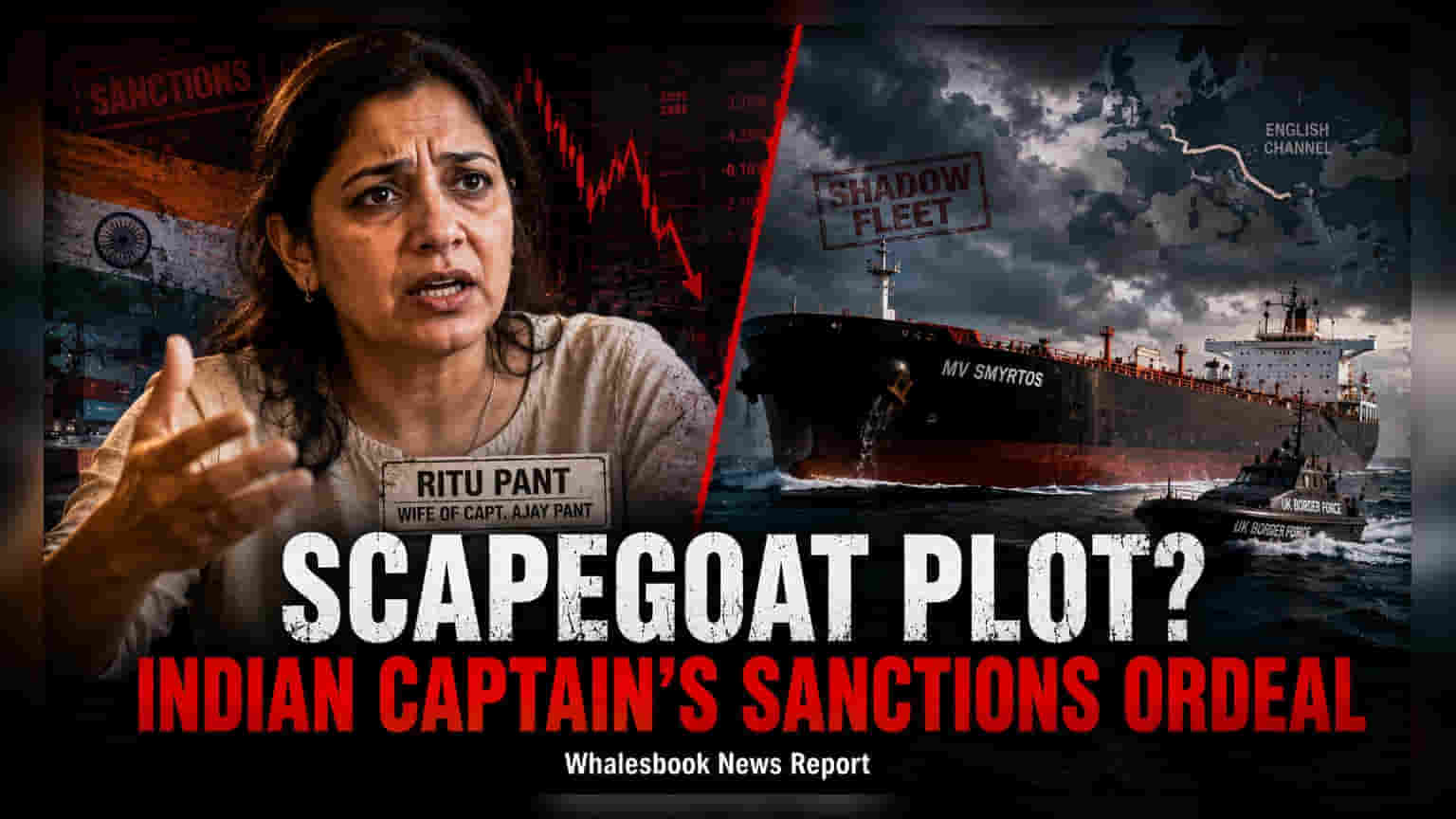
Ritu Pant, the wife of Indian merchant navy Captain Ajay Pant, has stated her husband is being unfairly targeted in a high-profile UK sanctions case. Detained since June 14, 2026, Captain Pant faces charges connected to the oil tanker 'Smyrtos', which authorities allege was part of a shadow fleet. With his trial scheduled for December, the case is drawing attention for its potential impact on individual legal liability for mariners in geopolitical disputes.
The detention of Indian merchant navy Captain Ajay Pant in the United Kingdom has emerged as a significant legal development for the global shipping industry. Captain Pant, 38, has been in judicial custody since June 14, 2026, following the interception of his vessel, the oil tanker MV Smyrtos, by British authorities in the English Channel. His wife, Ritu Pant, recently broke her silence to the media, asserting that her husband is being made a scapegoat in a complex geopolitical situation.
Charges and Legal Proceedings
British authorities, led by the National Crime Agency, allege that the MV Smyrtos was part of a so-called shadow fleet—a network of vessels that often operate with opaque ownership and insurance structures to bypass sanctions. Prosecutors claim the tanker was transporting prohibited Russian oil, a direct violation of UK sanctions imposed following the invasion of Ukraine. Captain Pant faces serious charges that could carry a maximum prison sentence of up to ten years. He has been denied bail, with courts citing concerns over flight risk.
While the other 24 crew members of the vessel were repatriated, Captain Pant remains the only individual charged. His legal team is preparing for a pre-trial motion to dismiss the charges, scheduled for November 12, 2026. The main trial is set to commence on December 15, 2026.
Implications for the Maritime Industry
This case is attracting international attention because it represents a potentially landmark shift in how sanctions are enforced against the maritime workforce. Historically, enforcement actions have typically targeted the vessel owner, the operator, or the insurance provider. By bringing criminal charges against an individual captain, the UK's prosecution could set a precedent that exposes seafarers to personal criminal liability for operational decisions they may have limited control over.
Supporters and family members argue that captains like Pant are often merely following the orders of ship owners and have little visibility into the complex financial or ownership structures that might be violating international sanctions. The defense contends he was at the wrong place at the wrong time. As the case progresses, maritime unions and industry observers are closely monitoring the proceedings to see if this marks a new era of individual accountability for merchant mariners operating in disputed or high-risk waters.