

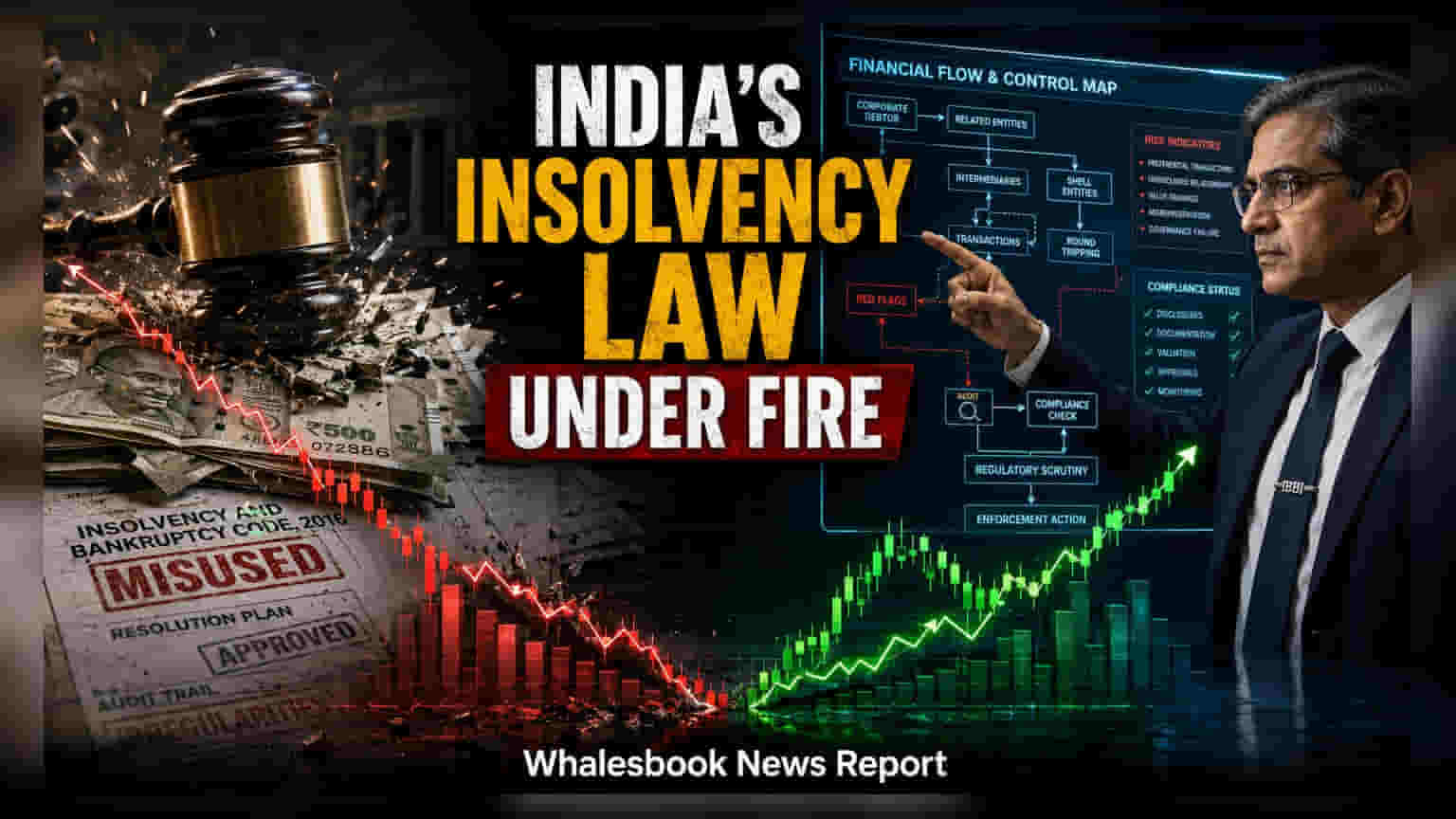
The Insolvency & Bankruptcy Board of India (IBBI) has released a discussion paper to prevent the misuse of insolvency laws. The proposal asks professionals to flag suspicious activities, such as shell company structures or related-party transactions, to the NCLT. Public comments are invited until August 24, 2026.
The Insolvency & Bankruptcy Board of India (IBBI) is tightening its grip on the Corporate Insolvency Resolution Process (CIRP). On August 14, 2026, the regulator released a discussion paper outlining specific red flags for insolvency professionals to spot potential abuse of the law. This move comes amid concerns that the insolvency framework is sometimes used to settle private disputes, avoid statutory taxes, or hide assets from creditors rather than for genuine business resolution.
The proposed framework introduces nine specific warning signs that professionals must report to the National Company Law Tribunal (NCLT). These include companies that have negligible operations, negative net worth, or are essentially shell structures. The board is also focused on instances where insolvency is initiated by a single large creditor, potentially bypassing the interests of other stakeholders.
Other red flags mentioned in the proposal include companies with significant loans or transactions with related parties, which could indicate attempts to siphon off assets or manipulate the debt structure. Instances where management refuses to cooperate, or where auditors are unable to verify assets due to missing records, are also marked for scrutiny.
This initiative is significant for investors and creditors, as it aims to protect the integrity of the insolvency process. For companies undergoing or entering insolvency, this implies a higher level of scrutiny. If the proposed rules are adopted, insolvency professionals will need to perform more in-depth due diligence, which may increase the time taken for the resolution process. While this aims to improve recovery for genuine creditors, it could also lead to more litigation in the NCLT as cases deemed malicious or fraudulent are challenged.
The IBBI has invited public comments on these proposed guidelines until August 24, 2026. Market participants and legal experts are expected to watch how these rules are finalized, as they could shift the balance of power in insolvency proceedings and discourage entities from using the bankruptcy framework as a shield against regulatory action or to evade statutory liabilities.