

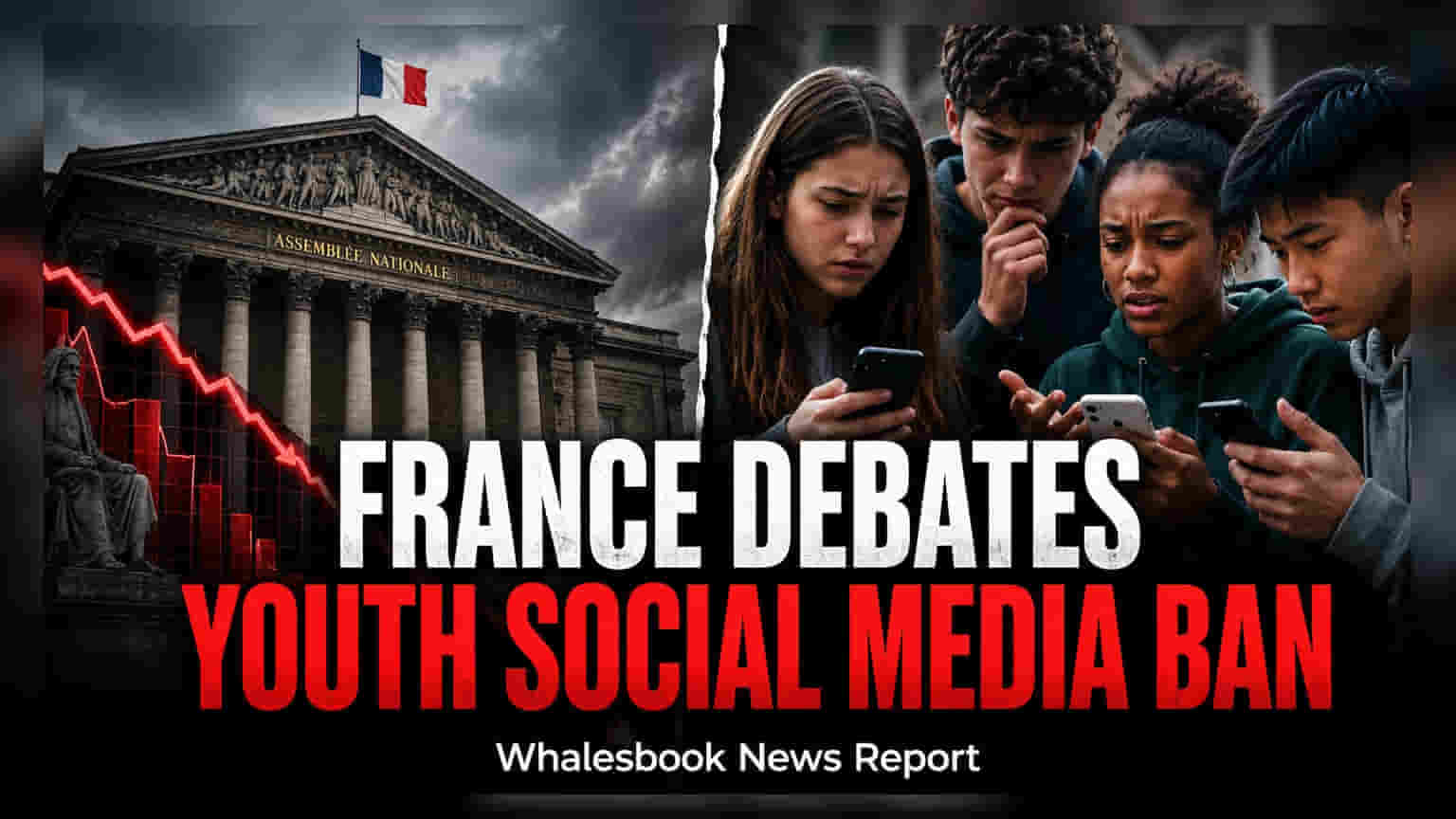
France is debating a social media ban for children under 15, aiming to align with global safety trends seen in Australia and Indonesia. The initiative faces significant technical hurdles in implementing secure age verification while protecting user privacy and complying with strict EU data regulations.
Detailed Coverage
France’s legislative move to restrict social media access for individuals under 15 represents a significant shift in digital policy. While the proposal aims to protect younger users, it creates a complex environment for global technology companies operating within the European Union. Similar to legislative trends in Australia, where social media access for minors is being heavily regulated, France is tasked with balancing platform responsibility against user privacy.
The Challenge of Digital Verification
The most pressing hurdle for this potential law is the technology required to confirm a user's age without infringing on data privacy rights. While submitting official identification like a passport is a standard verification method, it presents risks regarding the storage of sensitive personal information. Furthermore, these documents can be easily misused by minors. As a result, French authorities are looking toward third-party services that utilize a double anonymity framework. These services act as an intermediary, confirming a user’s age to a platform like Instagram or TikTok without sharing the user's specific identity or government records.
AI and EU Digital Integration
France is also monitoring the progress of the upcoming EU digital wallet, which plans to incorporate age verification features. By using cryptography known as zero-knowledge proofs, this system aims to verify that a user meets an age requirement without revealing their actual date of birth or other personal identifiers. In addition to government-backed tools, private sector solutions are under review. Companies like Meta have explored partnerships with startups such as Yoti, which uses AI to estimate age from a selfie. While these AI tools provide a fast user experience, their reliability in distinguishing accurate age groups and potential for bias remain points of contention. Any implementation of these technologies must strictly adhere to the General Data Protection Regulation, the EU's comprehensive data privacy law.
Industry Impact and Behavioral Monitoring
For social media platforms, this potential regulation could necessitate a fundamental change in how they manage their user base. Currently, most platforms rely on self-reported ages during account creation or automated behavioral monitoring to identify underage users. For example, TikTok has reported removing hundreds of thousands of accounts in France identified as belonging to under-13s through such monitoring. Investors in the technology sector may monitor how these platforms adapt to potentially stricter compliance costs. Increased regulatory oversight regarding data mining and age verification could pressure operating margins if companies are forced to overhaul their moderation infrastructure or integrate new, expensive third-party verification services. The ultimate feasibility of the ban will depend on whether France can finalize a verification method that is both secure enough to satisfy regulators and privacy-focused enough to avoid legal challenges under existing European law.