

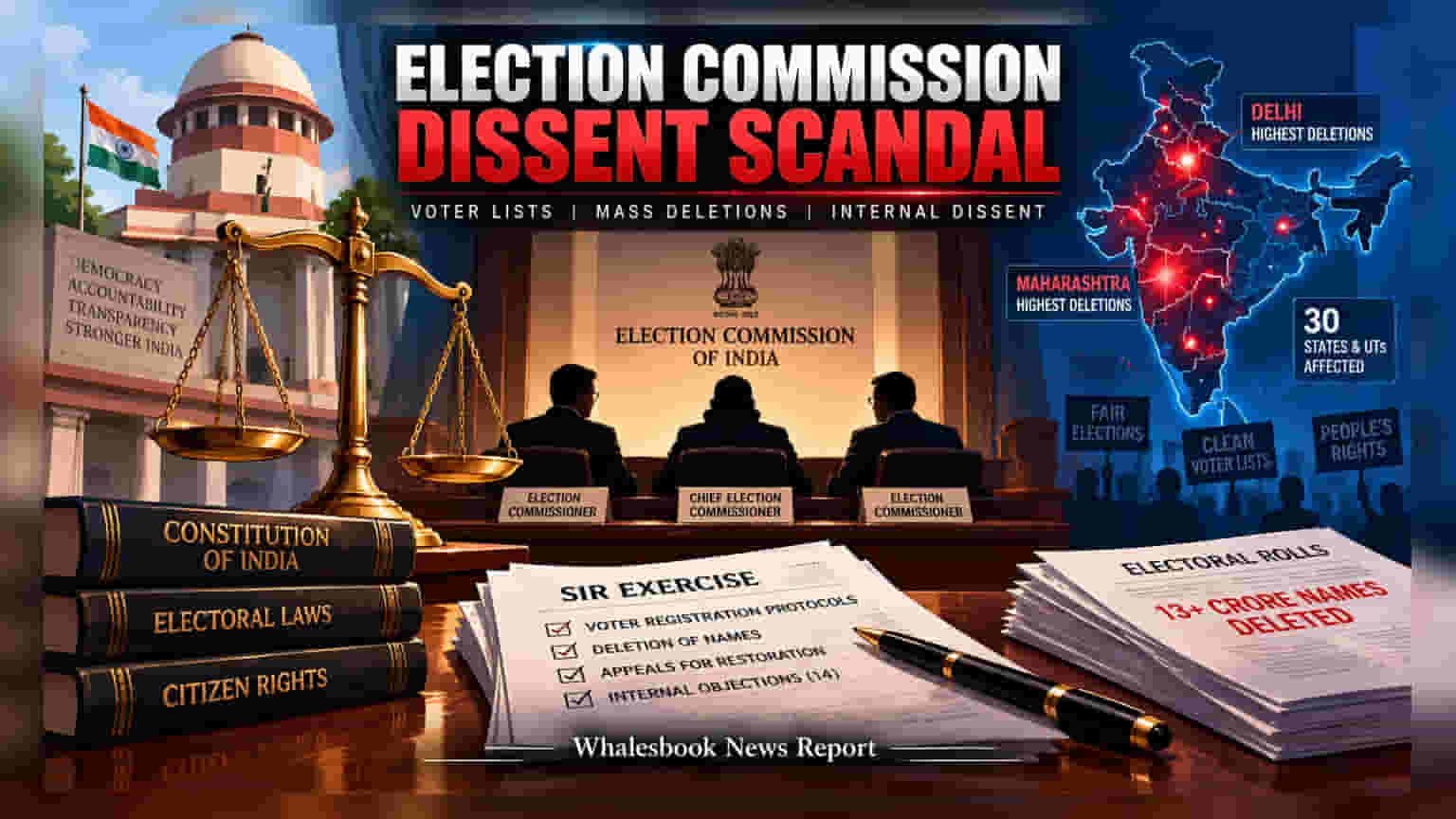
The Election Commission of India is witnessing internal friction as two commissioners have raised 14 objections regarding a nationwide voter roll revision. With over 13 crore names removed, political leaders are seeking Supreme Court intervention. Investors are monitoring the situation for potential impacts on institutional stability and regulatory predictability.
Institutional friction has surfaced within the Election Commission of India (ECI), drawing attention from market participants and political observers alike. Reports indicate that Election Commissioners Sukhbir Singh Sandhu and Vivek Joshi have formally recorded 14 separate objections concerning the conduct of the Special Intensive Revision (SIR) exercise conducted over the past 10 months. This internal discord highlights significant disagreements regarding voter registration protocols, the systematic process of removing names from electoral rolls, and the handling of appeals for restoration.
The scale of the revision exercise has been substantial, with data indicating that more than 13 crore names have been deleted across 30 states and Union Territories. Regions such as Delhi and Maharashtra have reported the highest volumes of these deletions, which has triggered concerns among political stakeholders regarding the methodology and oversight of the purging process. The ECI has yet to provide a comprehensive response to the specific nature of these internal objections or address the public concerns regarding the transparency of the SIR initiative.
From an institutional perspective, stability and the integrity of constitutional bodies are foundational to the predictability of the regulatory environment in India. While the primary impact of this development lies within the democratic and administrative sphere, market participants generally monitor the stability of key institutions to gauge macro-level governance risks. Any perception of persistent internal instability within critical regulatory bodies can influence investor sentiment regarding the long-term consistency of administrative and legal processes in the country.
Political leaders, including Samajwadi Party leader Akhilesh Yadav, have publicly urged the Supreme Court to initiate a suo motu inquiry, citing threats to electoral integrity. Simultaneously, Congress Member of Parliament Manish Tewari has alleged that administrative decisions may be subject to external influences. As these allegations and demands for judicial oversight gain momentum, the focus shifts to how the ECI addresses these internal disagreements. For observers, the key monitorable remains any official clarification from the Commission or intervention from the judiciary, which would provide clarity on the operational status and governance standards of the body moving forward.