

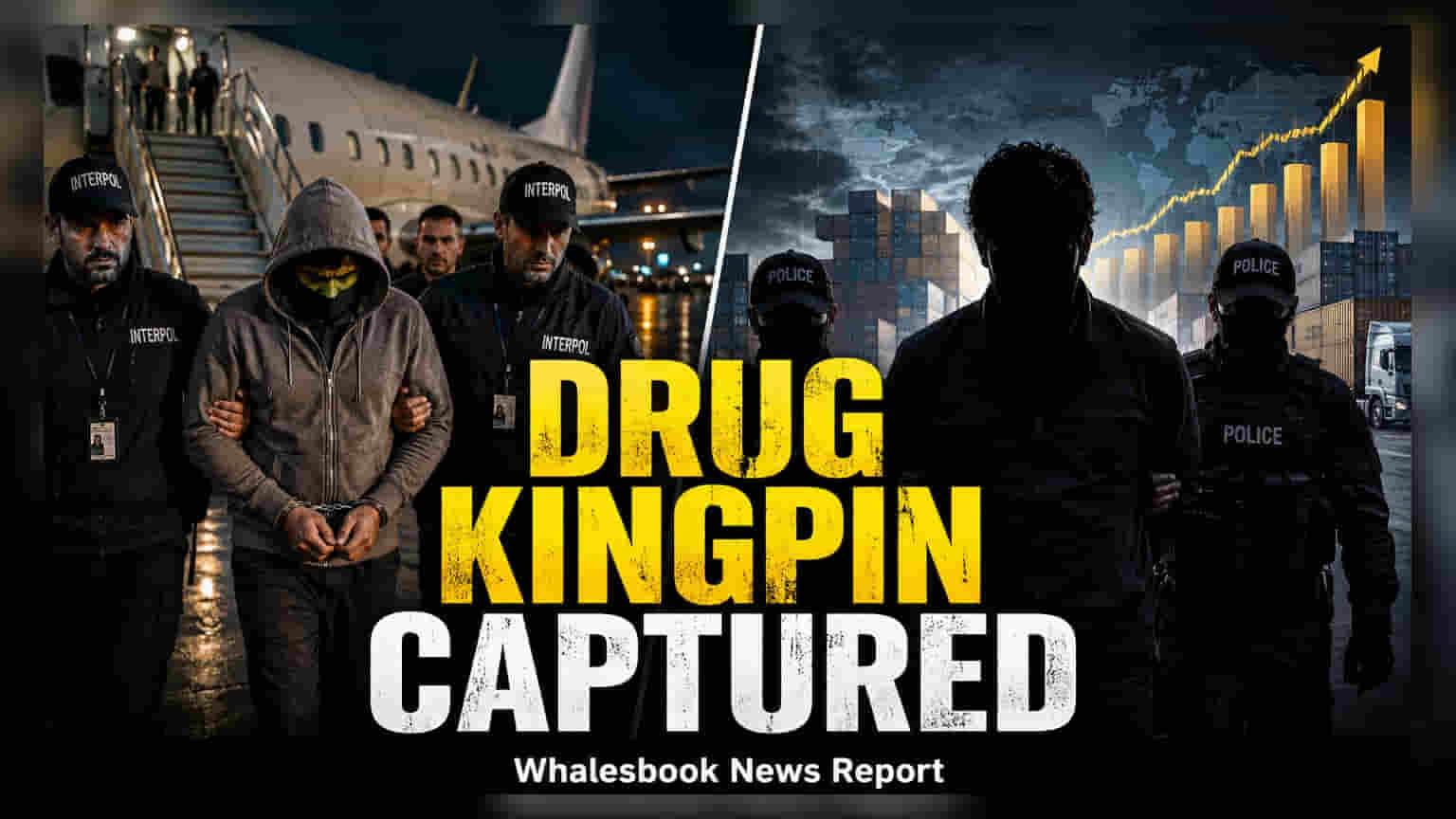
The Narcotics Control Bureau has successfully extradited drug kingpin Virendra Singh Basoya from the UAE to India. Basoya is a primary accused in a Rs 13,000 crore drug trafficking case that allegedly misused logistics networks. While the investigation highlights supply chain risks, it involves private, unlisted entities and does not impact any publicly traded companies.
The Narcotics Control Bureau (NCB) has officially secured the extradition of Virendra Singh Basoya from the United Arab Emirates (UAE). Basoya, a central figure in a massive narcotics trafficking investigation, was brought back to India on August 14, 2026, to face charges. He is a primary accused in a case involving the seizure of illicit substances estimated to be worth Rs 13,000 crore.
The Logistics Network Investigation
According to federal authorities, the investigation into this network uncovered that criminal syndicates were allegedly using logistics and transport firms to mask the movement of illegal substances. The investigation found that narcotics were disguised as legitimate commercial cargo to bypass security checks and enforcement agencies. This mode of operation has led authorities to scrutinize the involvement of several entities, including a private firm identified in reports as Delta Logistics.
Clarification for Investors
It is important for investors to note that Delta Logistics (India) Private Limited, which has been named in the context of this investigation, is a private, unlisted entity. There is no link between this company and any publicly traded logistics or shipping firms listed on the National Stock Exchange (NSE) or the Bombay Stock Exchange (BSE).
Market participants should be cautious regarding potential confusion with similarly named companies. Misinformation regarding the involvement of listed entities in such criminal matters can lead to unnecessary stock volatility. Investors should verify the details of any company involved in news reports before linking such events to publicly traded stocks.
Regulatory Scrutiny in the Logistics Sector
While this case involves private entities, it highlights a broader trend of increased regulatory scrutiny within the Indian logistics sector. Enforcement agencies are intensifying their focus on supply chain compliance to prevent the misuse of cargo channels for illegal activities.
Logistics companies may face stricter background checks, more rigorous cargo scanning requirements, and enhanced Know Your Customer (KYC) norms for freight forwarding services. While these measures aim to improve safety and security, they could lead to higher compliance costs for firms operating in the logistics and warehousing space. The key monitorable for the industry will be whether authorities introduce new, mandatory compliance frameworks that could impact operational turnaround times or increase administrative expenses for legitimate logistics operators.