

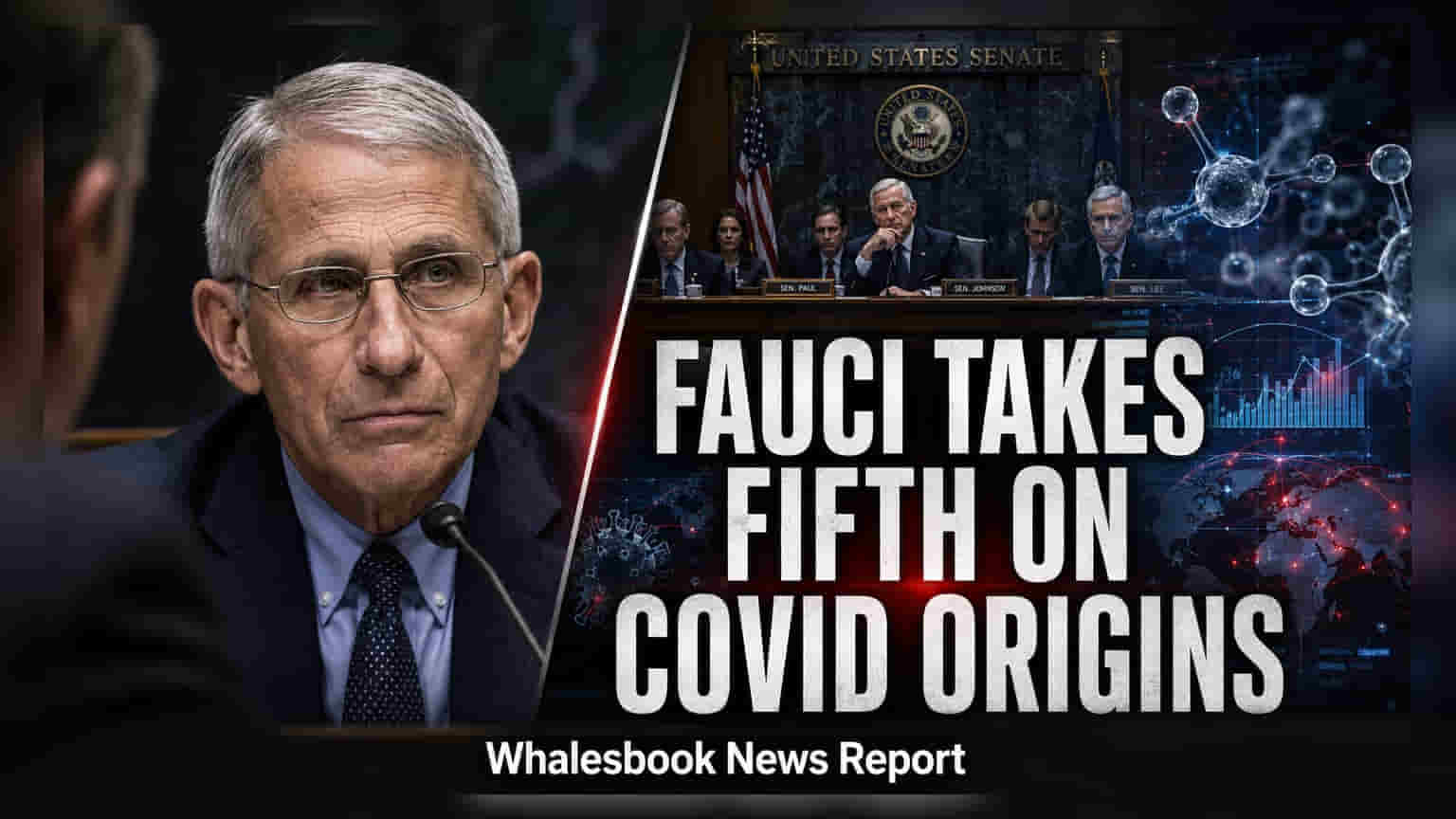
Dr. Anthony Fauci exercised his Fifth Amendment right against self-incrimination during a Senate committee hearing regarding his role in the COVID-19 pandemic. The move marks an escalation in ongoing tensions with Republican lawmakers over pandemic response policies and the virus's origins.
Dr. Anthony Fauci, the former director of the National Institute of Allergy and Infectious Diseases, declined to answer questions during a Senate committee hearing on Wednesday. By invoking the Fifth Amendment, which protects individuals from self-incrimination, Fauci refused to provide testimony concerning his leadership during the COVID-19 pandemic and his previous statements regarding the virus's origin.
Conflict Over Pandemic Origins and Testimony
The hearing was marked by a sharp confrontation between Fauci and Senator Rand Paul, who has consistently questioned the handling of pandemic-era policies. Senator Paul has been a vocal proponent of the laboratory leak hypothesis, which suggests that the virus may have originated from research conducted in China. In contrast, many in the scientific community continue to support the theory of natural transmission from animals to humans.
At the center of the dispute is the funding provided by the National Institutes of Health (NIH) to the EcoHealth Alliance. This organization collaborated with Chinese researchers to study bat coronaviruses. While Senator Paul and his supporters have raised concerns about whether this research involved high-risk gain-of-function experiments, Fauci has maintained that the studies did not involve work capable of creating the virus that caused the pandemic.
Evidence and Controversy
Ahead of the testimony, Senator Paul released a collection of private diary entries written by Fauci during his time in office. Paul argued that these documents show inconsistencies between Fauci’s internal deliberations and his public communications. These revelations have intensified criticism from those who opposed the government-mandated lockdowns, mask requirements, and other public health restrictions implemented during the pandemic.
Fauci, through his legal representative David Schertler, has described these accusations as baseless. Meanwhile, a group of over 150 infectious disease experts has publicly supported Fauci, asserting that the claims lack scientific evidence and characterizing the investigation as politically motivated.
Broader Implications
This hearing underscores the persistent political and scientific divide surrounding the COVID-19 era. While lawmakers remain focused on investigating the origins of the virus and the validity of public health decisions, the scientific community largely remains divided on the best approach to resolving these questions. The primary concern for observers moving forward is how this continued legal and political scrutiny will influence future funding for international scientific research and the government's approach to global health crises.