

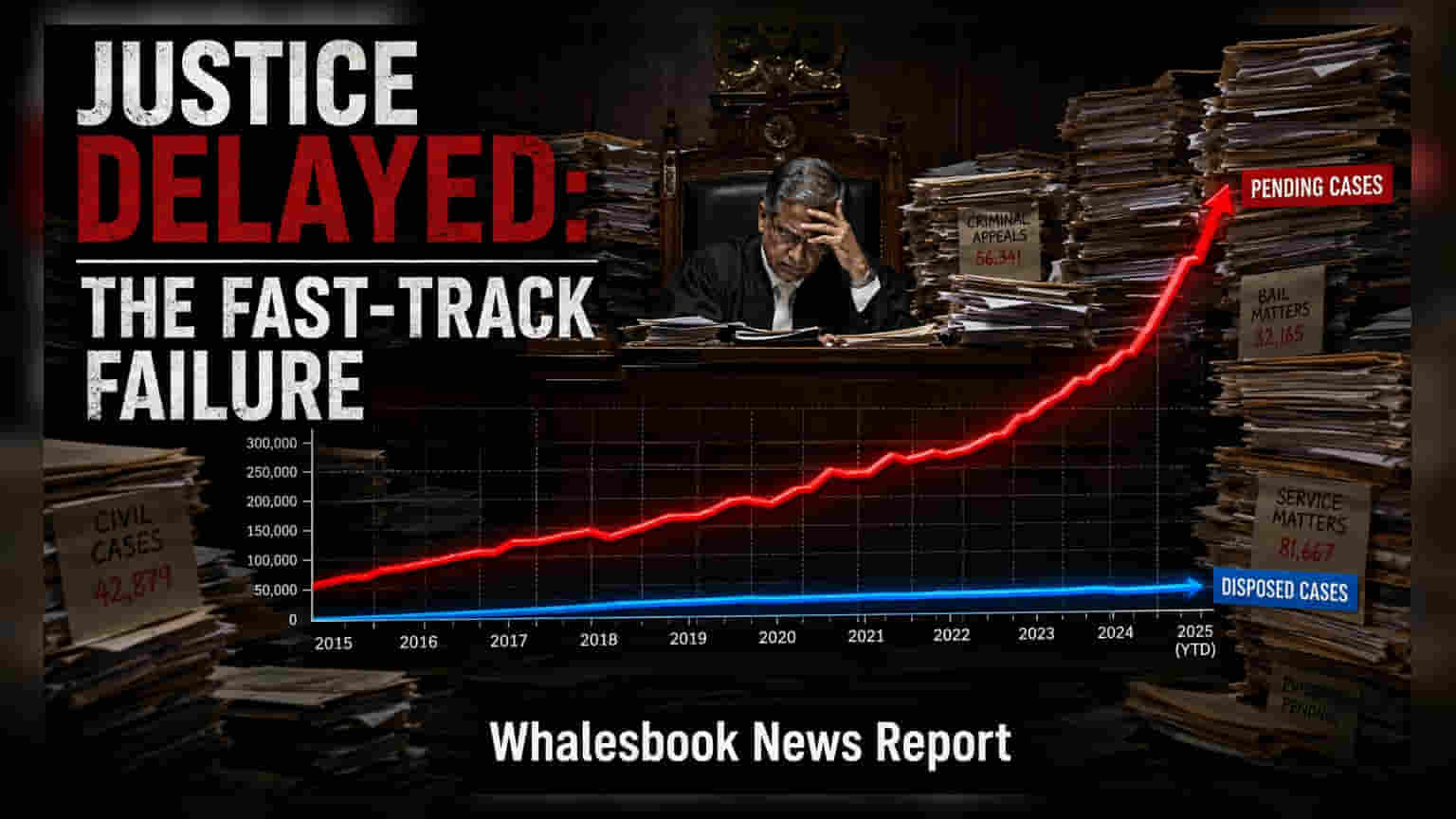
The Delhi High Court has designated a new fast-track court to handle cases under the Public Examinations (Prevention of Unfair Means) Act, 2024. While this move aims to speed up trials, data shows that such courts often reorder existing backlogs rather than reducing them without increased overall judicial capacity. Investors and stakeholders should monitor whether these special tracks effectively clear cases or merely shift them.
The Delhi High Court has established a specialized fast-track court in July 2026 to exclusively manage offenses related to the Public Examinations (Prevention of Unfair Means) Act, 2024. This action is designed to ensure that trials under the new legislation proceed within mandated timelines. However, the move highlights a broader debate within the Indian legal system regarding the effectiveness of creating separate, expedited tracks for specific categories of litigation.
Challenges in Judicial Efficiency
Experience with similar initiatives suggests that creating specialized courts without expanding the overall number of judges often results in a reallocation of judicial resources rather than a net increase in productivity. In any system involving a backlog of cases, simply prioritizing one set of issues can lead to delays in other areas. The history of judicial reform in India, including the Eleventh Finance Commission's efforts in 2000 to fund additional courts, indicates that long-term reduction in pendency relies heavily on increasing the actual capacity of the judiciary, such as filling judicial vacancies and improving supporting infrastructure like forensic laboratories.
Historical Context and Performance
Data from past implementations, such as the 2001 fast-track court scheme, shows that while initial efforts successfully disposed of millions of cases, the subsequent withdrawal of funding in 2011 led to a decline in effectiveness. Furthermore, the performance of current Fast Track Special Courts remains inconsistent across different regions, with some jurisdictions reporting clearance rates that are insufficient to significantly impact total case backlogs. Analysts often point out that without transparent data on per-judge disposal times and a focus on procedural bottlenecks—such as delays in evidence collection—the impact of these special courts may remain limited.
Implications for Legal Reform
Legal experts suggest that true reform requires a structured, multi-pronged approach rather than reliance on ad-hoc, case-specific courts. This includes implementing principled rules for case prioritization as required under Article 14 of the Constitution, ensuring that the right to a speedy trial remains a universal entitlement rather than a privilege for specific case types. For observers of the legal landscape, the key monitorable will be the actual disposal rate of these new courts and whether the government introduces measures to permanently expand judicial service capacity, rather than maintaining temporary, special tracks that may not provide a sustainable solution to systemic delays.