

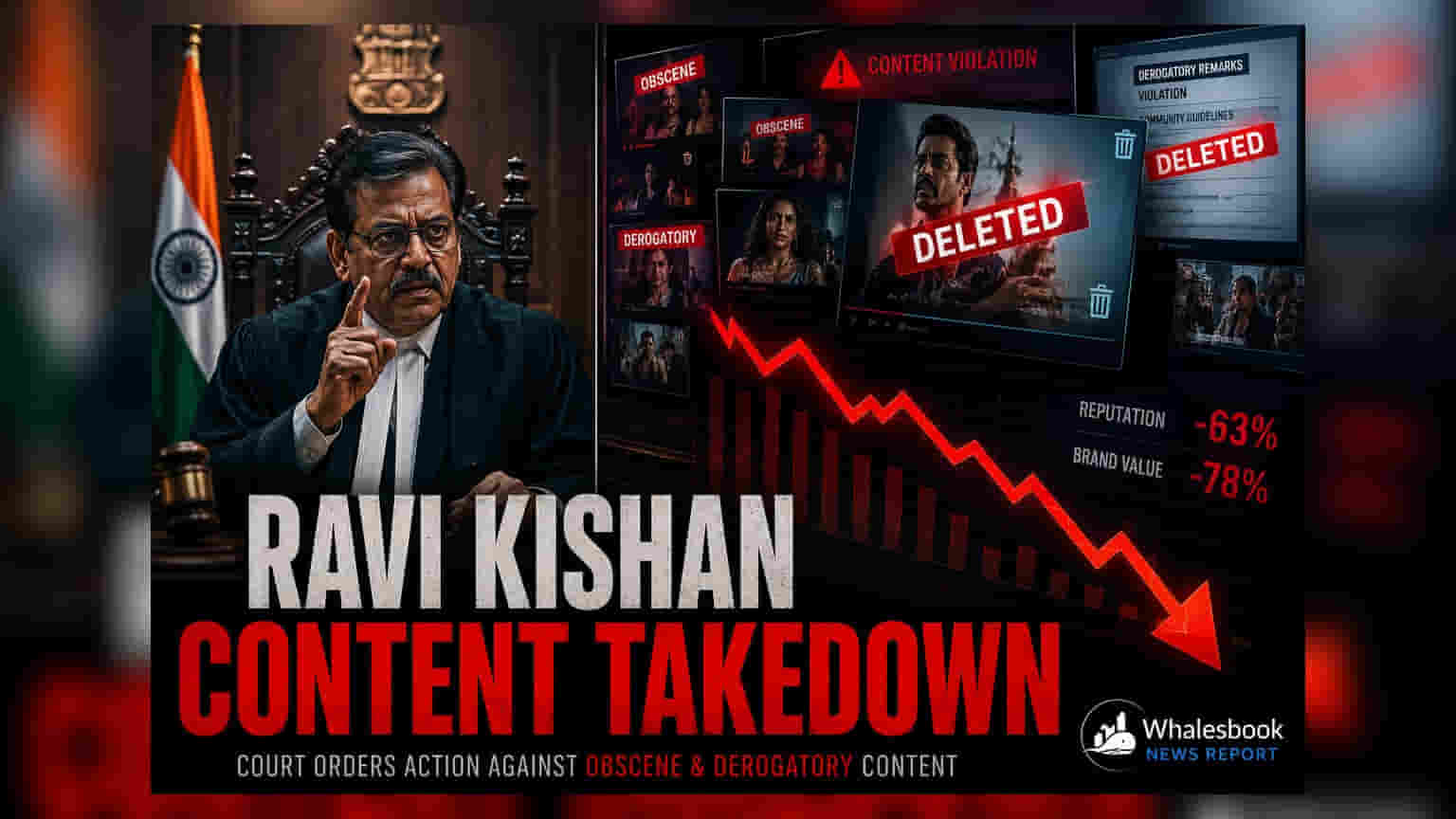
The Delhi High Court is set to issue an interim order directing social media platforms and other defendants to remove obscene and AI-generated content targeting actor-politician Ravi Kishan. The court ruled that the unauthorized use of his likeness violated his personality rights. This case highlights the growing legal challenges regarding digital content moderation and AI-driven impersonation in India.
What Happened
The Delhi High Court has decided to pass an interim order directing the removal of derogatory and obscene content targeting actor and politician Ravi Kishan. Justice Jyoti Singh, who is hearing the case, stated that the court would mandate social media intermediaries and other involved parties to take down the flagged material. This directive is part of a legal suit filed by Kishan, who sought to protect his personality rights—the legal right of an individual to control the commercial use of their name, image, and likeness.
Why This Matters For Personality Rights
The case centers on the unauthorized use of Kishan’s identity for both commercial gain and the creation of offensive material. The actor-politician argued that his celebrity status was being exploited to drive traffic to specific websites without his consent. A key part of the petition involves the misuse of AI technology to create pornographic content and other disparaging material. This legal battle is a significant example of how courts are addressing the misuse of public figures’ identities in the age of generative AI, where technology can easily create fake images or videos that look like real people.
Platform Accountability
The court’s upcoming order is expected to hold intermediaries accountable. Specifically, Google will be required to remove web links to the flagged content if the original uploader fails to delete the material within one week of receiving the order. Additionally, the plea highlighted the unauthorized commercial use of Kishan’s name and likeness in a radio segment titled 'What is Love with Kavi Kishan' on Ishq 104.8 FM, which included an AI-generated video. The court’s intervention underscores the increasing pressure on media and digital platforms to police their content against unauthorized impersonations and commercial exploitation.
The Growing Challenge of AI and Content
For investors and market observers, the case reflects a broader trend regarding legal risks for technology and media companies. As courts become stricter about the protection of personality rights and the moderation of AI-generated content, digital intermediaries face higher compliance burdens. Companies that host user-generated content are increasingly finding themselves in legal disputes involving deepfakes, copyright violations, and defamation. The ability of platforms to effectively monitor and remove such content is becoming a key operational and regulatory risk.
What Investors Should Track
The next hearing is scheduled for October 15. The outcome of this case will be important for understanding how Indian courts interpret the liability of social media intermediaries and media entities when AI is used to impersonate public figures. Investors may watch for further legal precedents that define the balance between free speech, platform responsibility, and the protection of individual rights in the digital space.