

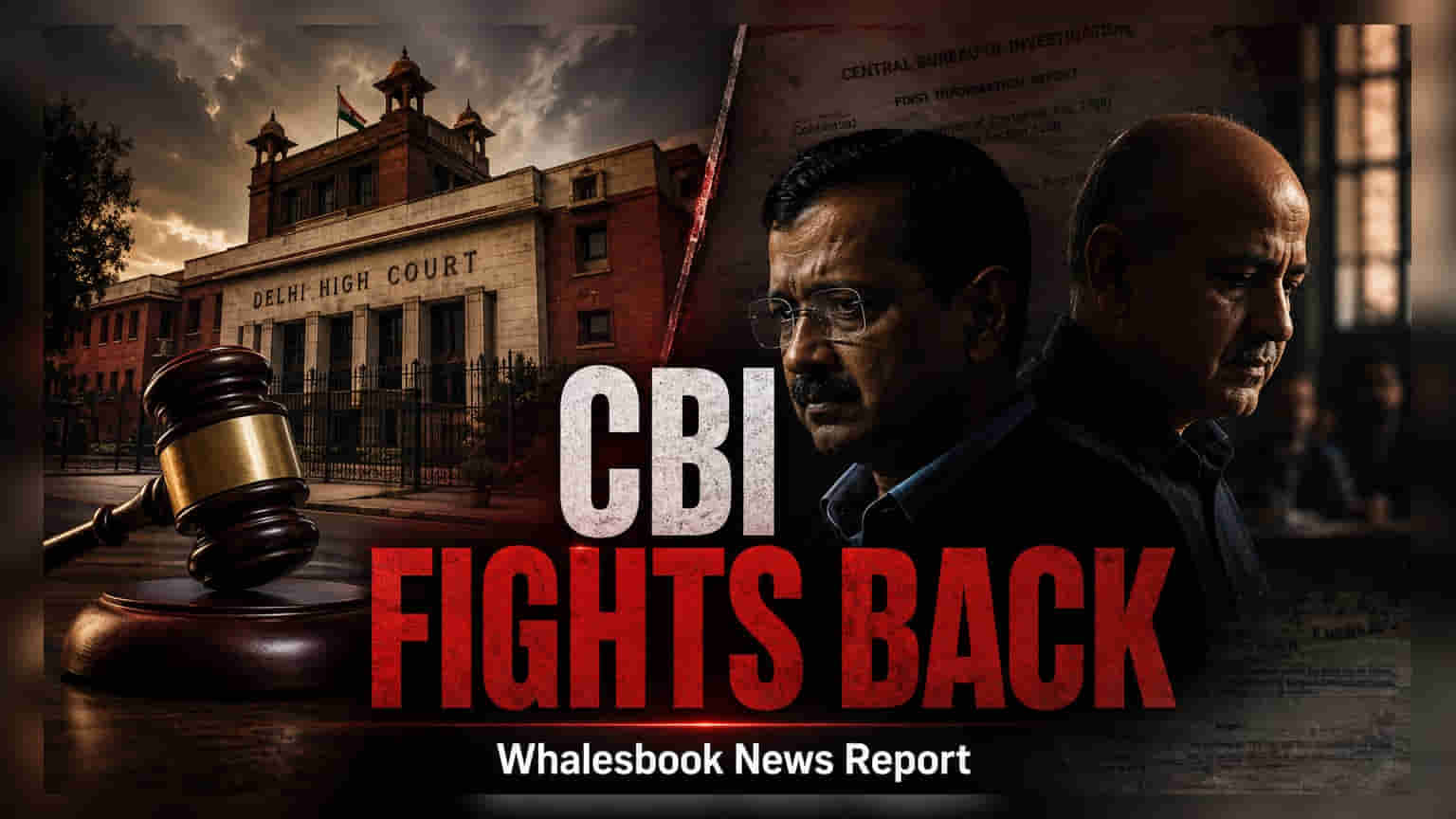
The Delhi High Court is hearing the Central Bureau of Investigation's challenge to the February 2026 trial court order that discharged former Delhi Chief Minister Arvind Kejriwal and Manish Sisodia in the liquor policy case. The leaders have filed applications seeking the dismissal of the plea, raising concerns over procedural haste. This legal matter remains a significant update for governance and policy stability.
The Delhi High Court is set to hear the Central Bureau of Investigation's (CBI) petition challenging the trial court’s February 27, 2026, decision to discharge former Delhi Chief Minister Arvind Kejriwal, former Deputy Chief Minister Manish Sisodia, and 21 others in the high-profile Delhi excise policy case. The hearing, scheduled for Monday, August 17, 2026, marks the next step in this long-running legal battle.
Justice Manoj Jain is presiding over the proceedings. The central issue before the court involves the CBI's revision petition, which seeks to overturn the trial court's earlier order that found no prima facie case against the accused. The trial court had previously stated that the prosecution's case had been discredited in its entirety after a detailed review of the evidence.
In response to the CBI's move, Arvind Kejriwal and Manish Sisodia have filed separate applications urging the High Court to dismiss the agency's petition. The defense argues that the petition is not maintainable. A key point raised by the AAP leaders is the timing of the CBI's challenge, which they describe as being filed with "unprecedented haste" within four hours of the initial discharge order. They contend that the agency failed to identify any specific legal error or "perverse" finding in the trial court's extensive 500-page judgment, arguing instead that the CBI is attempting to re-examine evidence in a way that exceeds the scope of a revision petition.
Conversely, the CBI has characterized the trial court's discharge order as "patently illegal" and "perverse." The agency asserts that the trial court's decision was based on a flawed process that effectively turned the charge-framing stage into a "mini-trial," where evidence was selectively reviewed, and unwarranted comments were made against the investigating authority.
While this event involves significant legal and political implications, it is distinct from corporate or financial market news. There is no direct impact on the stock prices of listed entities or financial market operations, as the case concerns the personal legal standing of government officials and specific public policy matters. For stakeholders monitoring governance and institutional stability in the region, the next important update will be the High Court's decision on the maintainability of the CBI's plea and whether the legal proceedings against the discharged individuals will be reopened.