

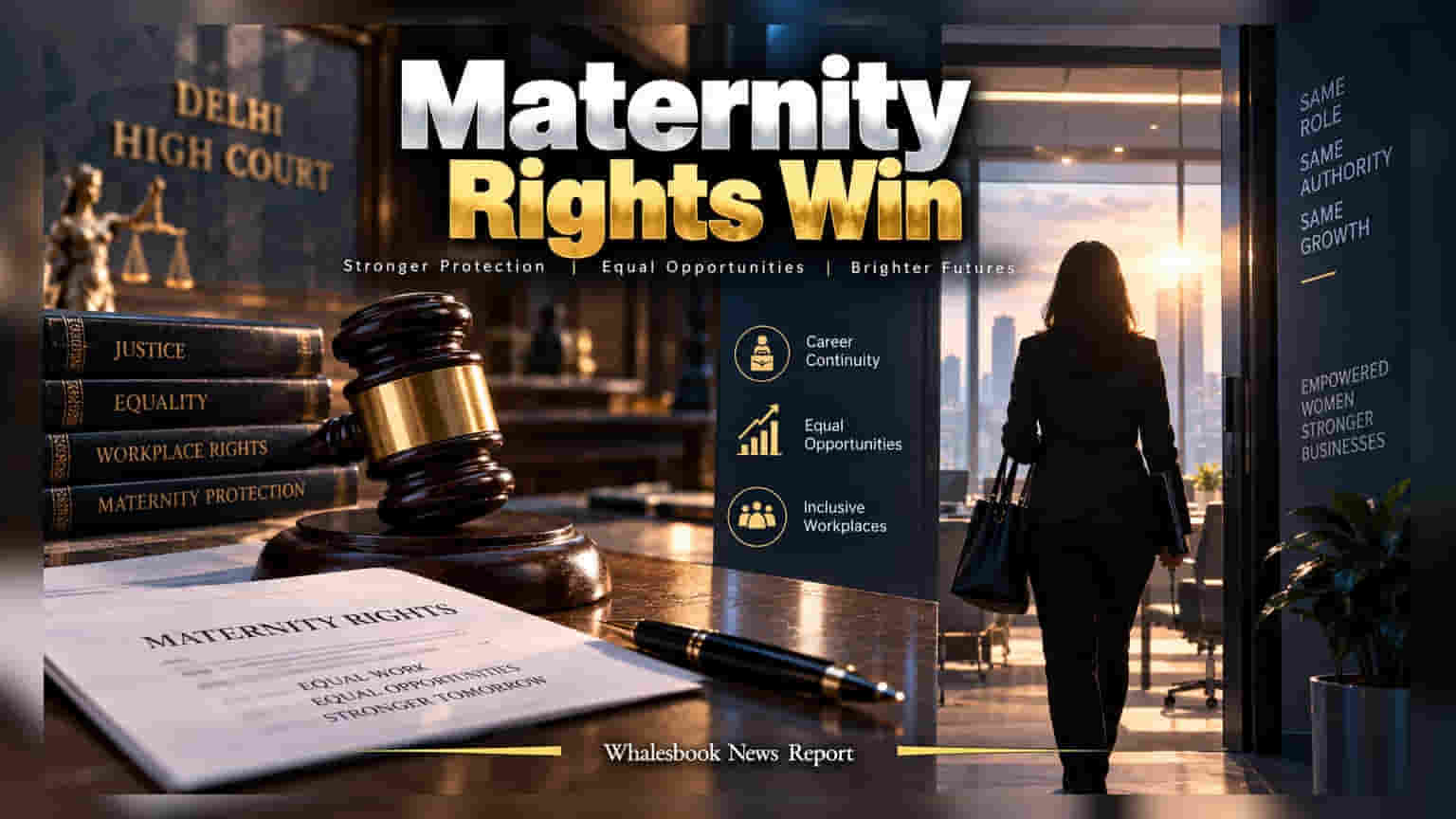
The Delhi High Court has ruled that private employers must restore employees returning from maternity leave to their original, equivalent roles, rather than just keeping their salary and title. This judgment, involving Rs 10 lakh compensation, sets a new compliance standard for corporate India. It forces companies to review HR policies to avoid potential litigation and reputational risk, while the government prepares new workplace reintegration rules.
On August 31, 2026, the Delhi High Court delivered a landmark ruling that significantly changes how private companies must handle employees returning from maternity leave. The court clarified that statutory protection for new mothers is not limited to keeping their salary and job title intact. Instead, employers are legally obligated to restore them to roles with comparable authority, decision-making powers, and career advancement prospects.
This judgment stems from a case where an employee was sidelined into a role with no supervisory authority after returning from leave, despite her seniority and pay remaining unchanged. The court rejected the employer's argument that keeping the salary constant fulfilled the legal requirement, calling such an approach a "hollow formality." The court ordered Rs 10 lakh in compensation to be paid to the petitioner, highlighting the financial and legal risks companies face if they fail to provide genuine role restoration.
Implications for Corporate Compliance
For investors and corporate boards, this ruling elevates the importance of internal HR practices and governance. Historically, some private firms have faced criticism for "cosmetic compliance," where returning mothers are kept on the payroll but stripped of their meaningful responsibilities. This judicial move signals that courts will now look beyond the contract and examine the actual day-to-day duties assigned to the employee.
Companies may now need to conduct internal audits of their post-maternity reintegration programs to ensure they align with the court’s definition of substantive equality. Failing to do so could lead to increased legal costs, potential compensation claims, and reputational damage. As Environmental, Social, and Governance (ESG) standards become more critical for long-term valuation, maintaining fair and transparent maternity policies is increasingly tied to a company’s broader operational risk management.
Next Steps and Regulatory Outlook
The ruling also carries a broader regulatory directive. The Delhi High Court has instructed the central government to frame comprehensive rules under the Code on Social Security, 2020, within the next six months. These expected rules will likely define the parameters for workplace accommodations and establish specific authorities to address complaints regarding career retaliation. Investors and management teams should monitor these upcoming guidelines, as they will define the formal compliance framework for the entire private sector. Future quarterly reports or sustainability disclosures from companies may reflect shifts in how these workplace benefits and career protections are implemented to avoid litigation risks.