

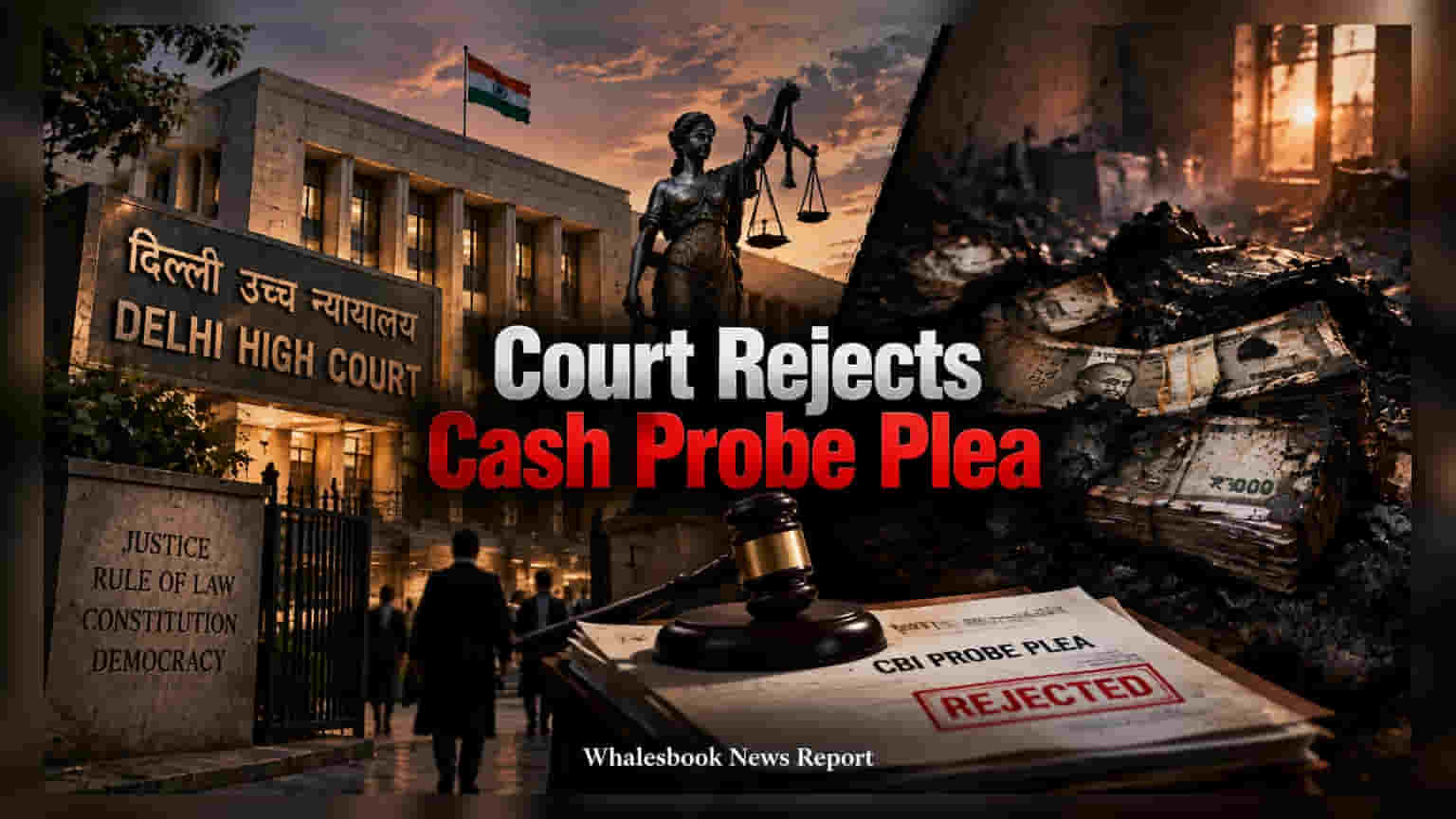
The Delhi High Court has rejected a request for a central investigation into a cash scandal involving former judge Yashwant Varma. The court stated the petitioner failed to follow proper legal procedures, such as first approaching local police. This case stems from a March 2025 incident where unexplained currency was found at the former judge's residence, eventually leading to parliamentary inquiries and his resignation.
The Delhi High Court has dismissed a petition seeking a Central Bureau of Investigation (CBI) probe into the financial conduct of former judge Yashwant Varma. Justice Amit Bansal, who presided over the matter, rejected the plea, noting that the petitioner had bypassed the appropriate legal channels required for such complaints.
The court described the attempt as a "wild witch hunt," emphasizing that citizens must first exhaust standard legal remedies. This involves approaching local police or a competent magistrate to initiate inquiries before requesting intervention from central investigative agencies. This decision follows a similar dismissal of a related plea by the Supreme Court in August.
The controversy originated in March 2025 following a fire at Yashwant Varma’s residence in Lutyens' Delhi. During emergency operations, fire officials discovered a large amount of unexplained currency. This discovery triggered significant public and judicial scrutiny. Shortly after the event, Varma was transferred to the Allahabad High Court, and he subsequently resigned from his judicial position on April 9, 2025.
Prior to his resignation, the matter was subject to parliamentary investigation during impeachment proceedings. The report from these proceedings stated that the allegations against the former judge were substantiated. The findings highlighted the presence of unexplained cash, concerns regarding the handling of evidence, and inadequate explanations provided by the judge at the time. While the Lok Sabha had begun the removal process, these legislative actions were closed following Varma’s resignation.
This ruling reinforces the procedural standards required within the Indian legal system. By insisting that petitioners follow the standard route through local law enforcement, the court aims to ensure that investigations are conducted through established due process.