

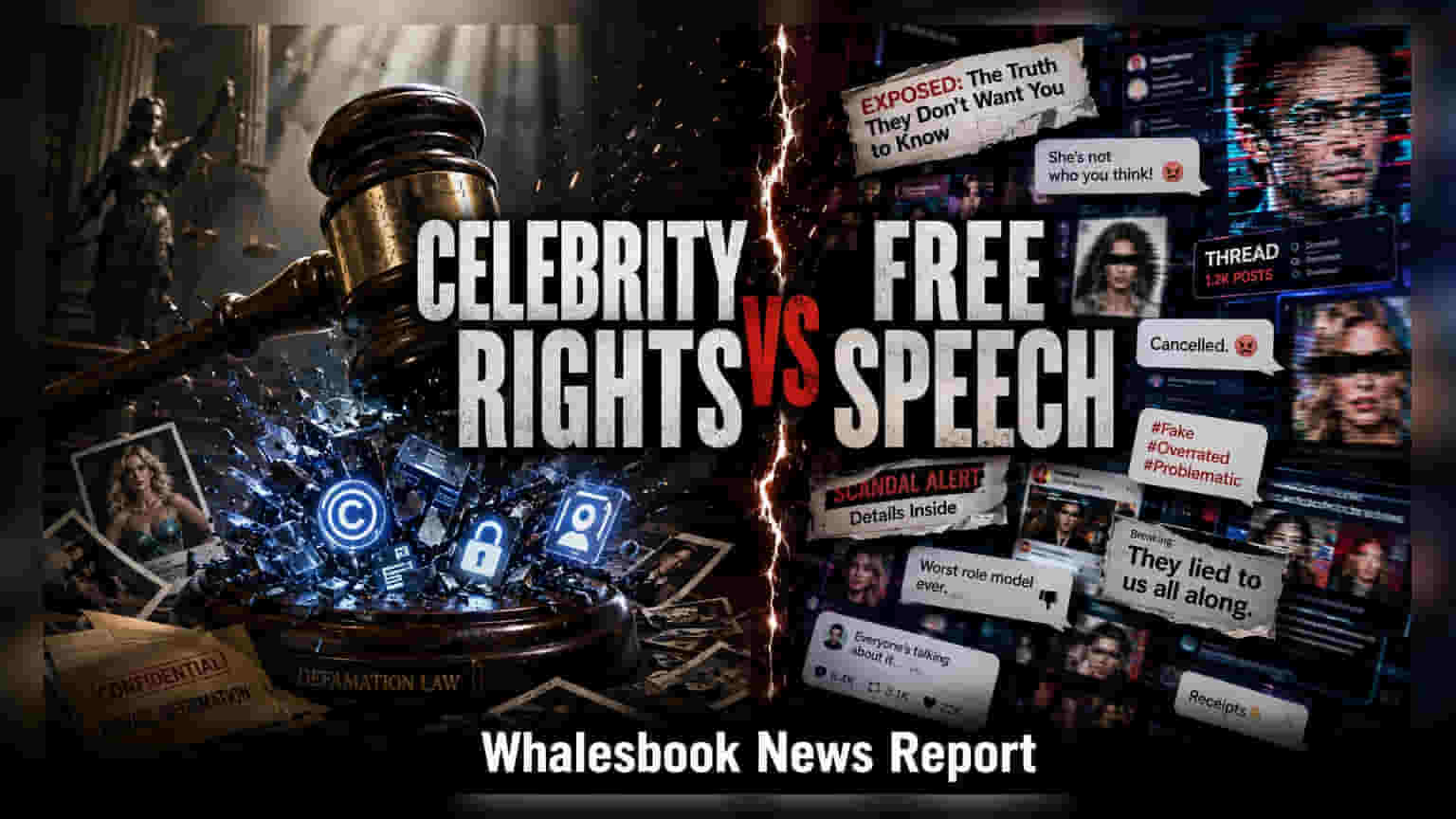
The Delhi High Court has limited the scope of 'personality rights' litigation, warning against excessive takedown demands for online content. In a recent hearing regarding actor Janhvi Kapoor's plea, the court refused to issue blanket injunctions. This shift marks a notable change in legal precedent, potentially easing the operational and compliance burden for digital platforms that manage content moderation in India.
The Delhi High Court has signaled a significant shift in how it handles celebrity 'personality rights' cases, moving toward judicial restraint. During a recent hearing concerning a plea by actor Janhvi Kapoor, which sought the removal of nearly 7,000 URLs, the bench led by Justice Anup Jairam Bhambhani raised alarms about the growing trend of filing broad, blanket takedown demands.
For years, public figures have successfully approached courts to secure dynamic injunctions against online content, often leading to large-scale blocks on social media and internet platforms. The court has now indicated that it will no longer support such sweeping orders. Moving forward, the judiciary will confine relief only to cases involving clear instances of obscenity or direct commercial exploitation of a celebrity's image. This change in stance suggests that courts will require more specific evidence of harm rather than allowing the use of personality rights to suppress critical commentary or fan-driven discussions.
This development is particularly relevant for digital platforms and tech intermediaries, such as Meta and other social media operators, which often face the operational challenge of enforcing these broad takedown requests. Previously, platforms had to dedicate significant resources to manually or algorithmically filter vast amounts of content under the pressure of court-mandated injunctions. A more restrictive judicial approach to granting these orders could reduce the frequency of such demands, potentially lowering the compliance and litigation burden on these companies. It also clarifies the boundary between protecting a celebrity's legal rights and preserving fundamental free speech online.
While this provides some relief to intermediaries, the legal landscape remains complex. India currently lacks a dedicated statutory law for personality rights, meaning reliance remains on common law and judicial discretion. This creates a degree of uncertainty, as the threshold for what constitutes 'commercial exploitation' versus 'legitimate scrutiny' remains subjective. Companies operating in India must continue to navigate these grey areas as the courts develop this precedent.
The court has instructed the legal teams involved to narrow their demands and provide targeted evidence for specific violations rather than seeking mass removal of content. The next hearing in the case is scheduled for August 17, which will be a key date for observing how these guidelines are applied in practice and whether other ongoing or future cases see a similar shift in judicial treatment.