

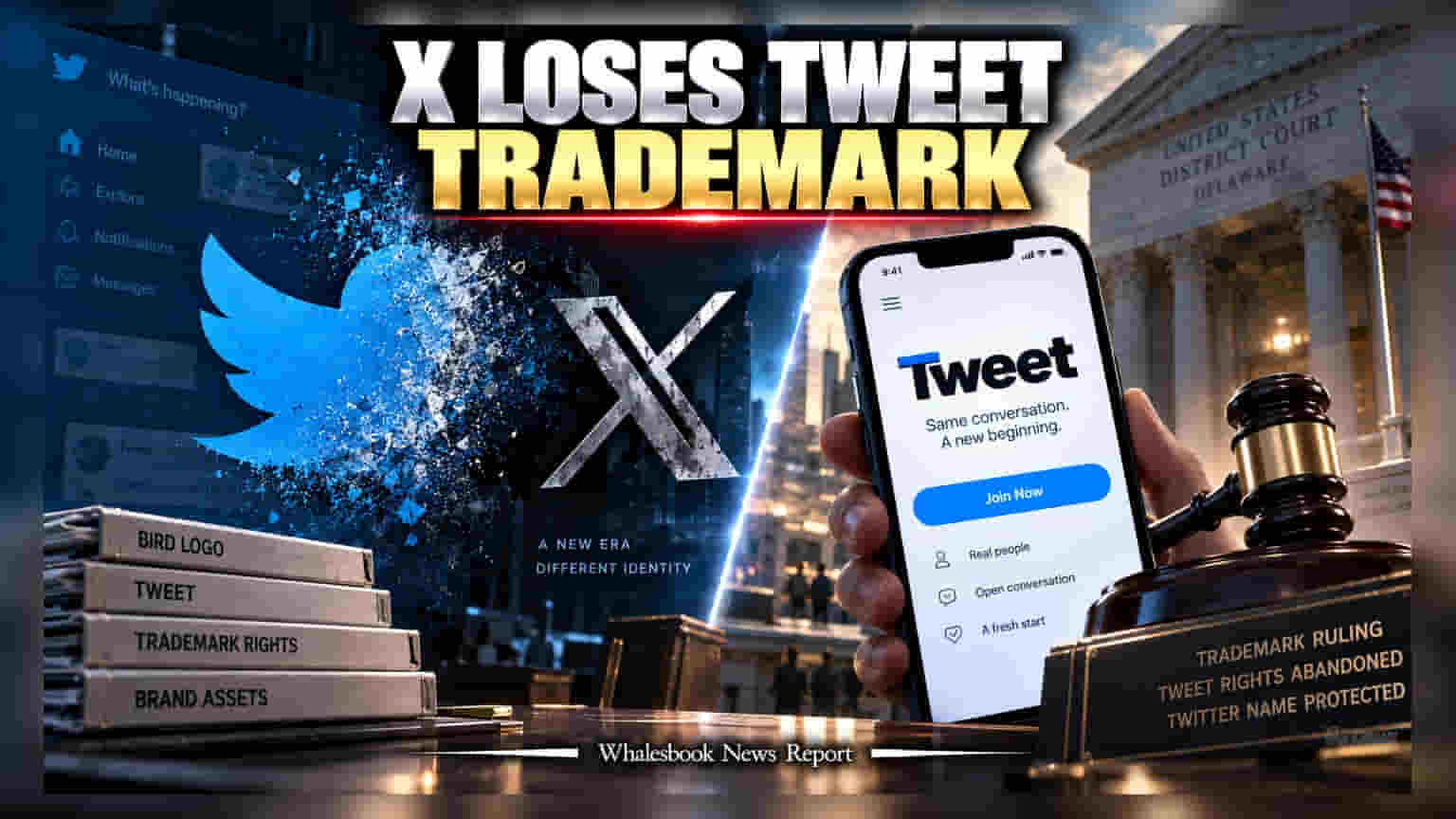
A U.S. court has ruled that X Corp likely abandoned its trademark rights to the term ‘Tweet’ and its bird logo, though it retains protection for the ‘Twitter’ brand. The decision creates a legal opening for a startup, Operation Bluebird, to use the legacy branding. This case highlights the risks companies face when aggressively abandoning established intellectual property during a corporate rebrand.
A U.S. District Court in Delaware has issued a split preliminary ruling in an intellectual property battle between X Corp. and a startup called Operation Bluebird. The court determined that X appears to have abandoned its rights to the term ‘Tweet’ and the original bird logo, which were the defining brand assets of the platform before its acquisition by Elon Musk. However, the court did grant an injunction to protect the ‘Twitter’ brand name, meaning the startup is still blocked from using that specific term.
Understanding Trademark Abandonment
The case centers on the concept of trademark abandonment. Under U.S. law, if a company stops using a trademark and shows no clear intention to use it again, it can lose its exclusive legal rights to that mark. Since X pivoted its strategy and moved away from the bird logo and the term ‘Tweet’ during its rebranding, the judge found sufficient evidence that the company had effectively discontinued its use of those assets. This preliminary decision allows the startup, Operation Bluebird, to proceed with using the ‘Tweet’ name on its platform, though the legal battle is far from over.
The Business Model of Reclaiming Assets
Operation Bluebird, which includes former Twitter employees, is attempting a unique business strategy by capturing brand assets that a larger corporation has discarded. By launching a platform now known as Tweet.app and allowing users to reserve handles, the startup is essentially trying to extract value from legacy branding. This creates a rare situation where a smaller entity is attempting to profit from the intellectual property that a major tech giant decided was no longer necessary for its future operations.
Risks and Future Implications
While this ruling is a win for the startup, it does not guarantee long-term success. The company faces significant challenges in building a competitive social network that can attract users beyond those interested in nostalgic branding. Relying on legacy names is not a substitute for a strong product, and the platform will need to prove it can function effectively and safely against established competitors. Furthermore, the startup's use of automated moderation tools remains a point of interest for users and observers.
For X, while the loss of the ‘Tweet’ trademark and bird logo does not affect its financial position as a private company, it does represent a shrinkage of its broader intellectual property portfolio. The case serves as a case study for business managers on the risks of aggressive rebranding—specifically, that discarding legacy assets can inadvertently create legal openings for competitors. The parties are expected to head into further hearings to determine the final status of these trademarks.