

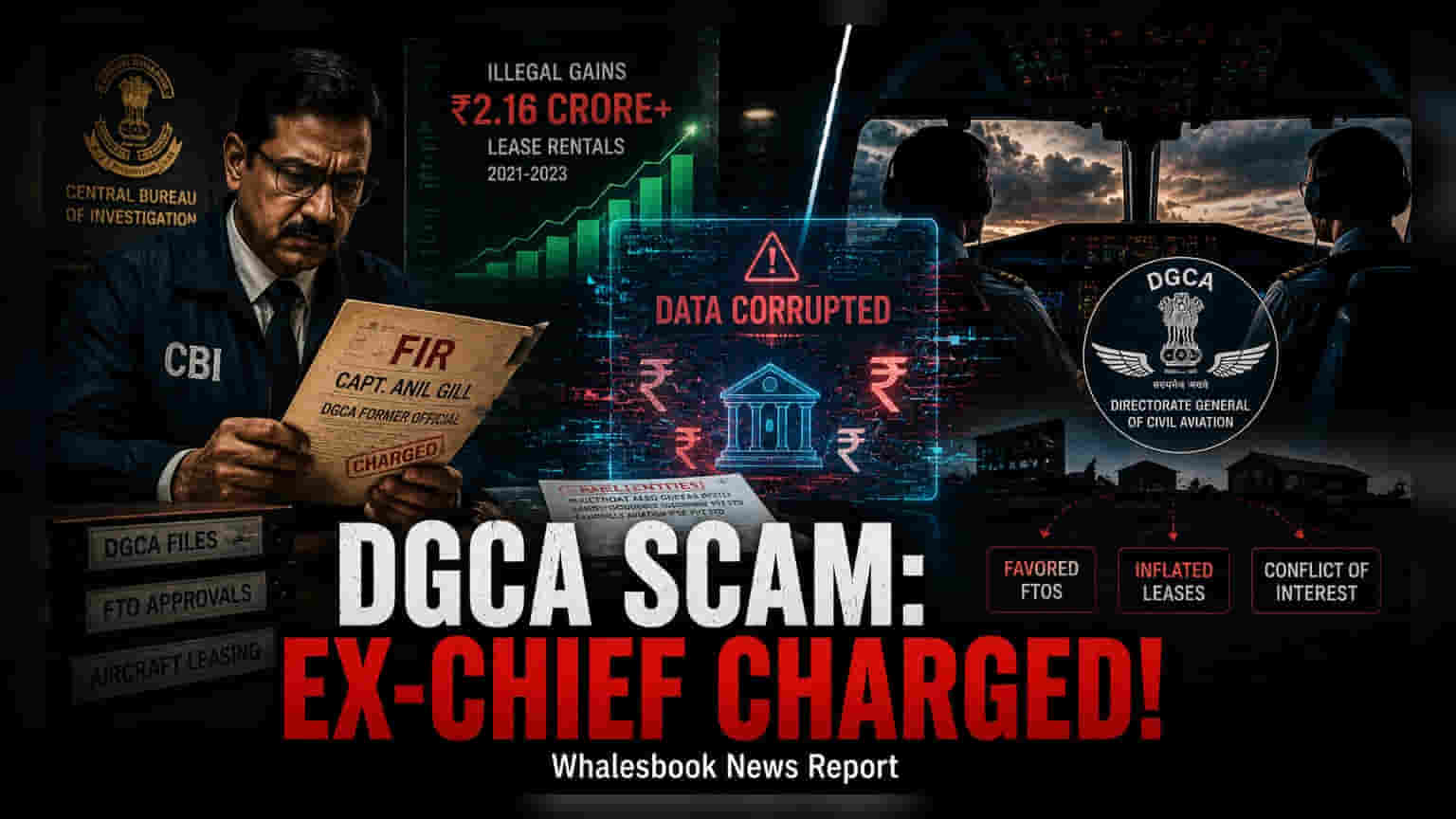
The CBI has filed a formal case against former DGCA Director Captain Anil Gill for allegedly manipulating aviation training regulations for personal gain. The investigation centers on claims that he favored specific flying schools through shell companies linked to his relatives. This development highlights potential future regulatory scrutiny on private aviation training practices in India.
The Central Bureau of Investigation (CBI) has registered a formal case against Captain Anil Gill, the former Director of Flying Training at the Directorate General of Civil Aviation (DGCA), following a prolonged investigation. The FIR, lodged on August 21, 2026, alleges that Captain Gill misused his official position to manipulate regulatory frameworks, specifically favoring certain Flying Training Organizations (FTOs) to generate personal financial benefits.
The investigation into Captain Gill’s activities follows a preliminary inquiry that began in April 2025. According to the allegations, Captain Gill facilitated the procurement of training aircraft at below-market prices through shell entities controlled by his close family members. These entities, including Bluethroat Aero Global Pvt Ltd, Sabres Corporate Solutions Pvt Ltd, and Sandhills Aviation IFSC Pvt Ltd, were allegedly used to lease these aircraft back to favored flying academies at inflated rates.
One of the central claims in the CBI investigation involves transactions with Redbird Aviation Academy Pvt Ltd. Financial findings suggest that the shell company Bluethroat Aero Global alone generated over ₹2.16 crore in lease rentals between 2021 and October 2023. The authorities allege that these transactions were facilitated by Captain Gill, who granted official approvals to these specific academies while in his role at the DGCA.
Captain Gill, who had served at the DGCA for nearly eight years, was previously suspended from his position in November 2023 following internal departmental investigations and whistle-blower complaints regarding his conduct. The current CBI case includes charges of criminal conspiracy and violations of the Prevention of Corruption Act.
For the broader aviation sector, this case underscores the importance of transparent regulatory oversight in the flying training industry. While the entities named in the FIR—including the various private aviation academies and the mentioned shell companies—are private firms and not publicly traded on major stock exchanges like the BSE or NSE, the event may draw attention to how FTOs are regulated and how aircraft leasing contracts are monitored.
Investors in the Indian aviation training space should monitor whether this case leads to stricter compliance audits or changes in how the DGCA manages approvals for new flying schools and aircraft procurement processes. The key monitorable will be any subsequent regulatory directives or policy changes from the DGCA aimed at tightening governance within the flying training ecosystem.