 Whalesbook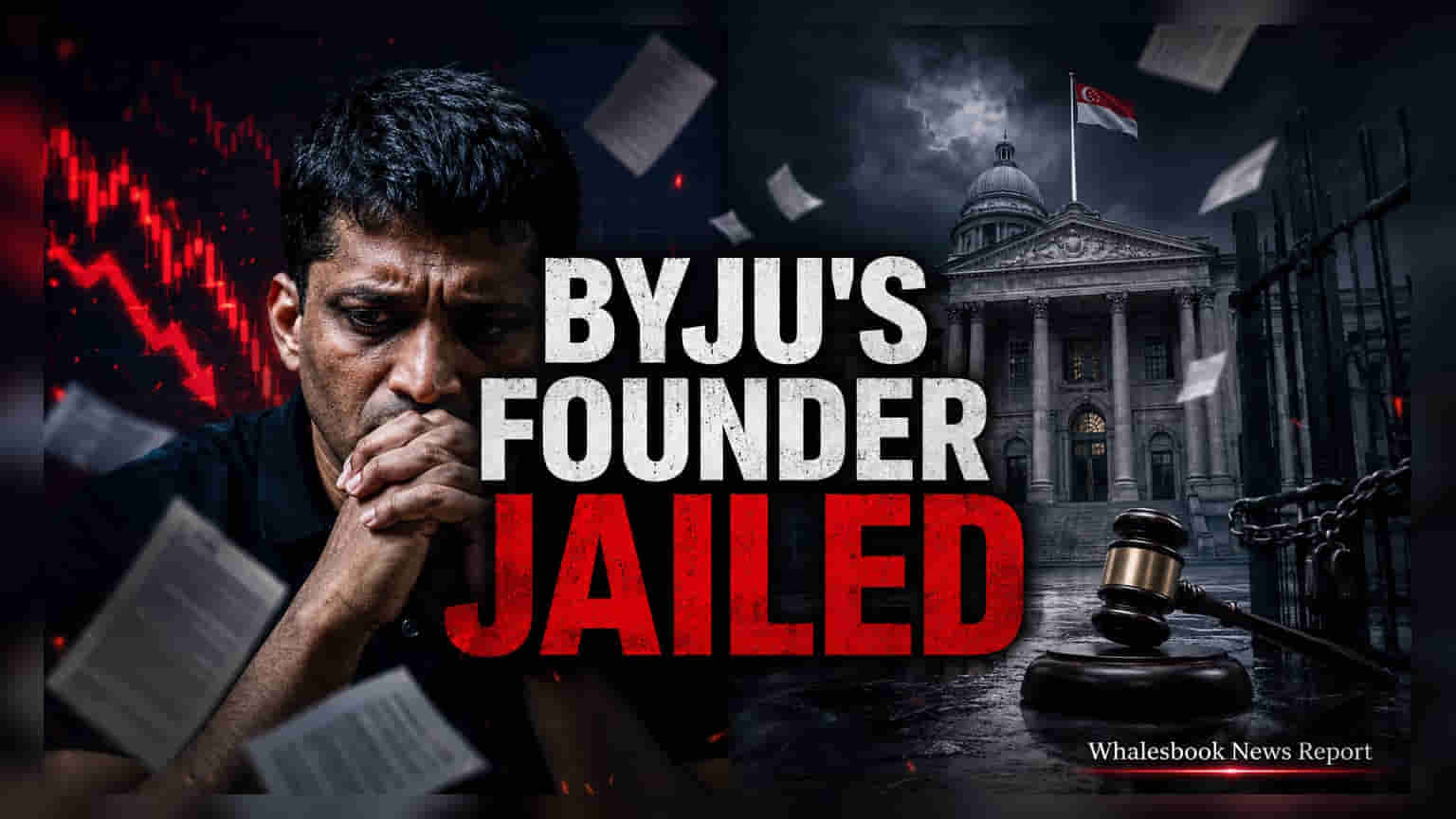


Founder Jailed for Contempt
Byju Raveendran, the founder of India's prominent edtech company Byju's, has been sentenced to six months in jail by a Singapore court for civil contempt. The judgment, issued in late May 2026, stems from his persistent failure to comply with court-ordered asset disclosures dating back to April 2024.
In addition to the jail sentence, the court ordered Raveendran to pay S$90,000 in legal costs and formally document his ownership of Beeaar Investco Pte. This entity, which held shares in a related corporate structure, has become central to international efforts to recover assets amid the collapse of the Byju's Think & Learn ecosystem.
Global Legal and Financial Fallout
The Singapore ruling is part of a larger, multi-jurisdictional solvency crisis. Raveendran has been involved in numerous legal disputes with creditors, sovereign wealth funds, and US bankruptcy proceedings. The central issue remains a $1.2 billion term loan from 2021, which has led to scrutiny over the movement of approximately $533 million in loan proceeds. Despite previous attempts by US bankruptcy courts to hold Raveendran personally liable, enforcing financial accountability across different regulatory borders remains challenging.
Governance Failures and Creditor Claims
Unlike publicly traded companies with standardized transparency, Byju's has been criticized for a lack of independent governance. The company's rapid, debt-fueled expansion faltered as interest rates rose and pandemic-driven demand subsided. While Raveendran has attributed the collapse to external macroeconomic factors and withdrawn capital during geopolitical instability in 2022, creditors argue that his non-compliance with discovery orders is a deliberate strategy to hide assets. This ongoing dispute over whether the failures were 'business mistakes' or systemic governance issues continues as lenders seek to recover value from a company that has lost its entire $22 billion valuation.
Asset Liquidation and Restructuring
As Byju's navigates insolvency proceedings in India, the focus has shifted from expansion to liquidating remaining assets. Creditors are actively pursuing subsidiaries like Aakash Educational Services, which still hold tangible market value. Raveendran's inability to satisfy international judicial demands for asset reconciliation has significantly diminished his control over the company's final restructuring, leaving a void where market dominance once stood.