

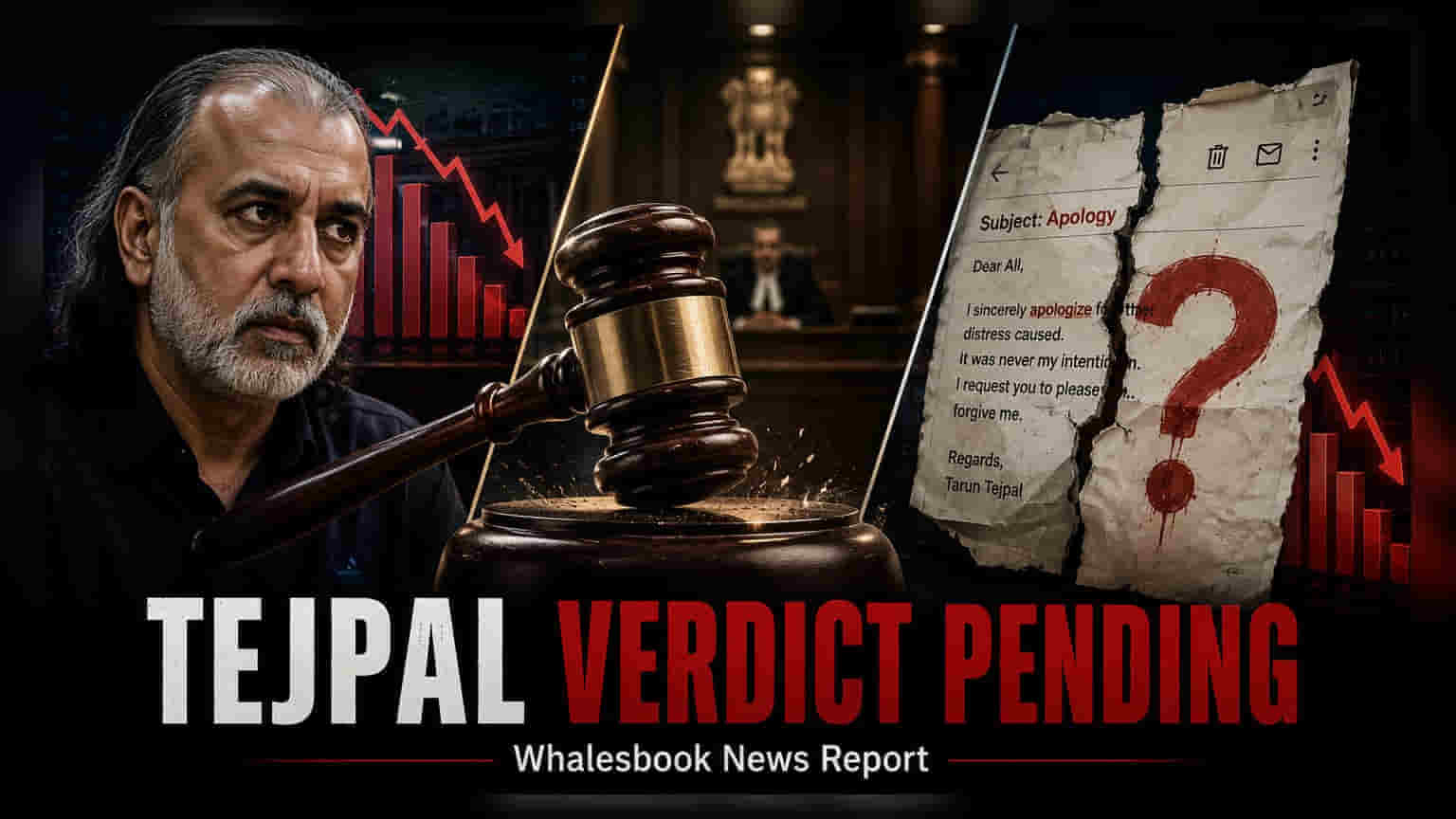
The Bombay High Court has reserved its decision on the Goa government's appeal against the 2013 acquittal of journalist Tarun Tejpal. The legal arguments centered on whether an apology email sent by the accused serves as an admission of a physical encounter. A final judgment is pending.
The Goa bench of the Bombay High Court has concluded hearings and reserved its judgment regarding the state government's challenge to the 2013 acquittal of journalist Tarun Tejpal in a high-profile sexual assault case. The bench, comprised of Justices Dr. Neela Gokhale and Amit Jamsandekar, is tasked with determining if the trial court’s initial decision to acquit requires reversal based on the evidence presented.
Legal Focus on Evidence and Conduct
The prosecution, led by Solicitor General Tushar Mehta, argued that the trial court failed to account for the varying ways in which survivors of sexual assault may respond to trauma. Mehta contended that the trial court placed undue weight on the complainant's professional conduct following the incident and focused excessively on perceived minor inconsistencies in her testimony. The prosecution maintained that the complainant's decision to report the incident to the management of Tehelka remains a critical piece of evidence that was not adequately considered by the lower court.
Interpretation of the Apology Email
A significant portion of the High Court proceedings focused on the interpretation of an email sent by Tarun Tejpal. The prosecution argued that the language used in the correspondence—specifically references to a "lapse of judgment," expressions of shame, and acknowledgment of an encounter—constitutes a clear admission that a physical episode took place. The government's legal team questioned the rationale behind such admissions if no incident had occurred as claimed by the defence.
In response, the defence, represented by senior advocate Abad Ponda, maintained that the emails were being misinterpreted by the prosecution. The defence argued that the messages referred solely to a "fleeting consensual encounter" or verbal exchanges rather than the non-consensual physical act alleged in the FIR. Ponda pointed to the testimony of prosecution witness Shoma Chaudhury to support the claim that the event described was limited in nature. The defence further argued that the complainant’s own reaction at the time did not reflect an interpretation of the email as a confession of sexual assault.
The court’s final order will determine the next steps in this long-standing legal matter. Investors and stakeholders interested in the governance and legal implications surrounding the entities involved will track the verdict for clarity on the resolution of this case.