

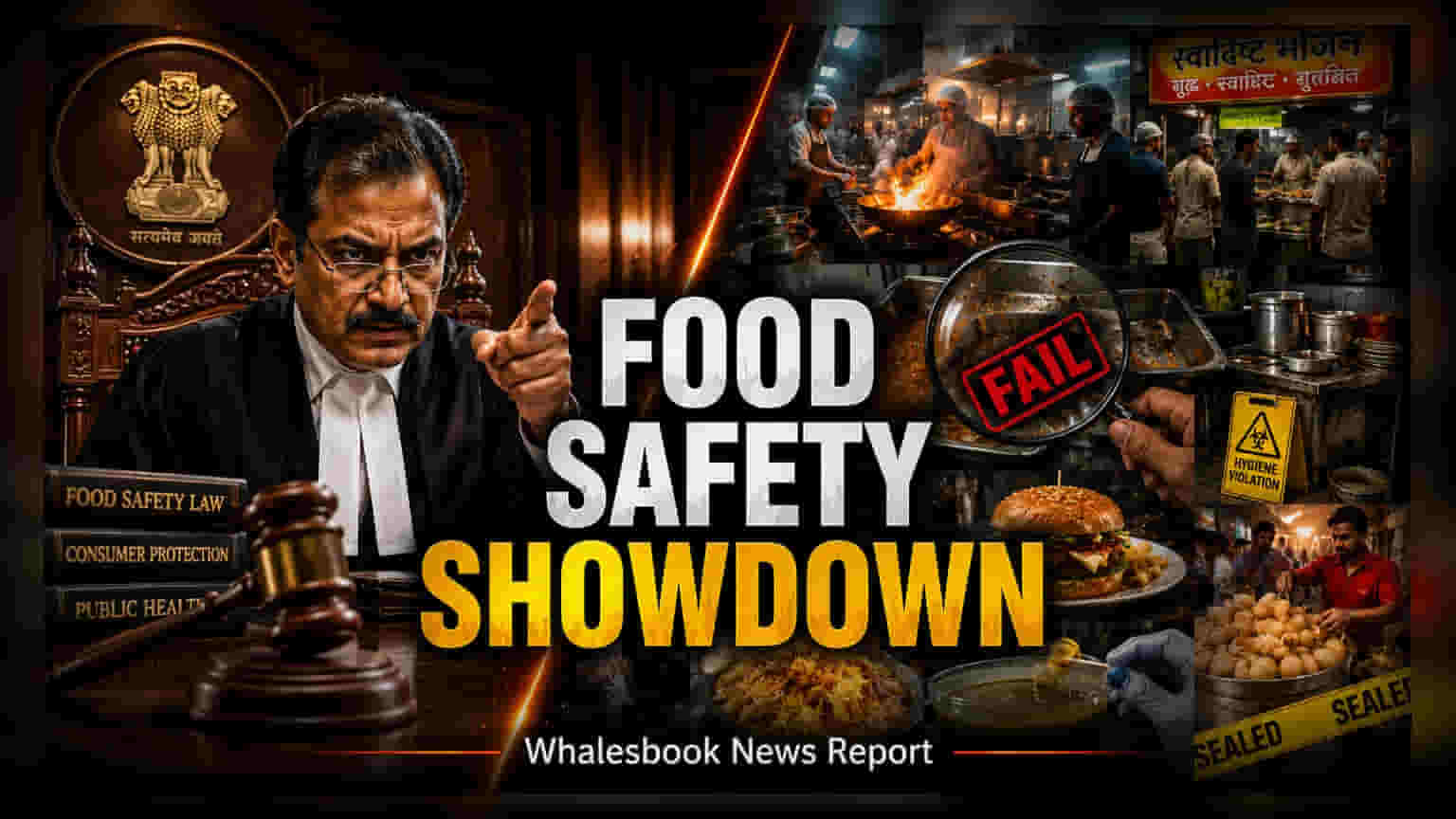
The Bombay High Court has asked the FDA to adopt a practical approach following the suspension of licenses for nearly 100 food establishments across Maharashtra. The court is reviewing whether strict penalties are justified for minor infractions during inspections. This crackdown has impacted various high-profile restaurants, hotels, and even government facility canteens, raising concerns over procedural fairness.
The Bombay High Court has directed the Food and Drug Administration (FDA) to reconsider its strict enforcement strategy after a surge in license suspensions across Maharashtra. The court's remarks arose during a legal challenge brought by the Park Inn by Radisson in Navi Mumbai, which sought to overturn the suspension of its food license following an FDA inspection.
Impact on Hospitality and Dining
The FDA's recent enforcement drive has led to the suspension of nearly 100 food licenses, affecting a wide range of businesses from large hotels to iconic local eateries. Establishments such as the Parsi Dairy Farm, K. Rustom & Co., and the Poornima restaurant have faced scrutiny, with owners and legal representatives arguing that the FDA’s approach is overly rigid. Petitioners contend that minor issues, such as a single pest sighting, are being used as grounds for immediate suspension without sufficient warnings or a clear process for rectification.
Regulatory Stance and Scope
The FDA maintains that its actions are necessary to ensure public safety and that it cannot compromise on hygiene standards. To demonstrate its commitment to uniform enforcement, the department has targeted both private businesses and government-linked facilities. This includes the suspension of the license for the Brihanmumbai Municipal Corporation (BMC) canteen and a raid on the canteen at Mantralaya, the Maharashtra state government headquarters. Even the high court's own canteen has been ordered to undergo an inspection, with a report expected by the end of the week.
Investor and Business Implications
For investors in the hospitality, quick-service restaurant (QSR), and food retail sectors, this regulatory environment creates uncertainty. A sudden license suspension can lead to immediate operational disruption, loss of revenue, and long-term damage to brand reputation. As the courts evaluate whether the FDA’s inspection procedures are fair or excessive, businesses may need to increase their spending on compliance and hygiene infrastructure to mitigate the risk of sudden shutdowns. The final outcome of these court petitions will be a critical monitorable, as it will likely define the future threshold for regulatory action against food businesses in the state. Investors may follow the court's upcoming rulings, which will clarify whether the FDA must follow more transparent or lenient procedures before moving to suspend operating licenses.