 Whalesbook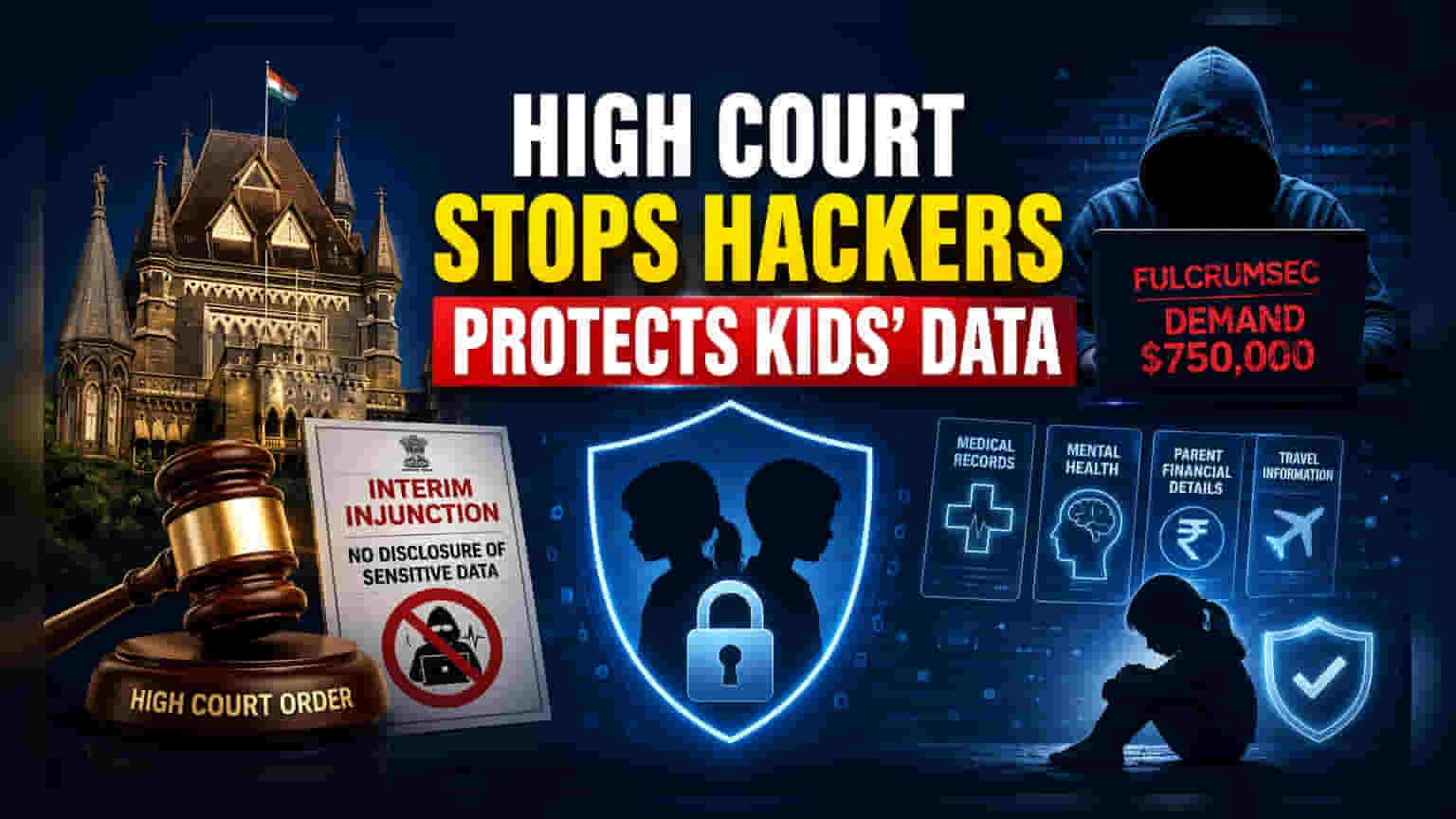
The Bombay High Court issued an interim order restraining the group 'FulcrumSec' from leaking sensitive children’s data from the Pratiksha Foundation Charitable Trust after a $750,000 ransom demand. This case highlights the critical, rising threat of cybersecurity attacks that businesses and institutions must manage to protect their operational integrity and reputation.
What Happened
The Bombay High Court has issued an interim order stopping a hacker group known as 'FulcrumSec' from disclosing sensitive personal and medical data of children. The information belonged to educational institutions managed by the Pratiksha Foundation Charitable Trust. This legal intervention follows an attempt by the group to extort $750,000 from the Trust. The hackers reportedly threatened to release the stolen records if the payment was not made. The court identified the serious risk these leaks pose to the affected children, noting that the data included information on mental health issues, travel, and financial details of parents.
Why Cyber Risk Matters to Business
While this specific case involves a charitable trust, it serves as a stark reminder of the cybersecurity risks facing all organizations today. In the modern business environment, data is a critical asset. Companies, whether they are in finance, healthcare, or retail, act as custodians of massive amounts of customer and employee information. A breach of this data is not just an IT problem; it is a fundamental business risk. When private information is compromised, the damage extends beyond the immediate operational disruption. It can lead to severe reputational loss, legal liabilities, regulatory penalties, and a long-term erosion of trust with clients and stakeholders.
The Cost of Digital Insecurity
The threat of ransomware, where hackers lock or steal data and demand payment, has become a global concern. For any entity, the costs associated with such attacks are significant. Beyond the potential ransom demands, organizations must spend heavily on forensic investigations, legal counsel, system upgrades, and customer support. There is also the 'hidden' cost of management time and focus being diverted away from core operations to deal with the crisis. For public companies, these incidents can often trigger stock volatility and investor concern regarding the strength of the organization's internal controls.
What Investors Should Track
For investors and market participants, the focus is increasingly turning toward how companies handle digital and operational resilience. When analyzing a company, particularly one that handles large volumes of consumer data, it is important to understand its commitment to cybersecurity. Investors may track several indicators of how a company manages this risk. These include the company's investments in data security infrastructure, the frequency of security audits, and the transparency of their communication if a data incident occurs. A strong track record of protecting data is often a reflection of good governance and risk management, which are key components of a sustainable, long-term business strategy. The High Court is scheduled to hear this matter again on July 1.