

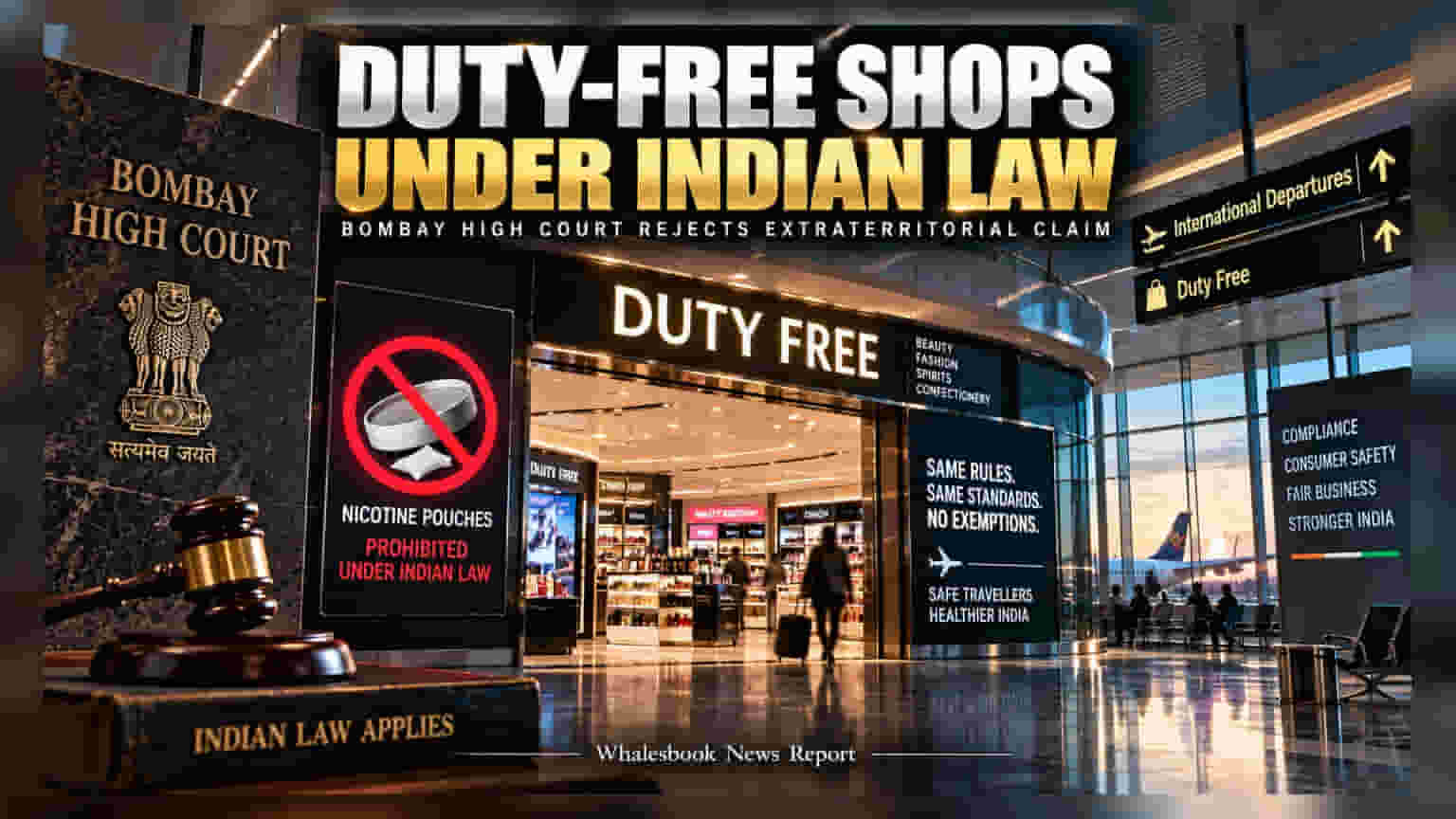
The Bombay High Court has ruled that duty-free shops at Indian airports must follow domestic laws, rejecting the Adani Group's claim of extraterritorial status. This decision blocks the sale of unapproved nicotine pouches at the group's Mumbai airport facilities. For investors, the ruling highlights regulatory risks in the company's airport retail business, a key strategy for driving non-aeronautical revenue at its various airport hubs.
The Bombay High Court has clarified that duty-free shops operating within Indian airports are not above the country's domestic legal system. The court’s decision settles a legal dispute involving the Adani Group, which manages several airports, including the Mumbai International Airport. The company had previously argued that its duty-free outlets functioned as extraterritorial entities, allowing them to bypass domestic rules regarding the sale of certain goods.
The core of the legal fight centered on the sale of nicotine pouches. Authorities in India maintained that these products were not approved for the domestic market and posed public health risks. By ruling that duty-free shops are bound by Indian laws, the court has effectively blocked the sale of these products if they do not meet local regulations. The court did not issue a final verdict on the classification of the products, but it established that the company cannot claim immunity from standard drug control oversight simply because the shops are located in international departure zones.
This development is relevant for investors tracking the Adani Group, as the conglomerate has been focusing heavily on expanding its non-aeronautical revenue. This revenue category, which includes earnings from airport retail, food and beverage outlets, and duty-free shops, is a crucial component of the financial model for airport operators. As part of its long-term growth strategy, the group has aimed to boost these income streams at the airports it manages across the country to improve overall profitability.
The court's decision provides a clear signal regarding regulatory authority. It means the company must ensure that all products sold in these high-traffic retail zones comply with the same standards that apply to shops located outside airport terminals. This could impact the product mix available in duty-free stores, especially for new or specialized products that require specific regulatory approvals.
Looking ahead, investors may monitor how this regulatory stance affects the inventory and product strategy at the group’s retail outlets. The challenge for the company will be to maintain a premium retail experience while strictly adhering to national health and safety standards. Any further regulatory scrutiny regarding the goods sold could influence the revenue potential of the retail segment in the airports under the group's management. The next steps will likely involve the company engaging with drug regulators to provide necessary documentation should it wish to pursue the sale of such products in the future.