

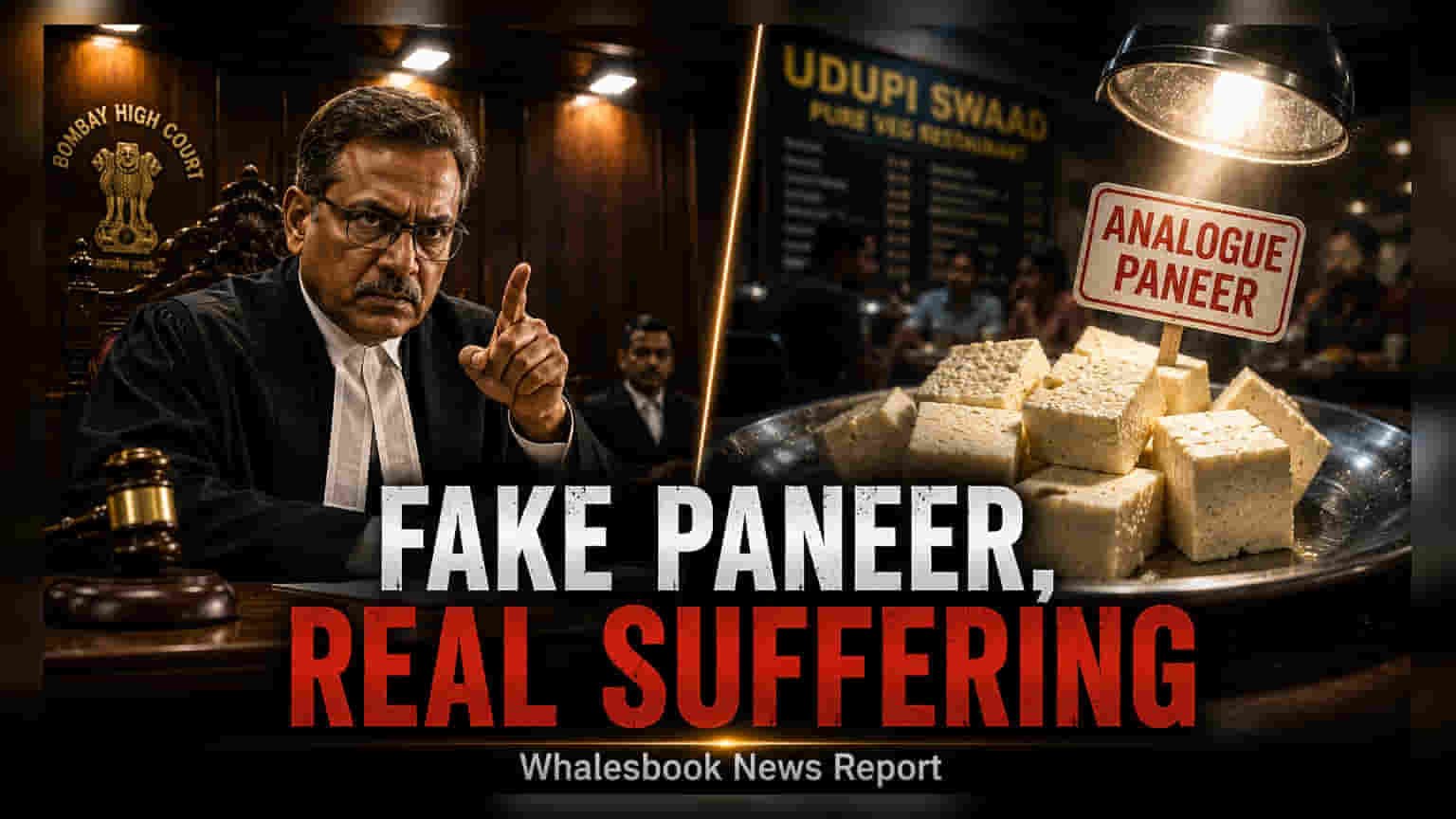
The Bombay High Court has refused urgent relief to Udupi Swaad, a Thane-based restaurant, regarding the suspension of its food licence for using analogue paneer. This order follows a strict one-year statewide ban on the non-dairy substitute imposed by the Maharashtra FDA on July 30, 2026, highlighting significant compliance risks for food businesses.
On August 21, 2026, the Bombay High Court declined to grant immediate relief to Udupi Swaad, a restaurant located in Thane, regarding the suspension of its food safety licence. The establishment had approached the court to challenge an order issued by the Maharashtra Food and Drug Administration (FDA) on August 11, which followed allegations that the restaurant was serving "analogue paneer"—a non-dairy substitute—without properly informing its customers.
The court, led by Acting Chief Justice Ravindra V. Ghuge, questioned why the restaurant failed to disclose the use of the substitute on its menu card. The bench noted that the establishment must face the consequences of its actions, describing the situation as a case of "poetic justice" given the alleged harm caused to unsuspecting consumers. This development is part of a larger regulatory crackdown across Maharashtra aimed at curbing food adulteration and deceptive trade practices.
The Maharashtra FDA implemented a statewide, one-year ban on the production, sale, and distribution of analogue paneer on July 30, 2026. The regulator has formally classified the product as unsafe when it is sold or served under the guise of genuine dairy paneer, citing health risks associated with certain ingredients like vegetable fats and starches when used without proper standards or transparency. For the food and beverage industry, this regulatory move has shifted the landscape significantly, as authorities are now strictly monitoring compliance with food labelling and quality standards.
For restaurants and food service businesses in the region, this incident underscores the severe operational and reputational risks associated with non-compliance. Beyond the immediate threat of licence revocation, establishments caught in such crackdowns face potential criminal prosecution and heavy financial penalties. Furthermore, the damage to brand reputation can have a lasting impact on footfall and revenue, making rigorous adherence to food safety norms a critical priority for management teams across the hospitality sector.
The legal matter is scheduled for further hearing on September 7, 2026. The court has directed the FDA to file its response before the next session. Investors and stakeholders in the food service industry are closely tracking this case, as it sets a clear precedent for how the judiciary and state regulators are handling transparency, consumer rights, and food safety standards in the current market environment.