 Whalesbook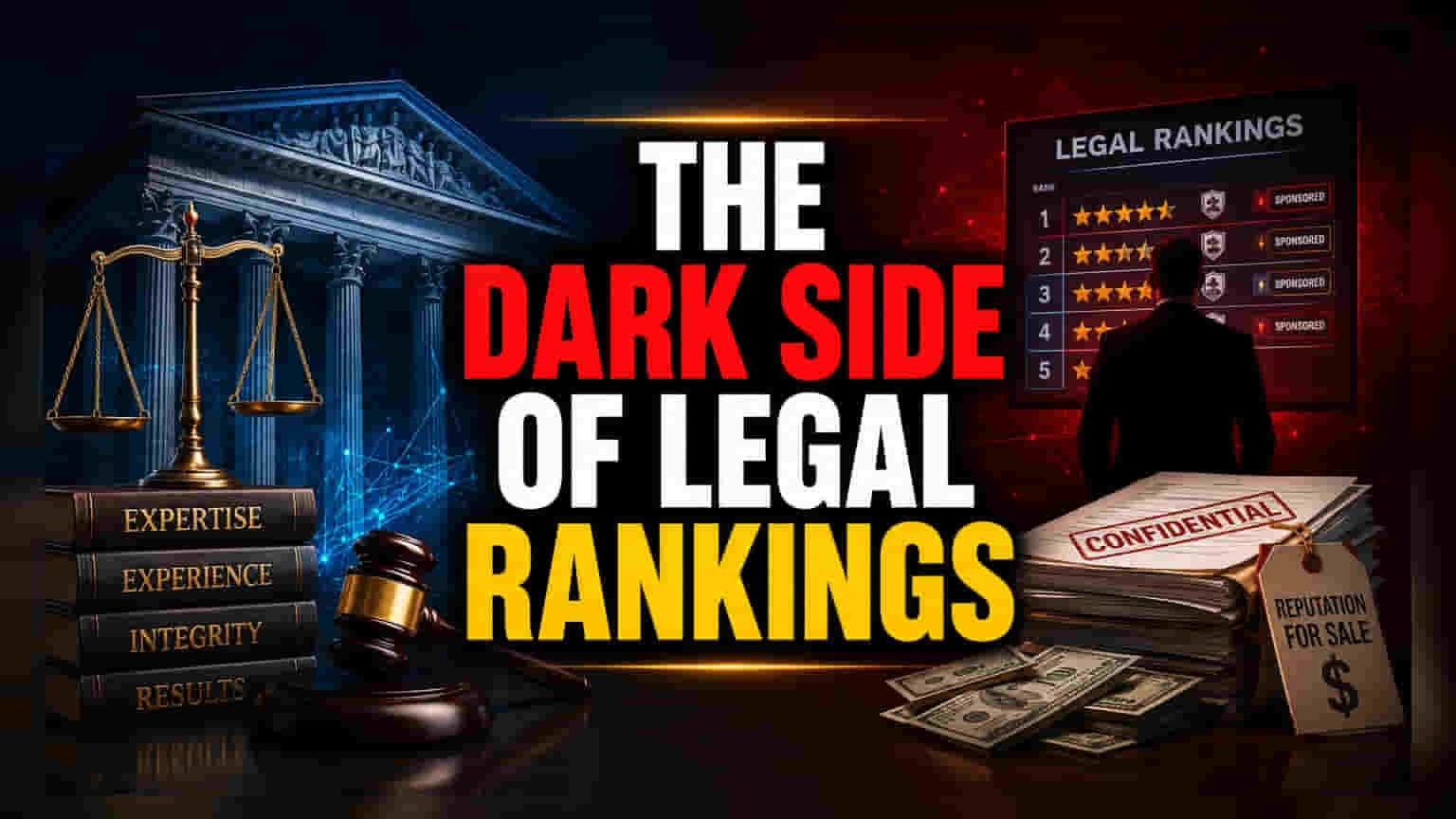


The Metrics of Mirage
The central tension identified by Landau represents a systemic breakdown in the signaling mechanisms that law firms and individual arbitrators use to attract high-value mandates. In an environment where the most critical proceedings remain shrouded in confidentiality, the industry has inadvertently filled the information vacuum with curated digital content. This creates a feedback loop where practitioners who excel at search engine optimization and platform-specific engagement metrics—rather than those with the most rigorous procedural command—capture the attention of general counsel and litigation funders. As a result, the barrier to entry has shifted from deep legal mastery to an exercise in sophisticated audience capture.
Structural Distortions in Legal Ranking
Beyond individual marketing efforts, the institutional infrastructure of legal directories serves to institutionalize this bias. The business model of many ranking entities has evolved into a two-sided market where firms pay for visibility enhancements, sponsorship, and deep-dive profile reporting. This creates a circular dependency: rankings influence law firm marketing budgets, which in turn fund the ranking organizations. Critics argue that this commodification of prestige allows firms to purchase market legitimacy. Because the performance of an arbitrator is inherently subjective and often protected by strict secrecy, these directories essentially create a proxy market for reputation that bears little resemblance to technical proficiency or case management efficiency.
The Erosion of Self-Regulation
Historically, the legal profession operated under a paradigm of reputation built through peer observation and word-of-mouth within a closed network of practitioners. The migration of this reputation-building to public, algorithmically driven platforms has stripped away the nuanced vetting that previously protected the integrity of international arbitration. By inviting the general public and marketing professionals into the evaluation process, the field has become susceptible to the same reputation management tactics found in the retail or consumer goods sectors. This transition is not merely cosmetic; it changes the incentive structure for younger practitioners, who now find that a robust LinkedIn presence is as vital to their career progression as their written submissions or courtroom performance.
The Institutional Risk Factor
The long-term risk here is a loss of institutional legitimacy. If the international arbitration community cannot distinguish between superior legal minds and superior marketers, the credibility of the entire dispute resolution apparatus weakens. This is particularly dangerous for firms that rely on the perception of objectivity to secure court enforcement of awards. Should the perception take hold that these lists and rankings are 'pay-to-play,' the industry may face renewed pressure from regulators to implement stricter ethical guidelines regarding professional advertising and directory participation. Law firms currently investing heavily in 'reputation management' teams may soon find themselves on the wrong side of a regulatory pivot toward forced transparency in marketing spend and ranking methodologies.