

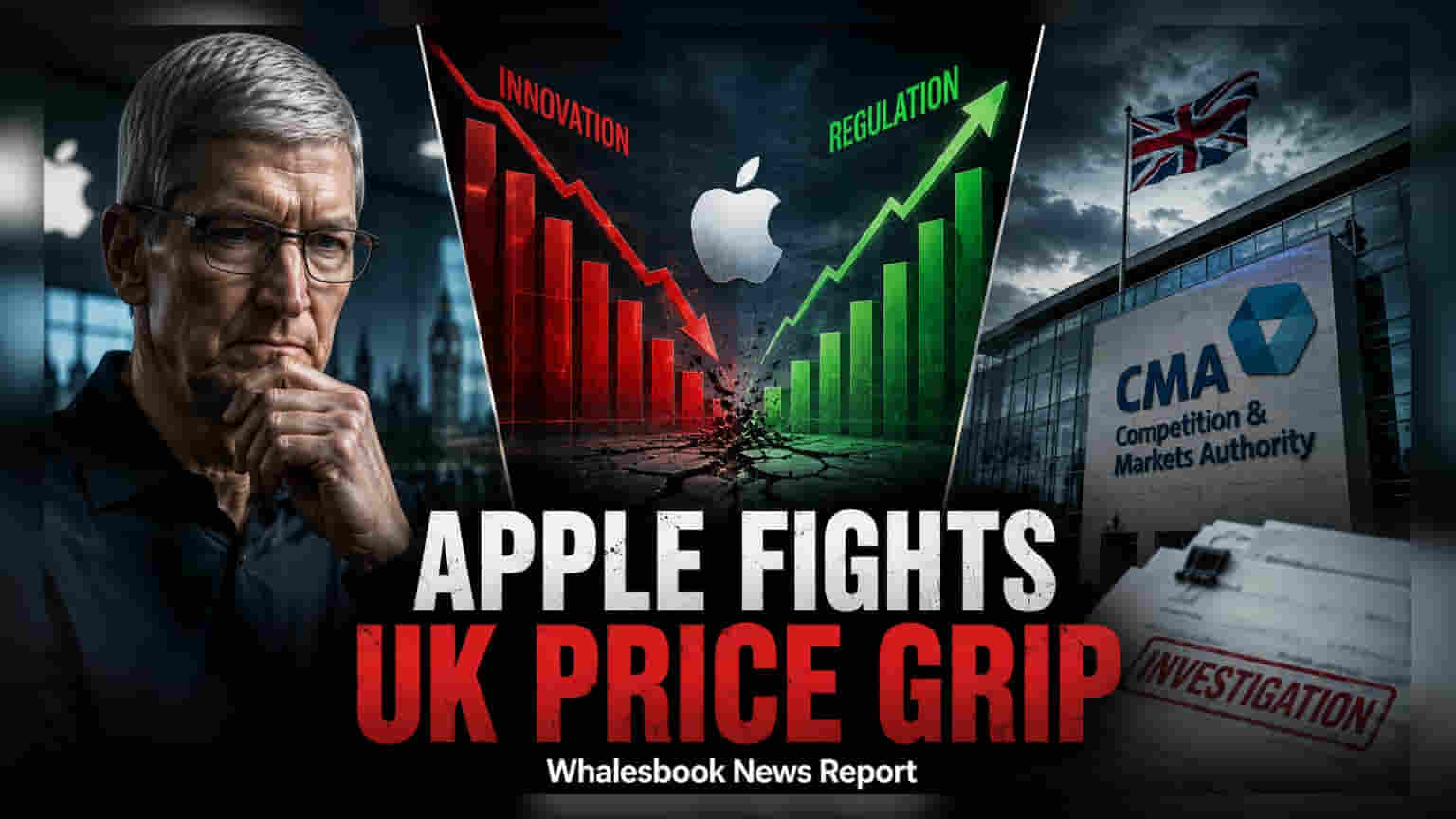
Apple has challenged new UK regulatory proposals that would allow developers to steer users toward outside payment methods. The company argues these rules act as price controls and infringe on its business model, while regulators aim to increase competition for app store services.
Apple has officially opposed a set of regulatory requirements proposed by the United Kingdom’s Competition and Markets Authority (CMA). The proposed rules are designed to force major tech platforms to permit app developers to direct users to alternative payment systems outside of the official App Store. Apple contends that these measures are not just competition-focused but effectively act as price regulation, which it believes lies outside the regulator's appropriate scope.
Impact on Business Operations and Oversight
In a submission to the CMA, Apple stated that the new mandates would grant the regulator an overly intrusive role in how it manages its services. The tech giant emphasized the scale of its platform, noting that it facilitated over £46.5 billion in billings and sales in the UK during 2025. According to company data, commissions charged on these transactions accounted for less than 3.5% of the total volume. Apple claims there is no verified evidence that changing its current payment structure would lead to lower costs for the end consumer.
The regulatory pressure stems from Britain's recent digital markets regime. Under this framework, companies deemed to have strategic market status—a category that currently includes both Apple and Google—are subject to higher levels of scrutiny. The CMA is attempting to use this authority to ensure that any fees charged for external payment steering remain fair and reasonable, aiming to reduce the control these platforms exert over the software ecosystem.
Diverging Views on Market Fairness
The disagreement highlights a sharp divide between the tech giant and industry advocacy groups. The Coalition for App Fairness, which supports the regulatory changes, argues that Apple’s platform practices create significant barriers for developers. They contend that the company uses its position as a gatekeeper to maintain unfair competitive advantages, a charge that Apple continues to resist by framing the regulation as an overreach into private commercial pricing.
For investors, the outcome of this dispute is significant as it sets a precedent for how global regulators might handle digital gatekeepers. Future developments will depend on the CMA's final ruling and whether Apple decides to pursue further legal appeals if the regulations are enforced. Investors should monitor how these potential changes to payment policies might impact Apple’s service revenue and operating margins in the UK market over the coming years.