

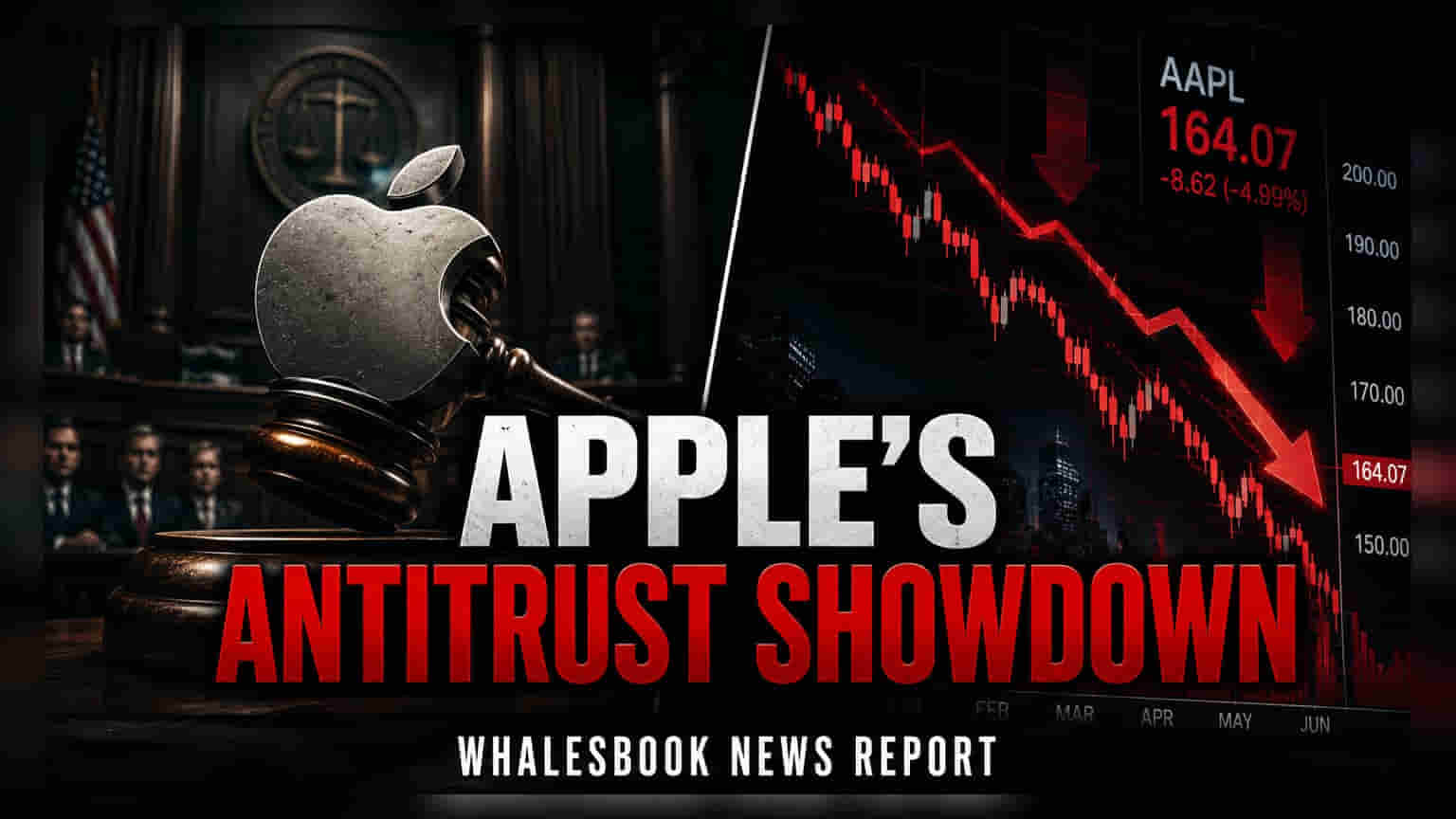
Apple is reportedly in preliminary discussions with the U.S. Department of Justice to resolve a 2024 antitrust lawsuit. This legal challenge claims the tech giant used its smartphone market position to restrict competition through its ecosystem policies. Investors may track these talks, as a settlement could force significant changes to the company's app store and developer fee models.
Apple Inc. has reportedly begun preliminary talks with the U.S. Department of Justice to potentially settle a major antitrust lawsuit filed in 2024. The original legal action accuses the company of maintaining an illegal monopoly in the smartphone market by implementing restrictive practices within its iPhone ecosystem.
Core Allegations and Business Impact
The government's case centers on claims that Apple uses its market dominance to limit competition. Key areas of concern include its App Store policies, the fees charged to software developers, and limitations placed on third-party services. These restrictions have been a point of contention for years, with critics arguing they prevent competitors from offering better or cheaper alternatives to iPhone users. For investors, the significance lies in the company’s business model. A settlement could require Apple to fundamentally alter how it manages its services division, which has become a vital contributor to its revenue and profit margins in recent years.
Why a Settlement Matters
Legal battles of this nature can take years to resolve and often lead to high costs and uncertainty for shareholders. By engaging in early settlement discussions, Apple may be looking to avoid a long, expensive court trial that could result in stricter court-mandated penalties. However, settlement terms typically involve compromises. These could include opening up parts of the iPhone ecosystem to third-party developers or changing how the company monetizes its platform. Any change to these practices could directly affect the recurring income Apple generates from its services business.
Sector Context and Next Steps
This case is part of a broader regulatory movement targeting major technology companies for their market practices in the United States and abroad. Similar legal challenges have also been seen in the European Union, where the Digital Markets Act has already forced changes to how companies like Apple operate. Investors should monitor future official filings and company announcements for clarity on whether these discussions lead to a formal agreement or if the litigation will continue in court. The outcome will likely serve as a benchmark for how other technology companies navigate increasing regulatory scrutiny regarding their platform policies and competition standards.