

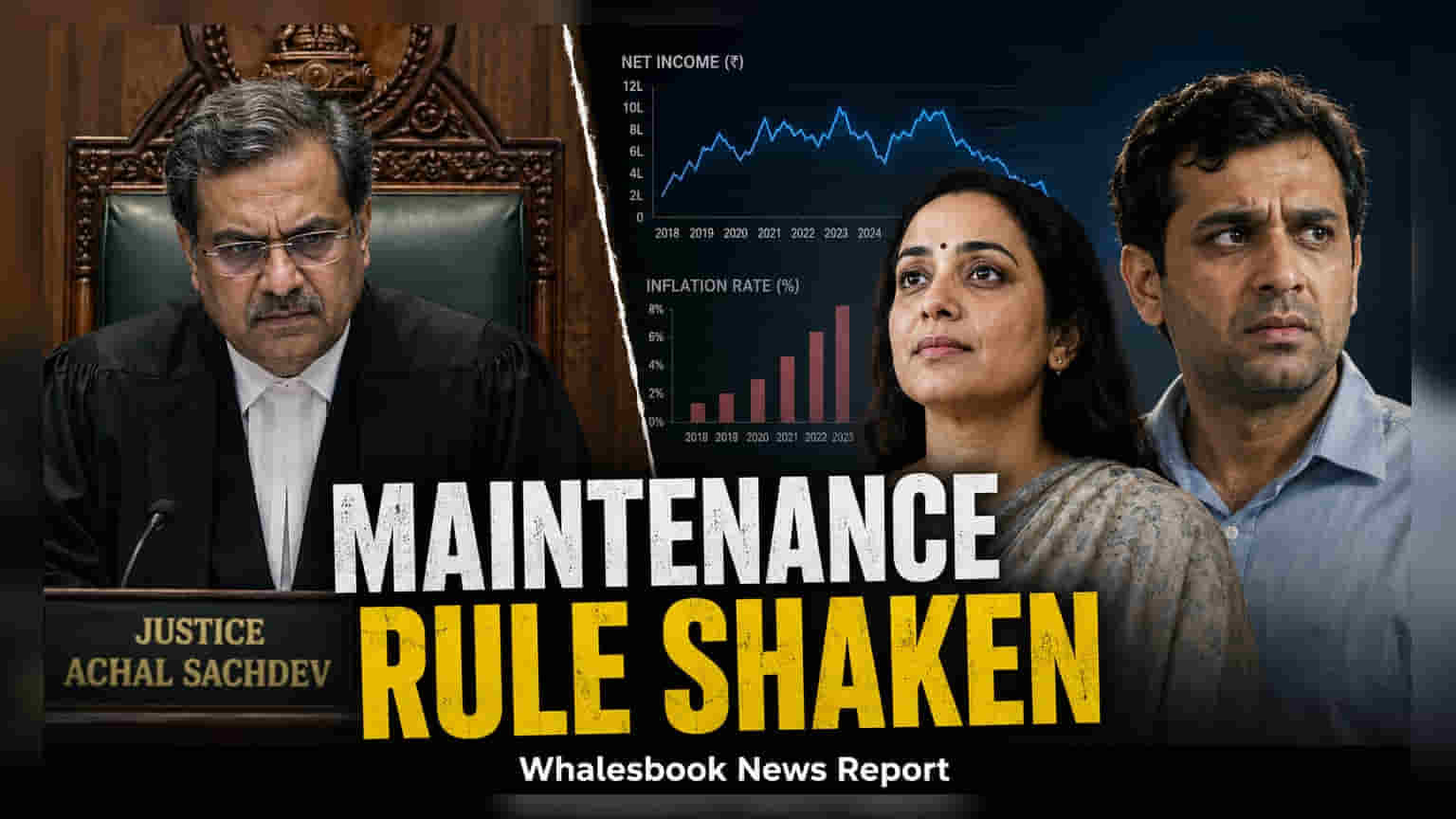
The Allahabad High Court has clarified that fixing spousal maintenance at 25% of a husband's net income is a guideline rather than a strict legal mandate. Courts can now exercise greater discretion to adjust payments based on individual circumstances, such as inflation and actual financial needs, ensuring maintenance reflects a life of dignity rather than just survival.
The Allahabad High Court has issued a significant clarification regarding spousal maintenance, emphasizing that the widely referenced 25% of a husband's net income is not a rigid rule. In a recent order, the court observed that judicial discretion remains paramount, allowing family courts to award higher or lower maintenance amounts based on the specific facts and requirements of each case.
This legal clarification aims to ensure that maintenance awards are practical and fair. The court explicitly defined net income as the actual earnings remaining after mandatory deductions and taxes, rather than gross salary. This distinction is vital for accurate financial assessment, as it prevents the use of inflated salary figures that do not reflect the actual funds available to the payer.
Impact on Maintenance Disputes
The ruling reinforces that a divorce decree does not automatically cancel a former spouse's right to claim financial support. As long as the wife remains unmarried, is not engaged in adultery, and lacks the means to support herself independently, she remains eligible for maintenance. The court highlighted that the primary objective of these payments is to enable the recipient to maintain a life of dignity, aligning with the intent of matrimonial laws.
Case Specifics and Financial Assessment
The court’s observation came during a dispute where a woman challenged her existing monthly maintenance of ₹12,000. Upon reviewing the case, the High Court identified flaws in the family court’s initial assessment, noting that it had failed to adequately account for inflation and the actual financial situation of the parties.
Furthermore, the husband had failed to submit a mandatory affidavit disclosing his assets and liabilities, a critical procedural requirement. Records indicated that while his gross salary was ₹86,674, his actual monthly credit post-deductions stood at ₹67,043. Consequently, the High Court adjusted the monthly maintenance to ₹20,000, payable from the date the original application was filed.
This decision serves as a reminder for litigants regarding the importance of transparent financial disclosure. For future cases, legal experts and those involved in matrimonial litigation should track how family courts implement this discretion, particularly in how they balance cost-of-living adjustments with the payer's verifiable net take-home income.